- English
- French
- German
- Portuguese
- Spanish
- Russian
- Japanese
- Korean
- Arabic
- Greek
- German
- Turkish
- Italian
- Danish
- Romanian
- Indonesian
- Czech
- Afrikaans
- Swedish
- Polish
- Basque
- Catalan
- Esperanto
- Hindi
- Lao
- Albanian
- Amharic
- Armenian
- Azerbaijani
- Belarusian
- Bengali
- Bosnian
- Bulgarian
- Cebuano
- Chichewa
- Corsican
- Croatian
- Dutch
- Estonian
- Filipino
- Finnish
- Frisian
- Galician
- Georgian
- Gujarati
- Haitian
- Hausa
- Hawaiian
- Hebrew
- Hmong
- Hungarian
- Icelandic
- Igbo
- Javanese
- Kannada
- Kazakh
- Khmer
- Kurdish
- Kyrgyz
- Latin
- Latvian
- Lithuanian
- Luxembou..
- Macedonian
- Malagasy
- Malay
- Malayalam
- Maltese
- Maori
- Marathi
- Mongolian
- Burmese
- Nepali
- Norwegian
- Pashto
- Persian
- Punjabi
- Serbian
- Sesotho
- Sinhala
- Slovak
- Slovenian
- Somali
- Samoan
- Scots Gaelic
- Shona
- Sindhi
- Sundanese
- Swahili
- Tajik
- Tamil
- Telugu
- Thai
- Ukrainian
- Urdu
- Uzbek
- Vietnamese
- Welsh
- Xhosa
- Yiddish
- Yoruba
- Zulu

Spout pouch packaging represents a revolutionary flexible packaging format combining a high-barrier laminated pouch with an integrated rigid thermoplastic spout designed for controlled dispensing. This innovative solution addresses critical industry pain points including high logistics costs, significant carbon footprints, and product waste—enabling consumers to evacuate up to 99% of contents. Understanding how spout pouches deliver convenience, protection, and sustainability helps procurement professionals make informed packaging decisions that streamline operations and improve supply chain efficiency.
Understanding Spout Pouch Packaging: Definition and Benefits
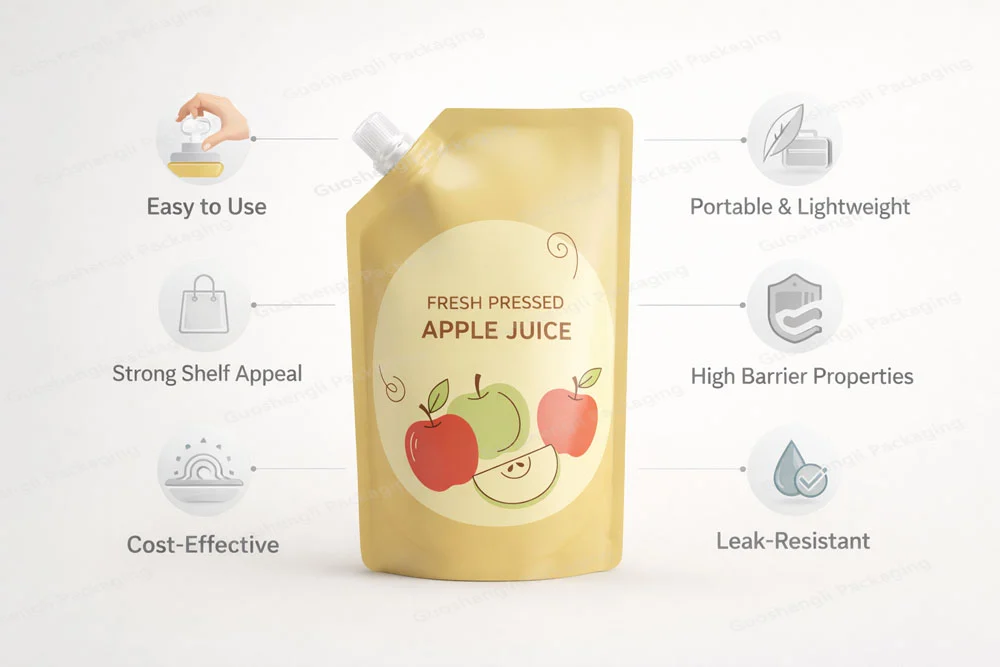
What Defines Flexible Pouches with Spouts
The structure is made up of several layers of films, such as PET, PA (Nylon), AL (Aluminum foil), and PE (Polyethylene), which are designed to meet certain barrier needs. Ultra-low Oxygen Transmission Rates (OTR) and Water Vapor Transmission Rates (WVTR) are achieved by these materials, which keep the integrity of the product during distribution. The built-in spout lets users precisely pour, giving them full control over dispensing purees, liquids, and semi-liquids without any mess or waste.
Stand-up structures stay straight on store shelves, making them easier to see and giving the goods a better look. This self-supporting design naturally brings in buyers and makes the best use of shelf space, which is a huge plus in today's competitive retail markets.
Core Benefits for B2B Procurement Teams
Flexible pouches with spouts improve processes in measured ways. Unfilled pouches take up 90% less warehouse space than rigid containers, which saves money on storage and makes it easier to keep track of inventory. Even when they are full, they are still very light, which cuts down on transportation costs and carbon emissions by a large amount.
The clear window panel helps buyers trust the store by letting them quickly see the quality of the goods and how much is left. This clarity makes people more likely to buy, and the resealable spout keeps the contents fresh longer by reducing the amount of air that gets to them. When people use a product, the bags get smaller, which keeps the flavors better than standard containers and lowers oxidation.
High-barrier laminated construction keeps granular goods like salt and seasonings from getting clumpy and keeps the quality of the goods all the way through the supply chain. These protective qualities lower the number of spoilage and customer complaints, which is good for the brand's image.
Sustainability Gains Through Material Efficiency
Using flexible bags instead of hard bottles greatly lowers the carbon footprint of packaging. Less weight means less pollution from transportation. When people use less material, they also use fewer resources. People can now find structures made of only one material (All-PE) that can be recycled through municipal recycling systems and still have great barrier properties thanks to EVOH coatings.
This lets brands tell customers who care about the earth a real story about sustainability. The packaging always does its job and supports company social responsibility efforts, which is a strong mix in today's market.
Types and Materials of Spout Pouch Packaging
Stand-Up Versus Flat Pouch Configurations
Stand-up bags have a base that supports itself, so they can stay standing on shelves without any extra help. This model works really well in stores where having products on display drives sales for spout pouch packaging. The structure works well with both liquid and semi-liquid substances, which makes it perfect for sauces, drinks, and condiments.
Flat bags are cheaper for goods that don't need to stand out on the shelf or that are sold through outlets other than stores. Four-side sealed forms make the structure stronger for products that will be handled roughly while being shipped.
Spout Diameter and Viscosity Matching
Spouts usually have widths between 8.5 mm for drinks and 33 mm for thick sauces or dry powders. Choosing the right width based on the viscosity of the product guarantees smooth pouring without clogging. Thin liquids can easily flow through small holes, but thicker products need wider spouts to make pouring easier.
Die-cutting the corners to be round and using certain head-to-tail packing arrangements lower the risk of friction and punctures during shipping. These technical details keep spouts from going through shipping carton bags next to each other, which is a common issue that causes customers to be unhappy and products to be lost.
Material Layers and Barrier Technologies
Food-grade plastics like PE, PET, and PA are used to make structures with many layers that keep oxygen and moisture out. Each layer does a specific job: PET gives the package structure and makes it easy to print on, PA protects against punctures, aluminum foil provides the best barrier protection, and PE makes sure the heat seal stays strong.
The inner layers of bags are made of RCPP (Retort Cast Polypropylene), which lets them handle filling temperatures between 85°C and 95°C and even retort cleaning at 121°C. Because it is thermally stable, hot-filling methods can be used to make food and drinks last longer without having to be refrigerated, which is important for many uses.
Customization Options for Brand Differentiation
Up to 11-color rotogravure printing is possible, which makes bright images that stand out on busy shelves. With full-surface printing, pouches become powerful branding tools that show off quality and set products apart from competitors.
Design elements like caps that can be resealed, holes for hanging, and carefully placed clear views make the product more useful. These features improve the user experience and offer useful benefits that people enjoy every day.
Comparing Spout Pouch Packaging with Other Packaging Solutions
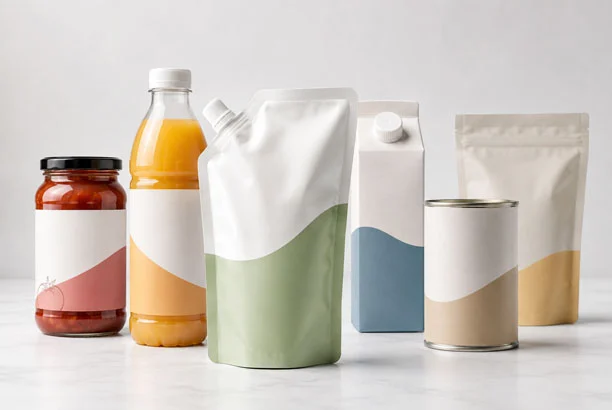
Weight and Transport Efficiency Analysis
Traditional stiff bottles and glass cases add costs to shipping that aren't necessary. Shipping costs go up a lot because of their size and weight. Flexible bags are a beautiful way to solve this problem because they dramatically reduce weight and make the best use of space.
Depending on the type of product and the distance it has to be shipped, moving to flexible formats can cut shipping costs by 40 to 60%. These savings add up along supply chains, which boosts profits while lowering damage to the environment.
Cost-Benefit and ROI Considerations
The initial costs of making bag molds are usually less than those of making bottle molds. Modern converting equipment can produce at speeds that are the same as or faster than bottle filling lines. This keeps throughput high while lowering the cost of packaging each unit.
Long-term savings come from fewer damaged products during shipping, lower storage costs, and lower costs for getting rid of them. When brands switch from rigid to flexible forms, they report ROI times of 12 to 18 months. These are good payback periods that justify capital investment.
Environmental Impact Comparison
Lifecycle studies show that during the production, shipping, and disposal stages, flexible pouches produce 50–70% less carbon emissions than similar hard packaging. Consumption of materials drops a lot, which saves oil and cuts down on trash in landfills.
Consumers are becoming more and more interested in brands that care about the environment. Flexible packaging shows a commitment to sustainability in a way that people can see and understand, which helps with marketing efforts.
Procurement Considerations for Spout Pouch Packaging
Supplier Credentials and Certifications
When choosing makers for spout pouch packaging, you need to carefully look at their quality processes and compliance paperwork. Getting ISO 9001 approval shows that you follow set quality management procedures. BRC (Brand Reputation through Compliance) certification is very important for consumer packaged goods because it makes sure they meet food safety standards.
FDA compliance makes sure that products meet the rules for food interactions in the US market. EU regulations add to the duties that responsible suppliers already have when it comes to choosing the right materials and following the right testing procedures. Third-party testing by SGS makes sure that the product's safety and specs are checked by a third party.
Guoshengli Packaging has all of these licenses and has been making things for 25 years. Every order comes with one of our thorough testing results, which gives buying teams the proof they need to follow the rules and gives them peace of mind.
OEM Capabilities and Supply Chain Logistics
How well providers can meet rising demand depends on how much they can produce. Look for companies that have more than one printing line, laminating machine, or converting machine. This infrastructure shows that the company can efficiently handle both small batch runs and high volumes of production.
Lead times are very different between providers. Digital printing usually gets finished products to customers in 7–10 days, while rotogravure printing takes 15–20 days. Knowing these dates helps buying teams plan their goods so that they don't run out of products during product launches or busy times of the year.
Minimum order numbers, or MOQs, affect both cash flow and the cost of keeping goods on hand. Flexible MOQ policies let brands try out new products without having to spend a lot of money right away. They can also quickly expand if the market responds well.
Negotiating Bulk Pricing Structures
Making a volume commitment can get you better prices, but procurement teams need to weigh the cost savings against the risk of running out of stock. By setting up framework deals with regular releases, you can protect prices while still being able to change numbers based on demand.
The choices for transportation have a big effect on the total landing cost. Delivery by air takes four to five days, but the freight rates are higher. Ocean freight has much lower per-unit costs but takes 25–35 days longer to get from one place to another. Total supply chain costs can be kept as low as possible by choosing the right shipping methods based on needs and budget.
Maximizing the Impact of Spout Pouch Packaging in Your Supply Chain
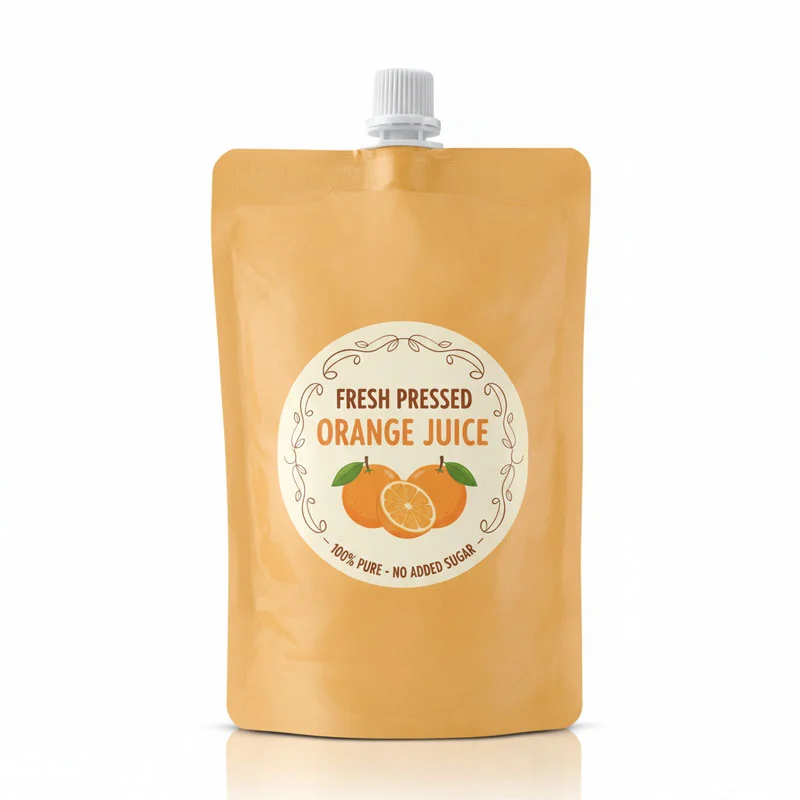
Barrier Properties and Shelf Life Extension
Advanced barrier technologies keep food fresh longer by stopping oxygen and moisture from getting in. These safe qualities lower the number of products that go bad, the number of recalls, and the number of customer complaints. All of these things have a direct effect on the brand's profits and image.
ASTM D3078 vacuum leaking testing checks the quality of the seal before shipping. Burst pressure testing shows how much weight bags can hold before they burst during palletization. These quality control steps make sure that the package works well in real-life shipping situations.
Consumer Engagement Through Design Elements
Features that are easy for customers to use make them happier and more likely to buy again. Precision pour spouts keep spills from happening, which makes things easier for users. When you open a package, resealable caps keep it fresh between uses, which extends the shelf life. Transparent windows let you check the quality of the product, which builds trust at the point of sale.
These design elements directly lead to more loyal customers who stick with the brand. People remember packaging that makes their lives easier, which makes them feel good and affects their future buying choices across all product categories.
Integration with Sustainability Initiatives
Environmental improvements that can be measured give corporate responsibility programs more credibility. Sustainability reports can show that switching to flexible packaging leads to measurable drops in carbon emissions, material use, and waste production.
Lifecycle studies compare the environmental effects of different types of packaging, giving information that helps make smart decisions. Brands can let customers know about these changes through on-pack messaging, website content, and marketing efforts. This way, they can set themselves apart from rivals and appeal to eco-friendly customers.
Mono-material structures make recycling easier because they don't need to separate materials in a complicated way. As recycling infrastructure in cities gets better, these forms become more practical options that keep products safe while allowing end-of-life recovery.
Conclusion
Modern food and drink brands care about convenience, protection, and sustainability, and flexible packaging with built-in spouts like spout pouch packaging offers strong benefits in all three areas. Logistics costs go down, shelf life increases, and product value goes up, all of which help procurement teams in measured ways. Material improvements make it possible to be environmentally friendly without sacrificing the quality of the product. Implementation will go smoothly if you choose qualified suppliers with the right certifications, production capacity, and quick service. When purchasing managers know about technical specs, barrier standards, and customization options, they can make smart choices that improve supply chains and help businesses grow in the long run. The change from rigid to flexible formats is a strategic chance for brands that want to be the best at what they do and lead the market.
FAQ
1. What food and beverage products work best with spouted pouches?
This style works best for liquid and almost-liquid goods. It works really well for juices, sauces, condiments, baby food purees, energy gels, broths, oils, and salad dressings. Granular foods like table salt, sea salt, and specialty seasonings can also be used as long as they are kept safe from moisture. Precision pour spouts are especially helpful for products that need to be dispensed in a controlled way because they remove waste and make the user experience better.
2. How do spouted pouches extend shelf life compared to traditional packaging?
Multi-layer barrier films stop the flow of oxygen and moisture, which break down products. Ultra-low OTR and WVTR numbers keep food fresh for a lot longer than single-layer materials. The reusable spout keeps the food from oxidizing after it's been opened. This keeps the taste and nutritional value. These defensive qualities lower the rate of spoilage and increase the useful shelf life, both before and after the first use.
3. What customization options allow brand differentiation?
Graphics that stand out are made possible by full-surface printing in up to 11 colors. Strategically placed clear windows show off the quality of the product. Different viscosities can be handled by spouts with widths ranging from 8.5 mm to 33 mm. Different features like resealable caps, hanging holes, and matte or shiny finishes make the products more useful and appealing. When you combine these options, you can make unique packaging that shows off your brand's values and gives customers useful benefits they like.
Partner with Guoshengli Packaging for Superior Spout Pouch Solutions
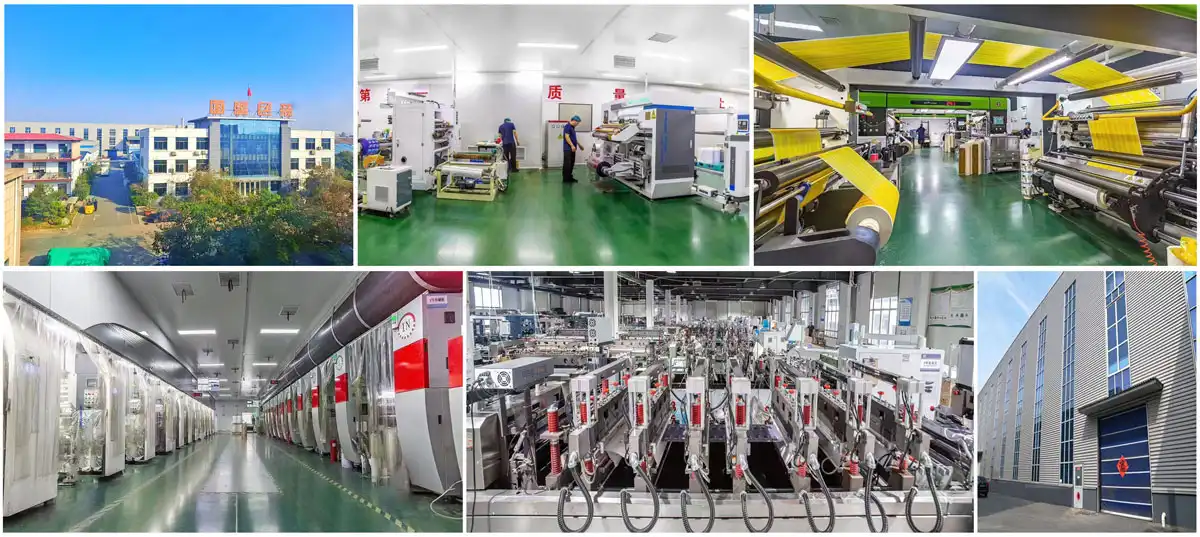
Picking the correct spout pouch packaging maker has a direct effect on how well the product works, how well the supply chain works, and how well the product does in the market. Guoshengli Packaging has been working with flexible packaging for 25 years and has 7 printing lines, 6 sealing machines, and 49 turning machines that all do the same high-quality work at large scale. Our ISO 9001, BRC, FDA, and SGS certifications make sure that we follow international food safety standards. Our All-PE mono-material options make it possible to recycle without sacrificing barrier protection. With our production capacity, we can meet tight deadlines for both digital printing (7–10 days) and rotogravure printing (15–20 days). We provide custom solutions for food brands, beverage companies, supplement makers, and pet food makers in North America, Europe, and the Asia-Pacific region. These solutions are made to fit your filling equipment, product features, and target markets. You can talk to our team at sales@guoshengpacking.com about your needs and ask for samples that show how precise engineering and quick service can make packaging that you don't have to worry about.
References
1. Robertson, G.L. (2016). Food Packaging: Principles and Practice. CRC Press, Boca Raton, Florida.
2. Marsh, K. & Bugusu, B. (2007). "Food Packaging—Roles, Materials, and Environmental Issues." Journal of Food Science, 72(3), R39-R55.
3. Selke, S.E., Culter, J.D., & Hernandez, R.J. (2004). Plastics Packaging: Properties, Processing, Applications, and Regulations. Hanser Publishers, Munich.
4. Coles, R., McDowell, D., & Kirwan, M.J. (2003). Food Packaging Technology. Blackwell Publishing, Oxford.
5. Yam, K.L. (2009). The Wiley Encyclopedia of Packaging Technology. John Wiley & Sons, Hoboken, New Jersey.
6. Emblem, A. & Emblem, H. (2012). Packaging Technology: Fundamentals, Materials and Processes. Woodhead Publishing, Cambridge.