- English
- French
- German
- Portuguese
- Spanish
- Russian
- Japanese
- Korean
- Arabic
- Greek
- German
- Turkish
- Italian
- Danish
- Romanian
- Indonesian
- Czech
- Afrikaans
- Swedish
- Polish
- Basque
- Catalan
- Esperanto
- Hindi
- Lao
- Albanian
- Amharic
- Armenian
- Azerbaijani
- Belarusian
- Bengali
- Bosnian
- Bulgarian
- Cebuano
- Chichewa
- Corsican
- Croatian
- Dutch
- Estonian
- Filipino
- Finnish
- Frisian
- Galician
- Georgian
- Gujarati
- Haitian
- Hausa
- Hawaiian
- Hebrew
- Hmong
- Hungarian
- Icelandic
- Igbo
- Javanese
- Kannada
- Kazakh
- Khmer
- Kurdish
- Kyrgyz
- Latin
- Latvian
- Lithuanian
- Luxembou..
- Macedonian
- Malagasy
- Malay
- Malayalam
- Maltese
- Maori
- Marathi
- Mongolian
- Burmese
- Nepali
- Norwegian
- Pashto
- Persian
- Punjabi
- Serbian
- Sesotho
- Sinhala
- Slovak
- Slovenian
- Somali
- Samoan
- Scots Gaelic
- Shona
- Sindhi
- Sundanese
- Swahili
- Tajik
- Tamil
- Telugu
- Thai
- Ukrainian
- Urdu
- Uzbek
- Vietnamese
- Welsh
- Xhosa
- Yiddish
- Yoruba
- Zulu

Stand up pouches have changed flexible packaging for food and drink businesses that want cheap, shelf-stable, and user-friendly options. These self-supporting packages are becoming more and more popular among procurement managers, product makers, and marketers because they offer both advanced barrier security and great branding options. In contrast to rigid containers, flexible pouches use less material while increasing product visibility and shelf impact. Their strengthened gusset base lets them stand upright on store shelves, which makes the name stand out right away. Knowing all the benefits of this type of packaging is important for brands that want to stay ahead in today's fast-paced market because consumers are increasingly looking for eco-friendly, resealable, and convenient options.
Understanding Stand Up Pouch Packaging
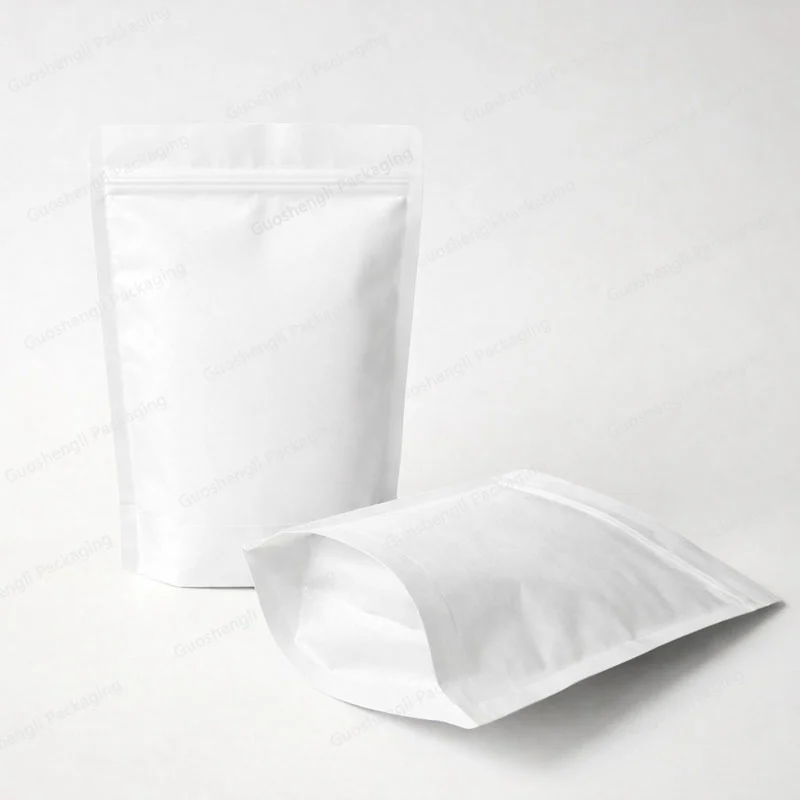
Stand-up bags are a big step forward in flexible packaging technology. They give food and drink companies a flexible option to regular containers. Because these packages are made with a bottom flap, they can stand up on their own on store shelves, making the product and company more visible. Multiple layers of materials are laminated together during the production process. These layers are usually polyethylene, polyethylene terephthalate, aluminium foil, or recyclable films. This creates protective qualities that are specific to the needs of the product.
Material Construction and Barrier Technologies
Modern pouches are made with complex mixtures of materials that keep the goods safe from outside influences. VMPET (Vacuum Metallised Polyester) technology protects very well against water getting in, oxygen getting in, and light breaking down. With this multilayer method, manufacturers can create precise barrier properties that match the sensitivity levels of their products. High-oxygen barriers help coffee brands keep their products from going bad, while snack makers focus on keeping their snacks crisp by protecting them from moisture. Using advanced glue, the lamination process joins these layers together to make a single structure that works well during storage and delivery.
Choosing the right material depends on more than just its barrier qualities. It also needs to be strong, resistant to heat, and able to keep the seal intact. When it comes to closing and fluidity, polyethylene is great, and PET adds structural stiffness and clarity. For goods that need to stay fresh for a longer time, aluminium foil layers work better as a barrier. When made right, biodegradable options made with PLA or PBAT materials address concerns about sustainability without lowering product safety.
Customization Capabilities and Features
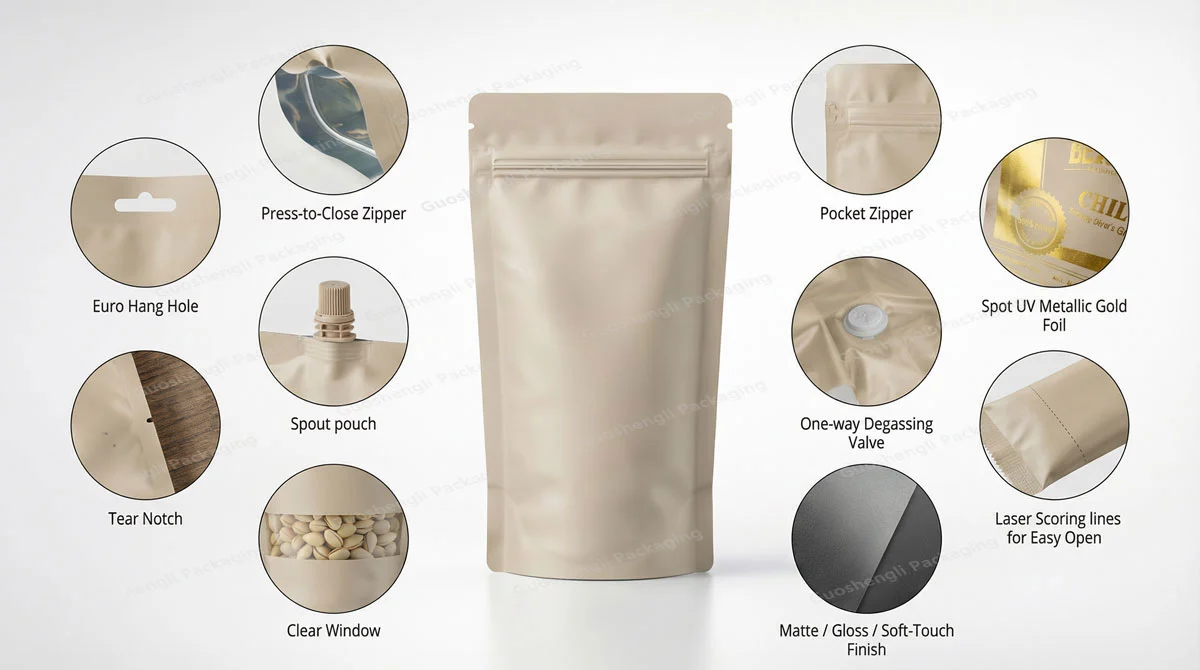
There are many ways to customise flexible pouch formats to fit a wide range of product needs. Zipper closures make it easy to get to the product more than once while keeping it fresh, which is especially useful for packages that serve more than one person. Spout fittings make it easier to pour liquid or almost-liquid things like sauces, drinks, and seasonings in a controlled way. Tear notches make it easy to open, which is more convenient for customers. Window screens let customers see the product, which builds trust among customers by showing the product honestly.
Sizes range from single-serving amounts to large sizes that weigh more than five kilos, so they can be used for a wide range of purposes and by different types of customers. Shape variations include standard stand-up pouches, flat-bottom designs that offer box-like stability, side-gusset formats that maximise fill volume, and speciality contours that make the product stand out on the shelf. This design freedom lets brands make their goods stand out while also making them work better in certain situations.
Manufacturing Process and Quality Control
Production begins with rotogravure printing for stand up pouches. On film, cylindrical plates produce high-resolution pictures. Our facility features seven high-speed, eleven-color printing lines. This lets us vividly describe brand and product messages. Spot UV treatment adds visual and physical depth to trademarks and important statements, increasing their value.
Laminating machines adhere layers of material under pressure and temperature after printing. This ensures uniform layer adhesion and a sturdy barrier. Six specialist laminating lines can handle material combinations from two to five layers. Next, laminated rolls are precisely cut, folded, and sealed by pouch-making machinery. Our 49 converting tools provide exact measurements for automated finishing lines to function together.
Quality assurance techniques are employed throughout the manufacturing process, not simply at inspection sites. Raw material verification verifies the supplier respects FDA and BRC food handling requirements. In-process tracking monitors printing accuracy, laminate bond strength, and seal integrity. Final testing ensures the shield works, is sturdy, and retains the same size. This all-around approach reduces defects and ensures repeat product performance.
Key Benefits of Stand Up Pouch Packaging for the Food and Beverage Industry
Flexible pouches outperform rigid packaging in multiple ways. Food and beverage firms are realising these advantages go beyond cost reductions to include supply chain efficiency, brand uniqueness, and environmental responsibility. Understanding these interrelated benefits helps procurement professionals make educated choices that meet operational and strategic goals.
Superior Product Protection and Shelf Life Extension
Advanced pouch structures' main benefit is barrier characteristics. Oxidation degrades flavours, nutrients, and colours, but multilayer construction blocks oxygen. Hydroscopic products like powders, dried fruits, and baked goods are protected from humidity-induced quality loss by moisture barriers. Light-blocking coatings protect photosensitive substances including vitamins and natural colourants.
Product categories and barrier specifications affect shelf life improvements. High-barrier pouches keep snacks crisp three to five times longer. More aromatic compounds are retained in metallized coffee than paper-based alternatives. Protection from oxygen and moisture reduces active ingredient degradation in nutritional supplements, sustaining label claims throughout product lifespan.
Resealable closures protect beyond opening, reducing waste and customer use. After each access, zipper mechanisms seal, maintaining barrier integrity for repeated product use. Family-sized packages and bulk formats benefit from this functionality because preservation between uses affects consumer satisfaction and repurchase behaviour.
Cost Efficiency and Supply Chain Optimization
Material efficiency boosts the economy. Flexible pouches save raw material by using less packaging material per volume. Transporting lighter packages reduces distribution network costs, fuel usage, and carbon emissions. Small pre-shipments optimise warehouse space and save storage expenses.
Production economics promote flexible forms for faster changeover and reduced equipment costs. Pouch lines increase production flexibility by supporting multiple product sizes and requirements with minimal downtime. Automated filling systems provide high-volume, precise manufacture.
Digital printing provides market testing and limited edition manufacture with customisable minimum order quantities. Digital printing allows small runs without rotogravure plate-making costs. This reduces inventory risk when launching new products or seasonal varieties and lets brands test market response before mass production.
Enhanced Brand Visibility and Consumer Appeal
Packaging is quiet salesmanship at the moment of purchase; thus, visual impact is crucial. Stand-up pouches maximise brand communication with large front, rear, and gusset printed areas. Rotogravure printing produces highly detailed images with rich colour saturation that attracts customers.
Structural design enhances shelf presence beyond graphics for stand up pouches. Horizontal formats are less prominent than vertical ones. Pouches with unique silhouettes break up shelf clutter. Products are seen via transparent windows, boosting customer trust.
Premium finishes increase value and tactile engagement. Matte surfaces reduce store lighting glare and express natural, handcrafted positioning. Glossy finishes convey modernity and product freshness. Soft-touch coatings distinguish luxury products with a pleasant touch. Spot UV highlights emphasise brand logos and key messaging.
Environmental Sustainability and Regulatory Compliance
Sustainability affects packaging as consumer awareness and legislation evolve. Due to their reduced capacity, flexible pouches produce less waste. Studies show flexible packaging creates 30% less landfill debris than rigid containers.
More infrastructure means more recycling options. Single polymer mono-material architectures allow end-of-life mechanical recycling. Recycling accepts polyethylene pouches. Clear recycling guidelines promote the circular economy.
Renewable compostable materials have other uses. Industrial composting breaks down PLA dry product mixtures. Product protection and fossil fuel reduction are achieved using these materials. Because plastics have different barrier and mechanical characteristics, performance validation is needed.
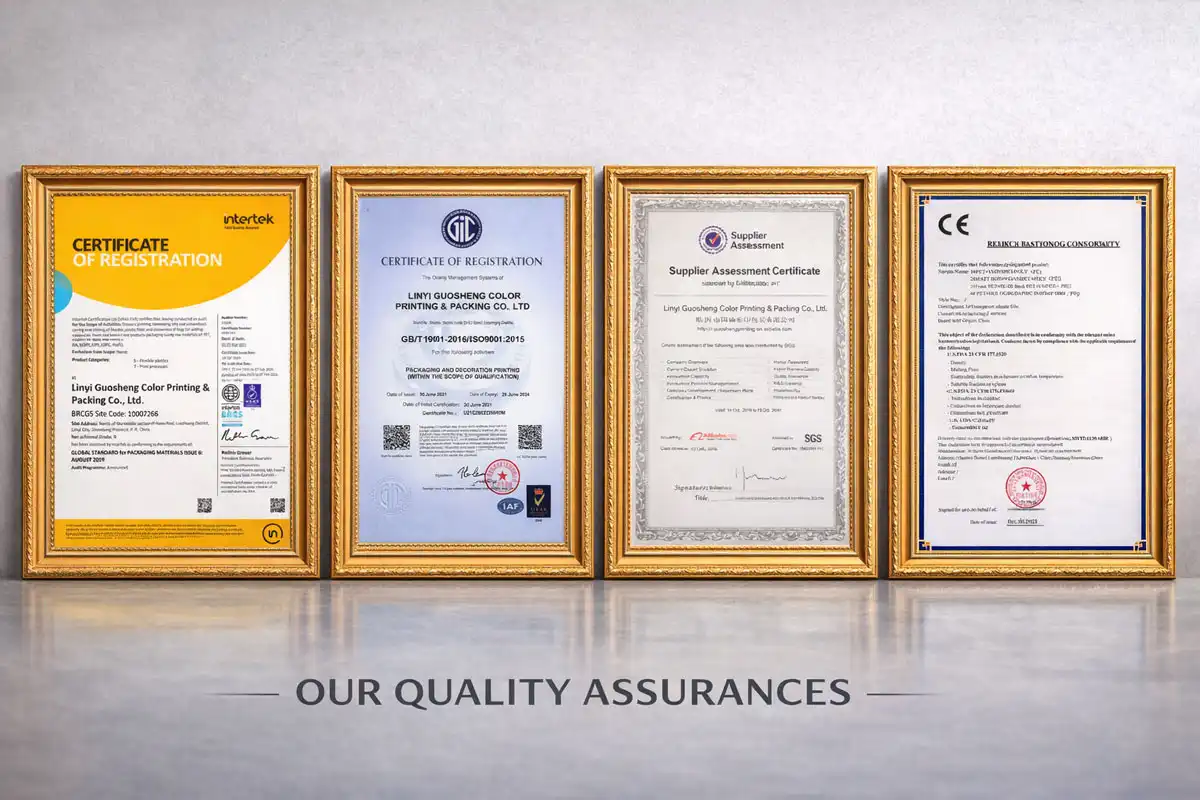
Market entry requires food contact standards. Global standards, FDA approval for US distribution, and EU regulations for European markets require rigorous material testing and documentation. The ISO 9001 quality management system and BRC food safety certification ensure materials and procedures meet regulations. SGS tests migration limits and material composition for client compliance.
How to Choose the Best Stand Up Pouch for Your Food or Beverage Product
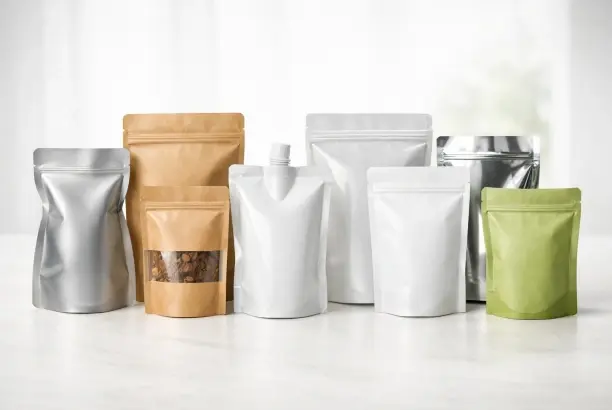
Product qualities, distribution circumstances, and brand positioning goals must be considered while choosing bag parameters. Procurement experts must balance technical performance, cost, and sustainability. Systematic evaluation frameworks assist in choosing packaging for particular applications despite many factors.
Assessing Product Compatibility and Barrier Requirements
Minimum barrier performance depends on product characteristics. Powders, dried fruits, and snacks need high moisture vapour transmission rate barriers like metallised films or aluminium foil. To prevent oxidation and rancidity, oxygen-sensitive products like coffee, nuts, and fats need low oxygen transmission rates. Coffee and tea aroma retention need structures that restrict volatile chemical escape.
Temperature during distribution and storage affects material choice. Flexible and sealable films are needed for refrigerated and frozen products. Product materials must tolerate high temperatures without deforming. Heat- and pressure-resistant constructions are needed for post-packaging sterilisation retorts.
Product-packaging chemical compatibility prevents unwanted interactions. Materials that resist degradation are needed for acidic products. Grease-resistant structures are needed for oils and fats. Spices and seasonings with volatile ingredients need strong flavor-blocking properties.
Evaluating Design Features and Functional Elements
Closure methods greatly affect product preservation and user experience. Products used several times stay fresh with resealable zippers. Press-to-close systems ensure closure with audible and tactile feedback. Consumers with limited dexterity may use slider systems easily. Controlled liquid and pourable product distribution is easier with spout fitments.
Opening characteristics balance accessibility and tampering. Intuitive tear notches make opening without tools easy. Laser scoring allows predetermined tearing. Top-seal designs provide full access to culinary products and snacks.
Transparent windows have uses beyond product visibility. They build consumer confidence by assessing quality before purchase. They decrease package waste by letting customers check condition and amount. Window location and size must be carefully considered for structural stability and visibility.
Comparing Supplier Capabilities and Certifications
Supplier selection strongly impacts supply chain reliability and product uniformity for stand up pouches. Production capacity affects volume and corporate growth. High-volume orders and specialist production are possible with our 7 printing lines, 6 laminating machines, and 49 converting machines.
Food safety and manufacturing regulations are verified by quality certifications. The ISO 9001 certification shows quality management. BRC certifies major retailers' food safety standards. Compliance papers from the FDA validate food-contact material compatibility. These certifications reduce customer compliance risk and open global markets.
Lead time manages urgent and regular production. Time-sensitive launches and promotions may be manufactured in 7-10 days using digital printing. Rotogravure printing creates high-quality graphics at an affordable cost for large quantities in 15-20 days. These timelines help procurement teams coordinate package availability with product launches and inventory management.
Technical assistance helps beyond product delivery. Barrier attributes and cost are optimised by material selection. Designers ensure pouch artwork prints effectively. Filling line compatibility testing avoids production start-up issues. Our team provides specification-phase solutions for unique application needs with 25 years of manufacturing experience.
Procurement and Ordering Guide for Stand Up Pouches
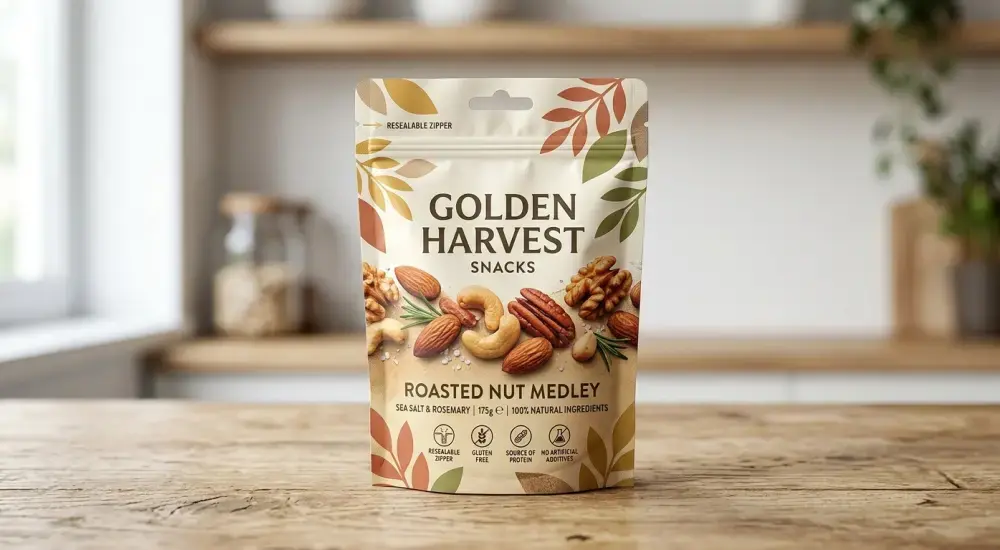
Streamlining procurement reduces costs, lead times, and manufacturing supplies. Supplier interaction, specification creation, and order management strategies provide value across the procurement lifecycle. Understanding industry norms and using manufacturer capabilities improves first orders and continuing connections.
Developing Clear Specifications and Requirements
Comprehensive specifications reduce confusion and assure product functionality. Technical parameters should specify material structure, layer composition, barrier performance targets, oxygen transmission rate and moisture vapour transmission rate thresholds, and width, length, and gusset depth with acceptable tolerances.
Graphic needs include artwork file formats, Pantone-based colour matching systems, and matte, gloss, or spot UV finishing. Zipper type, spout specifications, and window dimensions must be defined. Production volume, package configuration, and delivery timing complete the specification structure.
Sample testing verifies specifications before mass production. Physical samples provide accelerated shelf life testing, drop testing, seal strength measurement, and colour accuracy verification for barrier integrity, structural performance, and graphic replication. This validation process identifies adjustments before mass production.
Negotiating Pricing and Minimum Order Quantities
Material purchase, printing plate investment, and production setup pricing reflect economies of scale. Bulk material purchases and lengthier production cycles amortise setup expenses, giving volume commitments better pricing. Understanding these dynamics helps procurement teams arrange orders for cost effectiveness and inventory control.
Minimum order quantities vary per manufacturing technique. Due to printing plate investment and setup complexity, rotogravure printing has higher minimums but lower unit costs for huge quantities. For market testing and specialised applications, digital printing allows smaller quantities without plate costs. Total procurement cost is optimised by balancing these options against demand forecasts and cash flow.
Custom printing, premium materials, and special features increase cost. Embossing, spot UV coating, and metallic inks boost finishing expenses. Multi-layer barrier constructions using aluminium or speciality polymers cost more. Component prices include proprietary zippers and fitments. Clear communication regarding these aspects during the quote helps balance functionality and budget.
Managing Production Schedules and International Logistics
Production planning coordinates packaging availability with product manufacturing. Artwork approval, pre-production sample, manufacture, and shipping include lead time management. Delays in downstream activities are avoided via milestone communication.
International shipping involves customs, import charges, and transit time. Ocean freight is cost-effective for large volumes and takes 4-6 weeks from Asian manufacturing to North American ports. Air freight delivers in 4-5 days for urgent needs or inventory shortages. Understanding these tradeoffs helps choose a mode that balances cost and timing.
Product categorisation, country of origin paperwork, and commercial invoicing must be correct for customs. Duty rates are determined by Harmonised System codes. Trade agreements may provide favourable tariff treatment for certificates of origin. Experienced manufacturers help navigate these standards, decreasing clearance delays and compliance risk.
Building Strategic Supplier Relationships
Long-term relationships provide benefits beyond transactions. Manufacturers can research customer needs, anticipate needs, and prioritise service with established relationships. Volume commitments help optimise capacity allocation and material procurement by predicting production schedules.
Supplier dependability is measured by quality, on-time delivery, and response. Regular company reviews evaluate performance, identify improvements, and match strategic goals. Through waste reduction, process optimisation, and innovation, collaborative continuous improvement benefits everyone.
Communication protocols clarify technical concerns, order status, and problem resolution. Designated account reps maintain relationships. Application-specific questions and troubleshooting are handled by technical specialists. This organised method streamlines information flow and speeds up time-sensitive decisions.
Future Trends Shaping Stand Up Pouch Packaging in Food & Beverage
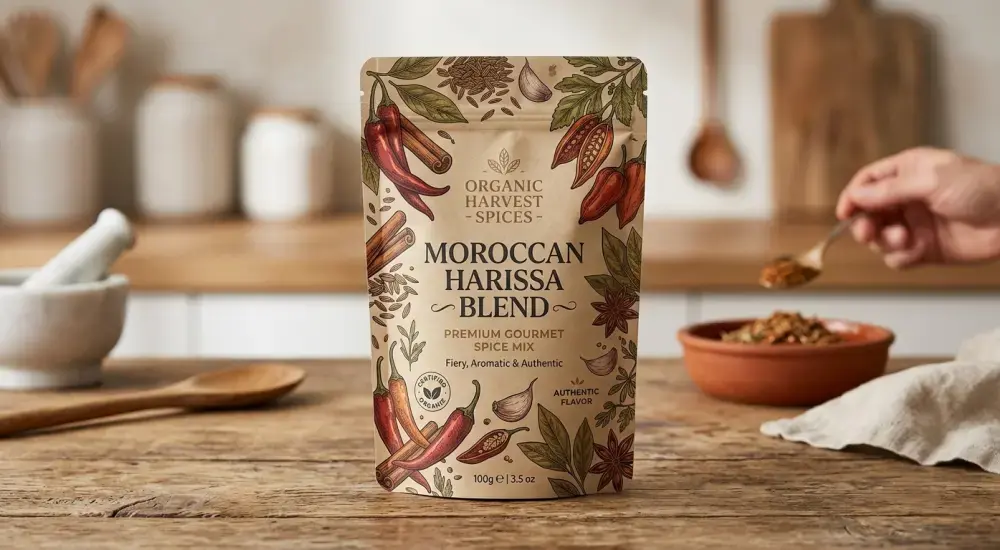
Technological advancements, regulatory changes, and customer preferences drive fast flexible packaging sector evolution. Understanding new trends helps procurement experts predict future demands and assess supplier capabilities. Packaging strategies increasingly consider long-term market trends and functional needs.
Sustainability Innovation and Circular Economy Integration
Environmental factors increasingly influence packaging material and design. Developers emphasise recyclable mono-material designs for end-of-life processing and product preservation. Polyethylene pouches solve recycling collecting system, and disposal difficulties.
Recycling reduces virgin material consumption and promotes circular economy. Food-contact-safe post-consumer recycled materials allow sustainable sourcing claims. This process involves careful supplier selection for recycled material quality and regulatory compliance.
Without recycling facilities, biodegradable and compostable materials operate. Renewable PLA and PBAT blends degrade under certain conditions. These materials vary from plastics in barrier, mechanical, and thermal endurance, requiring performance evaluation.
Lightweighting saves material by optimising structures and performance. Advances in material science offer thinner gauges with appropriate strength and barrier. Reducing resource use and transportation impacts helps the environment and saves money.
Smart Packaging and Digital Integration
Connected packaging improves supply chain visibility and customer interaction. Smartphones can read pouch QR codes for product information, preparation instructions, and brand storytelling. This digital link allows data collection for marketing and product development.
Visual indications from time-temperature exposure or packaging integrity indicate product freshness. These technologies objectively analyse product quality, boosting customer trust and reducing waste. Application is restricted by cost but grows as technological prices fall.
Blockchain-based food traceability solutions address safety and authenticity. Serialisation tracks shipments across supply chains, enabling quick quality and counterfeit reaction. As traceability needs grow, regulations may speed adoption.
Advanced Barrier Technologies and Material Science
Nanotechnology improves barrier characteristics via molecular-level material engineering. Nano-clay composites are transparent and increase oxygen and moisture barriers. These advances might decrease material thickness and improve protection, boosting sustainability and performance.
Renewable bio-based barrier coatings replace petroleum-based ones. These coatings improve paper and film barrier properties and assist sustainability. Application-specific validation guarantees product category performance.
Instead of passively blocking oxygen, oxygen scavenging systems remove oxygen from package headspace. This technology uses proactive atmosphere management to extend sensitive product shelf life. Sachets or integrated film additives are used, each with benefits for certain applications.
Conclusion
Food and beverage companies seeking efficient, sustainable, and consumer-friendly packaging will benefit from stand up pouches. Superior barrier protection prolongs shelf life and reduces loss. Economical production and distribution optimise supply chain economics. Marketing distinctiveness is improved by strong branding. Flexible pouch formats enable innovation as sustainability requirements rise and consumer preferences change. Choose manufacturing partners with established capabilities, extensive certifications, and application experience for dependable supply and performance. Strategic packaging selections that address these factors help businesses compete in global marketplaces.
FAQ
1. Are Stand Up Pouches Recyclable and Environmentally Friendly?
Recyclability depends on material structure and local infrastructure availability. Mono-material polyethylene pouches integrate into existing plastic recycling streams where collection programs operate. Multi-layer structures incorporating different polymer types present recycling challenges, though specialized facilities process certain combinations. Clearly labeled recycling instructions improve consumer participation. Compostable options provide alternative end-of-life pathways for specific applications, requiring industrial composting facilities for proper degradation.
2. How Much Does Custom Printing Affect Lead Time and Cost?
Digital printing enables production within 7-10 days without plate investment, supporting short runs and rapid turnaround at higher unit costs. Rotogravure printing requires 15-20 days including plate preparation but delivers superior graphics quality and cost efficiency for volumes exceeding 50,000 units. Spot UV coating and premium finishes add processing time and incremental cost. Balancing these factors against volume requirements and timeline constraints optimizes procurement decisions.
3. What Barrier Properties Should I Specify for Different Product Types?
Moisture-sensitive products require structures achieving moisture vapor transmission rates below 0.5 g/m²/24hr. Oxygen-sensitive products need oxygen transmission rates under 1 cc/m²/24hr for adequate protection. Coffee and products containing volatile aromatics benefit from metalized films providing superior barrier performance. Working with experienced manufacturers helps match barrier specifications to product characteristics and desired shelf life targets.
Partner with a Trusted Stand Up Pouches Manufacturer
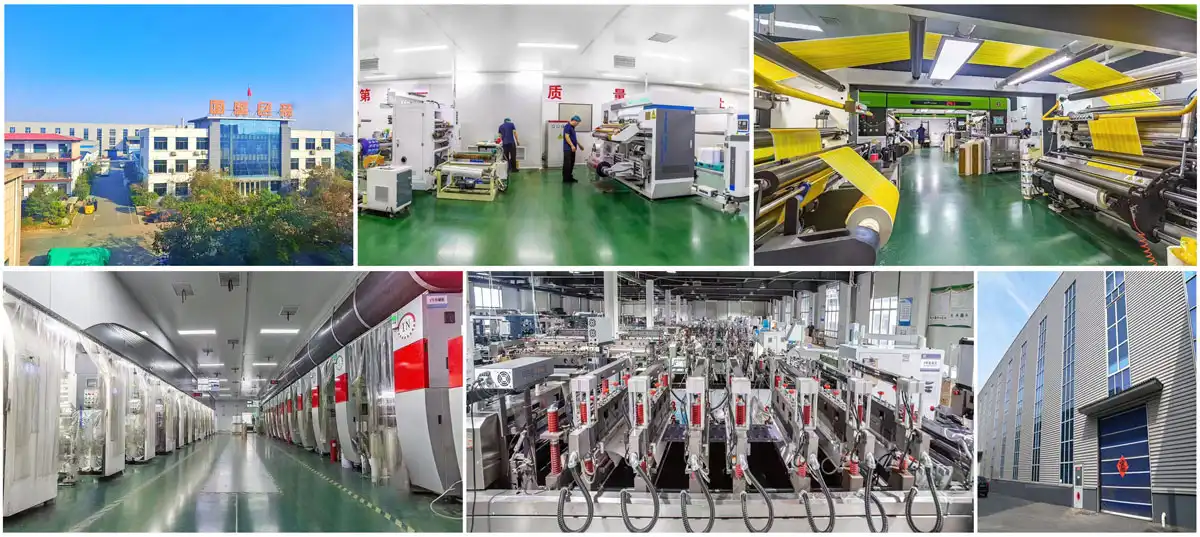
Guoshengli Packaging brings 25 years of flexible packaging manufacturing experience serving food, beverage, pet food, and supplement brands across North America, Europe, and Asia-Pacific markets. Our comprehensive capabilities include rotogravure printing up to 11 colors, advanced VMPET barrier structures, and rapid production timelines meeting urgent requirements. ISO 9001, BRC, and FDA certifications ensure consistent quality and regulatory compliance. Whether you need custom printed pouches for product launches or reliable supply for established production lines, our technical team provides expert consultation matching pouch specifications to your specific application requirements. Contact our stand-up pouches supplier team at sales@guoshengpacking.com to discuss your project requirements, request samples, and discover how our manufacturing capabilities can support your packaging objectives with reliable, cost-effective solutions.
References
1. Robertson, Gordon L. "Food Packaging: Principles and Practice, Third Edition." CRC Press, 2012.
2. Marsh, Kenneth and Betty Bugusu. "Food Packaging—Roles, Materials, and Environmental Issues." Journal of Food Science, Vol. 72, No. 3, 2007.
3. Yam, Kit L. "The Wiley Encyclopedia of Packaging Technology, Third Edition." John Wiley & Sons, 2009.
4. Selke, Susan E.M., John D. Culter, and Ruben J. Hernandez. "Plastics Packaging: Properties, Processing, Applications, and Regulations, Third Edition." Hanser Publications, 2016.
5. Coles, Richard and Mark Kirwan. "Food and Beverage Packaging Technology, Second Edition." Wiley-Blackwell, 2011.
6. Brody, Aaron L. and Kenneth S. Marsh. "The Wiley Encyclopedia of Food Science and Technology: Flexible Packaging." John Wiley & Sons, 1999.