- English
- French
- German
- Portuguese
- Spanish
- Russian
- Japanese
- Korean
- Arabic
- Greek
- German
- Turkish
- Italian
- Danish
- Romanian
- Indonesian
- Czech
- Afrikaans
- Swedish
- Polish
- Basque
- Catalan
- Esperanto
- Hindi
- Lao
- Albanian
- Amharic
- Armenian
- Azerbaijani
- Belarusian
- Bengali
- Bosnian
- Bulgarian
- Cebuano
- Chichewa
- Corsican
- Croatian
- Dutch
- Estonian
- Filipino
- Finnish
- Frisian
- Galician
- Georgian
- Gujarati
- Haitian
- Hausa
- Hawaiian
- Hebrew
- Hmong
- Hungarian
- Icelandic
- Igbo
- Javanese
- Kannada
- Kazakh
- Khmer
- Kurdish
- Kyrgyz
- Latin
- Latvian
- Lithuanian
- Luxembou..
- Macedonian
- Malagasy
- Malay
- Malayalam
- Maltese
- Maori
- Marathi
- Mongolian
- Burmese
- Nepali
- Norwegian
- Pashto
- Persian
- Punjabi
- Serbian
- Sesotho
- Sinhala
- Slovak
- Slovenian
- Somali
- Samoan
- Scots Gaelic
- Shona
- Sindhi
- Sundanese
- Swahili
- Tajik
- Tamil
- Telugu
- Thai
- Ukrainian
- Urdu
- Uzbek
- Vietnamese
- Welsh
- Xhosa
- Yiddish
- Yoruba
- Zulu

The main benefits of using a side gusset pouch with valve are that it keeps food fresh longer by degassing it automatically, it protects against air and moisture better than other packaging, it takes up less room, and it makes products last longer. The 1kilo side gusset pouch with valve is designed to hold things like freshly roasted coffee, which need to release CO2 quickly. This style of packing has expandable side panels and a one-way opening system that lets interior gases leave but keeps outside air from coming in. This keeps the product's taste, flavour, and integrity while it's being shipped and displayed in stores.
Understanding Side Gusset Pouches with Valve: Features and Benefits
What Makes Side Gusset Design Unique
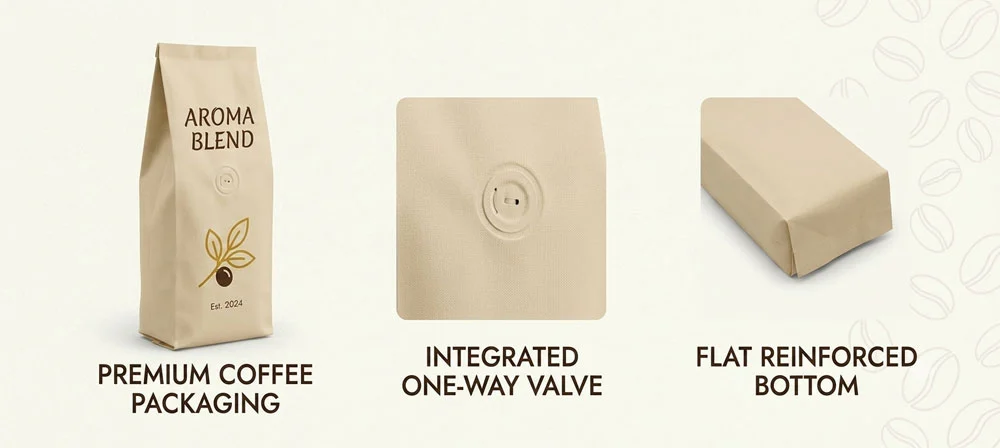
Side gusset bags have panels on both sides that can be expanded. These panels fold flat when not in use but open up when they are. This design makes a box-like, rectangular shape that stands straight up on shelves and takes up very little space in the warehouse before it is used. Because this structure is structurally efficient, it has big benefits for brands that need to manage a lot of goods. Side gusset designs spread weight evenly along vertical lines, making it easier to stack during travel and storage. This is different from stand-up bags, which need a bottom gusset to be stable. Coffee roasters like this shape for packing because it holds exactly one kilogram of beans without leaving too much empty space, which lowers the cost of shipping each unit.
How the Degassing Valve Functions
The built-in one-way valve is very important for coffee packaging and other related uses. For several days after being roasted, freshly roasted coffee beans give off large amounts of carbon dioxide. If there isn't a way for this gas to escape, it builds up inside the pouch and can cause it to expand or even burst. The one-way design of the valve lets CO₂ exit but keeps oxygen from getting in, which would speed up the staleness process. This feature greatly increases the shelf life compared to options that don't have valves. Protocols for testing show that valves that work properly keep the purity of the internal atmosphere for months, protecting the volatile chemical compounds that define the quality of speciality coffee products.
Barrier Protection Through Multi-Layer Construction
Modern 1kilo side gusset pouch with valve solutions use complex laminate structures, usually made of PET for strength, aluminium foil for blocking light and oxygen, and polyethylene for being able to seal with heat. This multi-layer structure stops moisture transmission rates below 0.5 g/m³/24 hours and oxygen transmission rates below 0.01 cc/m²/24 hours. These are the levels of performance that are needed to keep the quality of the product in tough transportation settings. The barrier properties keep out outside contaminants and keep freshness markers inside. Food companies that want to package moisture-sensitive powders, high-end pet treats, or health supplements can use these engineered barrier specifications to keep the products from breaking down over the course of months.
Material and Design Considerations for 1 Kilo Side Gusset Pouches with Valve
Selecting Appropriate Laminate Structures
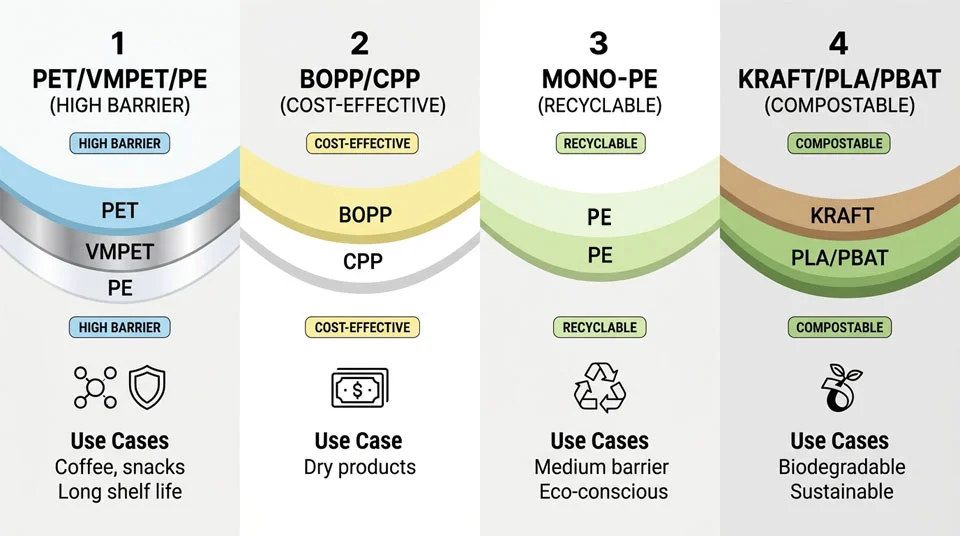
The composition of the materials directly affects how well the packaging works and how much it costs. Standard food-grade laminates come in PET/AL/PE types that offer the best barrier protection and are good for products that need to stay fresh for a long time in climates that change often. Different types of structures, like PET/VMPET/PE, offer good barrier qualities at lower material costs, making them good for products that are moderately sensitive to air. New environmentally friendly choices have top layers made of bio-based plastic or paper that keep their usefulness while making them easier to recycle. When making a procurement decision, it's important to weigh barrier requirements against sustainability goals and the preferences of the target market. When brands come to Europe, they often choose reusable buildings made of a single material, even if they cost a little more. This is because consumers expect brands to follow circular economy rules, and regulations are also moving in the same direction for 1kilo side gusset pouch with valve.
Valve Placement and Customization Options
The best place to place the valve depends on the filling tools and the product itself. Standard placement is in the upper third of the front panel, which lets gas escape quickly after the pouch is closed and stood upright. Some automatic filling lines need valves to be placed in certain ways so that they don't get in the way of quality checking cameras or conveyor systems. Side gusset pouches with valves can be customised in many ways, such as by adding a zipper for resealing, tear notches for easy opening, clear windows to see the product inside, and a matte or glossy finish that changes how the pouch looks on the shelf. Custom printing options that include eleven-color rotogravure processes let brands use complex graphics that set their products apart in stores where competition is high.
Impact on Supply Chain Efficiency
Choices about materials and designs affect how well logistics work all along the supply chain. Because side gusset bags are small and empty, they take up less space when they are shipped, which saves money on freight costs. Their stable, rectangular-filled form makes palletisation more efficient because it lets more units fit on each pallet than options with more complicated shapes. The strong seal strength built into high-quality 1kilo side gusset bag with valve goods keeps them from breaking while being handled, which cuts down on product loss and customer complaints. Brands that want to expand their distribution networks need packaging that works well in all kinds of transportation situations, from temperature-controlled warehouses to last-mile deliveries in extreme temperatures.
Comparing Side Gusset Pouches with Other Packaging Solutions
Side Gusset vs. Stand-Up Pouch Formats
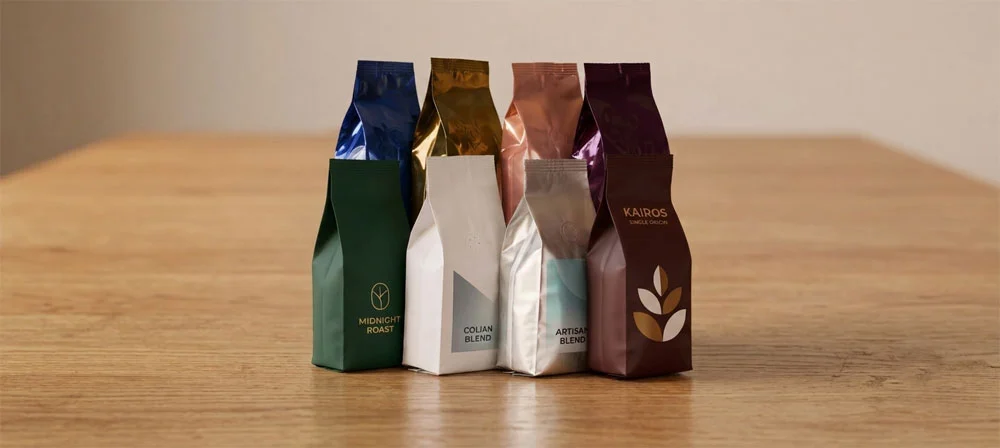
While both formats provide vertical shelf presentation, they serve different operational priorities. Stand-up pouches utilize a bottom gusset that makes a wide base that is very stable on store shelves and gives you plenty of room for branding. But this design needs more space when it's not full, and it might not work as well for goods that don't need to sell themselves with the front panel being as visible as possible. Side gusset bags are great at saving room and are often used in trade or membership models where safety and shipping performance are more important than brand message. The 1 kg side gusset pouch with valve is perfect for bulk coffee distribution, where roasters care more about keeping the coffee fresh than how it looks on a store shelf.
Flat Bottom Pouches and Their Applications
Flat bottom pouches, which are also called box pouches, are more stable when standing because they have a square base. This format gives products a premium shelf presence that makes it perfect for high-end retail positioning. Because they are harder to make and use more materials, they usually cost more per unit than side gusset configurations. In competitive retail settings, brands that put an emphasis on luxury presentation may be able to charge more for this. Side gusset pouches with valve, such as a 1kilo side gusset pouch with valve, are more affordable and offer great functionality. This makes them useful for volume packaging tasks in coffee roasting, pet food production, and supplement production, where protection and efficiency are more important than premium looks.
Evaluating Total Cost of Ownership
When comparing packing options, you need to look at more than just the unit buy price. Side gusset bags are better for shipping weight, storage density, and handle efficiency, all of which lower the overall cost of the supply chain. As a result of being easier to make than flat bottom designs, they usually have faster lead times and more production options. Being able to order smaller production runs without having to pay too much extra gives brands strategic flexibility when they have to deal with seasonal changes in volume or test out new product variants. Quality manufacturers offer competitive minimums on side gusset pouches with valve while still letting you make the changes that are needed for your brand to stand out.
Procurement Insights: How to Select and Buy the Right Side Gusset Pouch with Valve
Verifying Supplier Certifications and Capabilities
As the first step in your due diligence research, you should make sure that any possible sellers have the right quality certifications for the places you want to reach. Getting ISO 9001 certification shows that you can manage quality in a structured way. The BRC Global Standards for Packaging approval is very detailed about meeting the quality and safety standards for packaging that are accepted in all foreign markets. Documentation from the FDA shows that the products meet US food contact rules. Third-party confirmation of barrier qualities and seal strength standards is given by SGS tests results. In addition to certificates, you should also look at the providers' production ability to make sure they can grow with your business. Companies that have more than one printing and turning line show that they have the means to handle both new orders and future volume growth without affecting delivery times.
Understanding Lead Times and Order Processes
Depending on the printing method and the size of the order, custom 1kilo side gusset pouch with valve orders usually take between three and six weeks to be made. Digital printing allows for shorter runs and faster response times, usually seven to ten days. This makes it perfect for testing the market or launching a new product. Rotogravure printing needs to have the cylinders prepared, but it produces more consistent colours and saves money on larger orders. Lead times are about fifteen to twenty days. When you plan your purchases well, you take these deadlines and the time it takes to ship into account. Air freight cuts the time it takes to send to four or five days, but it costs more to ship. Ocean freight is a cheap way to ship well-known goods that have predictable demand cycles. By building stock buffers, you can avoid running out of stock while manufacturers make more for later orders.
Evaluating Customization and Private Label Services
Since packaging is one of the first times people see a company, being able to customise it is an important factor to consider when buying something. Check to see if the providers offer design help to make sure that the artwork is optimised for printing processes so that the colours and graphics are clear. Make sure the file formats work together and ask the technical teams if they can suggest changes to the structure that will make it work better or cost less. Private labelling lets brands get tried-and-true package designs with little change, which speeds up time to market. Flexible minimum order quantities help businesses grow by letting them place smaller orders at first, which lowers the risk of running out of inventory and opens the door to volume discounts as sales rise. Building ties with providers who understand how these business factors work leads to long-term success that goes beyond routine buying.
Environmental Impact and Future Trends in Side Gusset Pouch Packaging
Sustainability Challenges and Innovations
Traditional multi-layer laminates protect products very well, but they are hard to recycle because the materials are so complicated. To separate the layers of aluminium, plastic, and adhesive, you need special equipment that most municipal recycling systems don't have. Because of this limitation, people have come up with better, more environmentally friendly solutions. Mono-material polyethylene buildings get rid of walls made of different materials, which lets recycling happen through current plastic garbage streams. Bio-based polyethylene made from green feedstocks cuts down on the need for dirty fuels while keeping the same level of functionality. Compostable films made of PLA and PBAT can be thrown away through industrial composting when they are no longer useful. However, brands need to make sure that the local composting infrastructure can handle these materials. The 1kilo side gusset bag with valve structure can be changed to fit these new materials. This lets brands match their goals for sustainability with their needs to protect their products.
Regulatory Landscape and Market Expectations
Both government action and market desire for long-term answers are driven by consumers' knowledge of packing trash. More and more, European Union rules require packaging materials to be able to be recovered and to contain recyclable materials. In the United States, consumers are becoming more and more interested in brands that are environmentally friendly through their package choices. When businesses buy things from each other, they often look at sustainability factors along with cost, quality, and delivery reliability. A brand that is looking to the future knows that investing in environmentally friendly packaging now will help them meet current customer needs and meet future regulatory requirements. Manufacturers who offer both conventional and environmentally friendly options give brands the freedom to move through this transition at a pace that works for their market positioning and cost structures.
Emerging Technologies in Valve and Printing Design
Side gusset pouches with valve are always getting better in terms of both how they look and how well they work. Modern valve designs use smaller shapes that save money on materials while still removing gases efficiently. Smart package technologies let QR codes and NFC tags be added, which connect customers to brand stories, authenticity checks, or brewing directions. New developments in digital printing make it possible to get quality close to rotogravure at shorter run lengths. This makes custom packaging more accessible for smaller brands. When applied to paper surfaces, improved barrier layers make long-lasting options that are similar to the performance of plastic film. By keeping up with these changes, procurement workers can use new ideas that give them a competitive edge in protecting products, setting brands apart, and taking care of the environment.
Conclusion
Finding the right packaging solution means balancing a lot of different things, such as protecting the product, saving money, showing off the brand, and being environmentally friendly. The 1kilo side gusset pouch with valve meets these needs with a well-thought-out design that keeps food fresh, makes logistics easier, and allows for customisation. Procurement professionals can make decisions that are in line with business goals if they understand the structural benefits, material choices, and seller evaluation factors that have been discussed in this analysis. Sustainability is becoming more important in packaging, but performance standards that are necessary for product quality must still be met. In order to be successful in the long run in competitive markets, you need to work with makers that have a lot of experience, scientific knowledge, quality standards, and a dedication to new ideas.
FAQ
1. Can side gusset pouches with valve be reused after opening?
These pouches are designed as single-use packaging optimized for maintaining unopened product freshness. Once opened, the barrier integrity and valve functionality are compromised. Products requiring extended use after opening benefit from resealable zipper integration, which many manufacturers can incorporate into the design. The zipper enables consumers to close the package between uses, though freshness preservation will gradually decline compared to the unopened state.
2. What are typical lead times when ordering a custom 1-kilo side gusset pouch with valve?
Production timelines typically range from three to six weeks depending on printing method and order specifications. Digital printing processes deliver finished pouches within seven to ten days, suitable for urgent needs or small production runs. Rotogravure printing, offering superior color consistency for larger volumes, requires approximately fifteen to twenty days. These timelines reflect manufacturing duration; shipping adds four to five days for air freight or several weeks for ocean transport.
3. How can buyers verify valve functionality before placing large orders?
Working with certified suppliers holding ISO, BRC, and FDA approvals provides assurance that manufacturing processes include valve functionality testing. Request pre-production samples to conduct internal testing simulating your specific product and storage conditions. Reputable manufacturers perform vacuum testing and pressure testing on valves during production runs, confirming one-way airflow performance. Establishing quality specifications in purchase agreements and requesting test reports with shipments creates accountability for consistent valve performance across repeat orders.
Partner with Guoshengli Packaging for Your Side Gusset Pouch with Valve Needs
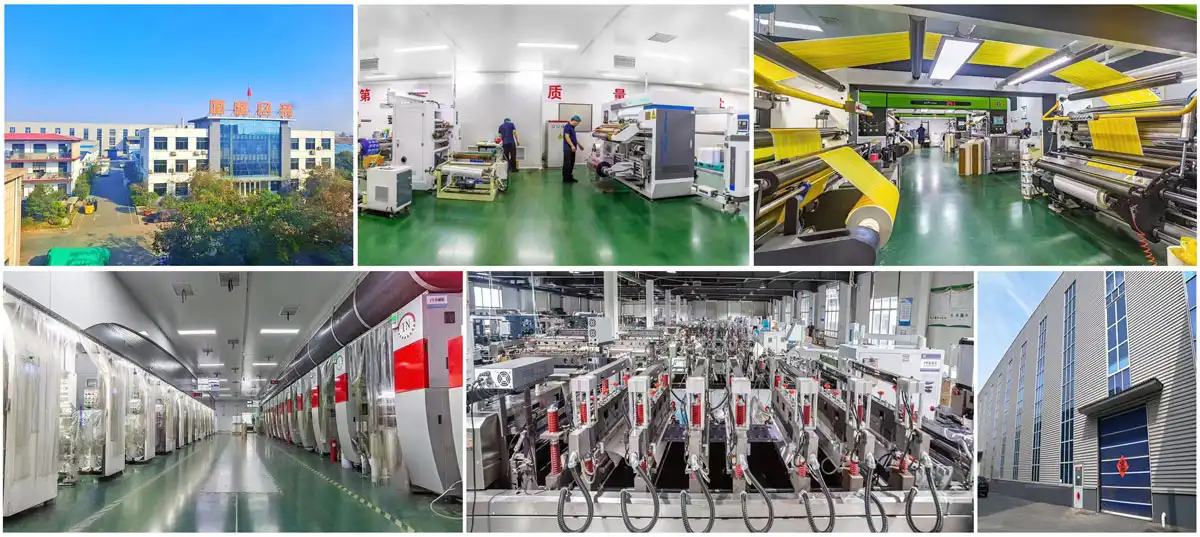
Guoshengli Packaging brings over 25 years of flexible packaging manufacturing expertise to help your brand achieve consistent product protection and professional market presentation. As a trusted 1kilo side gusset pouch with valve supplier, we deliver solutions engineered for real-world production environments, from material selection through final delivery. Our ISO 9001, BRC, and FDA certifications, combined with advanced rotogravure printing capabilities up to eleven colors, ensure your packaging meets both functional requirements and brand standards. We understand the complexities B2B buyers face in balancing quality, cost, and sustainability objectives. Our team provides technical guidance on material structures, valve placement optimization, and design customization that enhances shelf appeal while controlling total packaging costs. Contact our team at sales@guoshengpacking.com to discuss your specific requirements and request samples that demonstrate our commitment to manufacturing excellence and reliable supply.
References
1. Robertson, Gordon L. Food Packaging: Principles and Practice, 3rd Edition. CRC Press, 2012.
2. Marsh, Kenneth and Betty Bugusu. "Food Packaging—Roles, Materials, and Environmental Issues." Journal of Food Science, Vol. 72, No. 3, 2007.
3. Coles, Richard, Derek McDowell, and Mark J. Kirwan. Food Packaging Technology. Blackwell Publishing, 2003.
4. Yam, Kit L. The Wiley Encyclopedia of Packaging Technology, 3rd Edition. John Wiley & Sons, 2009.
5. Selke, Susan E.M., John D. Culter, and Ruben J. Hernandez. Plastics Packaging: Properties, Processing, Applications, and Regulations, 3rd Edition. Hanser Publications, 2016.
6. Brody, Aaron L. and Kenneth S. Marsh. The Wiley Encyclopedia of Food Science and Technology, 2nd Edition. John Wiley & Sons, 1999.