- English
- French
- German
- Portuguese
- Spanish
- Russian
- Japanese
- Korean
- Arabic
- Greek
- German
- Turkish
- Italian
- Danish
- Romanian
- Indonesian
- Czech
- Afrikaans
- Swedish
- Polish
- Basque
- Catalan
- Esperanto
- Hindi
- Lao
- Albanian
- Amharic
- Armenian
- Azerbaijani
- Belarusian
- Bengali
- Bosnian
- Bulgarian
- Cebuano
- Chichewa
- Corsican
- Croatian
- Dutch
- Estonian
- Filipino
- Finnish
- Frisian
- Galician
- Georgian
- Gujarati
- Haitian
- Hausa
- Hawaiian
- Hebrew
- Hmong
- Hungarian
- Icelandic
- Igbo
- Javanese
- Kannada
- Kazakh
- Khmer
- Kurdish
- Kyrgyz
- Latin
- Latvian
- Lithuanian
- Luxembou..
- Macedonian
- Malagasy
- Malay
- Malayalam
- Maltese
- Maori
- Marathi
- Mongolian
- Burmese
- Nepali
- Norwegian
- Pashto
- Persian
- Punjabi
- Serbian
- Sesotho
- Sinhala
- Slovak
- Slovenian
- Somali
- Samoan
- Scots Gaelic
- Shona
- Sindhi
- Sundanese
- Swahili
- Tajik
- Tamil
- Telugu
- Thai
- Ukrainian
- Urdu
- Uzbek
- Vietnamese
- Welsh
- Xhosa
- Yiddish
- Yoruba
- Zulu

Stand up pouches are a revolutionary type of bendable packaging that protects products better while keeping the structure strong. These bags have a strengthened bottom flap that lets them stand up straight on store shelves. This makes your brand stand out and keeps the product fresh. Multi-layer laminated films are great at blocking moisture, air, and light, which is why stand up pouches are the package pick of choice for health supplement companies, pet food brands, and food makers who want reliable, low-cost packaging. Procurement professionals can make smart choices that extend the life of a product and make it more appealing to customers if they know about the materials, manufacturing processes, and customisation options.
Understanding Stand Up Pouches – Definition, Materials & Manufacturing
What Are Stand Up Pouches?
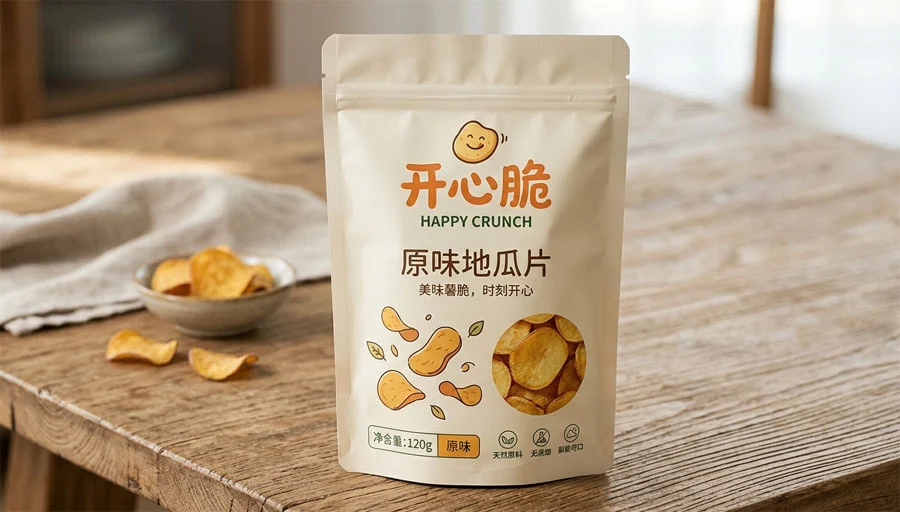
Stand up pouches are flexible packaging options made from multiple layers of laminated films that are meant to stand up on their own. The foundation of a structure is made up of a bottom gusset, which usually has a W-fold or K-seal shape and expands when filled with water to make a stable base. This design makes the best use of shelf space while giving brands and product information a lot of room to show off their work. These pouches are different from regular flat bags or hard cases because they can be filled with different amounts of product and in different ways. This means that they can be used for both automatic and human packing lines.
Material Construction and Barrier Performance
The material selection directly influences product protection and shelf life. Most pouches utilize multi-layer laminated structures combining different films to achieve specific performance characteristics:
- VMPET (Vacuum Metallized Polyester): This material provides exceptional barrier protection against moisture infiltration, oxygen exposure, and light degradation. The metallized layer reflects ultraviolet radiation while preventing gas transmission, making it ideal for products sensitive to oxidation such as coffee, nuts, and dried fruits.
- Aluminum Foil Laminates: For applications requiring maximum barrier performance, aluminum foil layers deliver near-absolute protection. These structures extend shelf life for products containing oils, fats, or volatile aromatic compounds that would otherwise permeate through standard plastic films.
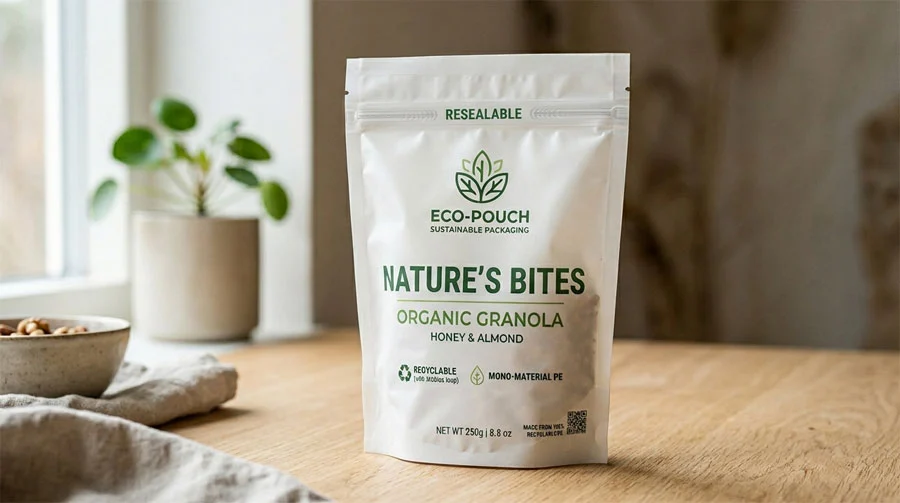
- Recyclable Mono-Material Structures: Environmental considerations have driven innovation in single-polymer constructions that maintain barrier properties while enabling easier recycling. These solutions balance sustainability requirements with product protection needs, addressing regulatory pressures and consumer preferences.
Manufacturing Process Overview
The first step in production is film lamination, which attaches several layers together using glue or extruder covering to make the final barrier structure. Rotogravure printing uses brand images and product details to make accurate copies of up to eleven colours. After being printed, the laminate goes through transforming steps where bags are made, sealed, and given useful features.
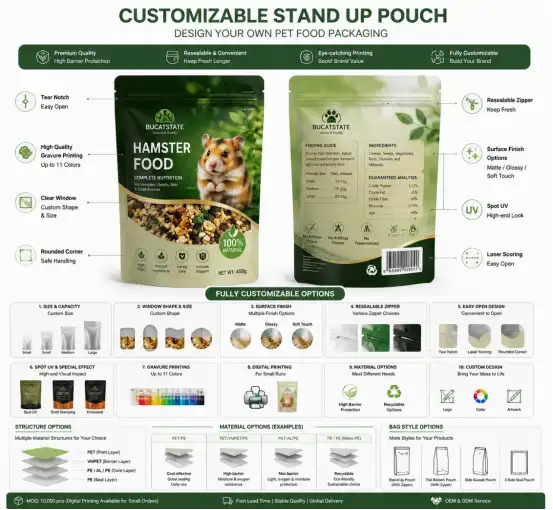
Customisation options for stand up pouches include resealable zippers to keep the product fresh after opening, tear notches to make it easier for customers, hang holes for retail display, and clear windows to see the product inside. Spout fittings can hold liquid or almost liquid products, and degassing valves let carbon dioxide out of freshly roasted coffee without letting oxygen in.
Comparing Stand Up Pouches With Other Packaging Solutions
Advantages Over Rigid Containers
Because they are not as stiff as standard containers like cans, jars, and boxes, flexible bags are much easier to ship and cost less. The material efficiency is clear all along the supply chain: less weight means lower shipping costs and carbon emissions during travel; small storage before filling means less building room is needed; and so on. These things lead to real cost savings, since flexible packaging usually needs 70% less material than rigid formats of the same size.
Making things easier for customers also improves their experience. With resealable closures, you don't need to use extra storage containers because the product stays fresh between uses. Easy-tear openings get rid of the frustration that comes with rigid packages that are hard to open, and the lightweight design makes it easier for people of all ages to handle.
Laminated Versus Non-Laminated Pouches
Knowing the difference between laminated and non-laminated options makes it easier to match the needs of the product to the right packaging. Laminated bags have better protective qualities, tear protection, and structure stability because they have more than one film layer. This design is necessary for goods that need to last longer or be protected from the elements.
Single-layer bags that aren't sealed are used when high barrier performance isn't needed, like for goods with a short shelf life or things that need extra protection. These options are cheaper, but they don't last as long or as well as barriers. Because of this, they're best for promotional packaging or dry goods that don't need to be protected from oxygen or moisture.
Functional Features for Product Differentiation
Because bag designs are so flexible, they can be perfectly matched to the features of the object. Products that are eaten more than once should have resealable zip ends to keep them fresh and stop spills. Degassing valves are designed to meet the special needs of coffee packing. They let newly roasted beans release carbon dioxide while keeping air from breaking down flavour ingredients. Customers are more likely to buy something if they can see what it is before they buy it through clear windows or fully transparent constructions.
Coatings that are resistant to heat and oil solve problems with certain products. For high-temperature tasks like retort preparation for shelf-stable meals, you need special film structures that can handle being sterilised. Oil-resistant layers on the inside of goods that contain natural oils stop fat from moving around, which would otherwise damage the seal.
How to Choose the Right Stand Up Pouches for Your Business
Defining Your Packaging Requirements
To choose the right package, you must first carefully look at the product's features and where it fits in the market. The type of product—dry, liquid, powder, or chunky—determines how the stand up pouches should be made and how they should be sealed. The expected shelf life affects the barrier requirements. Products that are sensitive to moisture need higher levels of protection than stable dry goods. The minimum order quantity that can be made depends on the size of the distribution network, and the budget limits determine which materials and features can be used.
It's just as important to understand your filling process. Automated vertical form-fill-seal machines need different film qualities and size limits than horizontal machines that fill pre-made bags. When you match the specifications of the package to the capabilities of the filling line, you avoid costly production delays and inconsistent quality.
Critical Selection Criteria
Material fit with your product keeps quality problems from happening and makes sure you follow the rules. Materials that come into contact with food must follow FDA or EU rules about chemical migration and keeping food safe from contamination. There are many printing choices, from simple one-color patterns to complicated images with spot UV finishing for extra shelf appeal. Environmental certifications show that a company cares about the environment and meets the needs of retailers in markets that value eco-friendly packaging.
Minimum order amounts are an important thing to think about for new brands and small businesses. Manufacturers usually need commitments on volume that match their production efficiency levels. However, digital printing technologies now allow for shorter runs for testing the market. To balance the initial investment with the costs of keeping inventory, you need to carefully plan your finances so that they are in line with your sales projections.
Industry-Specific Applications
Food and snack makers put a lot of emphasis on barrier properties that keep the texture, flavour, and nutritional value of the food. For coffee and tea, the packaging needs to be able to release gases and keep the aroma. Dried fruits and nuts, on the other hand, need moisture barriers to keep them from going bad. The needs for pet food are similar to those for human food, with extra thought given to bigger package sizes and resistance to punctures during handling.
Anti-static films keep powders from sticking to the inside of pouches, which is useful for supplement and nutritional powder packaging. Zipper seals make doses easier and keep the medicine's strength by keeping air out as much as possible. Customers are more likely to believe a product when it has clear windows or elements that let the whole thing through.
Procuring Stand Up Pouches: From Sample to Bulk Order
Sourcing and Supplier Evaluation
A thorough evaluation of the supplier is the first step in effective procurement. Your production skills must match your number needs and growth goals, and quality certifications prove that manufacturing standards are met and that regulations are followed. ISO 9001 certification shows that quality management is done in a planned way, and BRC and FDA approvals show that food safety measures meet foreign standards.
Communication skills have a big effect on the success of a project, especially when working with makers in other countries. When people talk about technical things like material specifications, barrier testing, and filling line compatibility, they need to use clear language and make sure everyone understands. Suppliers with experience in foreign markets usually have expert teams that speak English and provide a lot of information to help people make smart choices.
Understanding Pricing Elements
Custom printing adds a lot to the cost of stand up pouches, and the number of colours, complexity of the graphics, and printing method all play a role. Rotogravure printing gives better quality for large orders, but it needs cylinder engraving, which has a setup cost that is spread out over the number of orders. Because digital printing doesn't have setup costs, it's cheaper to do short runs, but the price per unit is higher.
Minimum order quantities show the levels of production efficiency at which setup costs are reasonable. Manufacturers try to find a balance between giving customers options and running their businesses efficiently. Depending on how complicated the customisation is, MOQs usually range from 10,000 to 50,000 units. Volume prices encourage people to make bigger promises, which lowers the cost per unit by making better use of materials and lowering the number of times they need to be set up.
Sample Evaluation Protocol
Asking for samples before placing a production order lowers the risk and confirms that the supplier can do what they say they can do. A full evaluation checks the integrity of the material by testing the seal's strength, checking the barrier's properties, and measuring the accuracy of its dimensions. Print fidelity assessment checks the colour reproduction against brand standards. Functional features are tested by real people, who fill out the product and handle it.
The situations used for tests should be similar to those your package will face in real life. Drop testing checks how well the package will hold up during shipping, and shelf ageing at a controlled temperature and humidity level shows if the seals might fail or the material is breaking down. This investment in validation keeps failures that cost a lot from happening after full production commitment.
Industry Trends and Sustainability in Stand Up Pouches
Environmental Innovation and Material Development
There is more and more pressure on the packaging business to protect products without hurting the earth. Biodegradable materials made from green resources could be used in composting, but their performance limits mean they can only be used for goods that need to last a shorter time. More business-friendly options include structures made of one recyclable material that make processing easier after use while keeping the barrier's effectiveness through advanced film technologies.
Lightweighting materials cuts down on the use of resources and pollution from transportation. Engineers are always trying to find the best film thickness and layer building by getting rid of material that isn't needed while keeping the structure strong and the shield working well. These changes help the environment in measured ways and lower the cost of packaging, which is good for both the environment and the economy.
Digital Printing and Design Technology
Digital printing makes high-quality images available to more people than they could have before, when they had to be made in big quantities to cover the costs of setup. Brands can now try multiple design variations without breaking the bank, make products more relevant to specific regions, or put out limited editions without having to pay for expensive printing methods. The adaptability speeds up response times to changes in the market and lets personalisation strategies that build stronger relationships with customers work.
Advanced design software lets you see things in three dimensions before they are made, which lets stakeholders check out how they will look on shelves and how customers will interact with them. This feature cuts down on revision cycles and boosts confidence in decisions, which shortens the time it takes to develop something and keeps the number of expensive fixes made after production commitment to a minimum.
Circular Economy Integration
Forward-thinking brands follow the principles of the circular economy by making packaging that can be used more than once and is easier to recycle. Multi-polymer laminates can be hard to separate, but mono-material designs don't have those problems. This means that more materials can be recycled and recovered. Taking part in extended producer responsibility programs shows care for the earth and gets people ready for rules that will apply all over the world.
Sustainable innovation happens faster when people in the supply chain work together. Suppliers of raw materials, converters, brands, and recyclers are working together more and more to make packaging systems that are better for both performance and processing at the end of their lives. This all-around approach knows that for something to really be sustainable, it needs system-level solutions instead of small improvements here and there.
Conclusion
When choosing the right flexible packaging, you have to think about how to protect the product, make it easy for customers, show off your brand, and be environmentally friendly. Stand up pouches are very flexible because the materials, functions, and designs can be changed to fit the needs of a wide range of industries. Knowing about the qualities of materials, how they can be made, and how they are bought lets you make smart choices that improve the success of your product while keeping costs low. As we move toward more eco-friendly materials and digital customisation, brands can find ways to stand out while still meeting customer needs. Working with experienced makers who offer full technical support, quality standards, and reliable production makes sure that packaging works the same way throughout the duration of a product and for repeat orders.
FAQ
1. What products are best suited for stand-up pouch packaging?
These flexible pouches excel with dry foods including snacks, coffee, nuts, and dried fruits, as well as powders like protein supplements and nutritional products. Pet treats and pet food represent growing applications, while non-food uses include cosmetics, household products, and industrial components. The key consideration involves matching barrier properties and functional features to specific product sensitivity regarding moisture, oxygen, and light exposure.
2. How do I determine the right material structure for my product?
Material selection depends on product characteristics and shelf-life requirements. Moisture-sensitive products require high barrier films like VMPET or foil laminates, while less sensitive products may utilize standard plastic laminates. Products containing oils benefit from specialized barrier constructions preventing fat migration. Consulting with packaging engineers who understand both material science and filling processes ensures optimal specification matching product needs with production capabilities.
3. What minimum order quantities should I expect?
MOQs typically range from 10,000 to 50,000 units for custom-printed pouches using rotogravure printing, reflecting setup costs and production efficiency thresholds. Digital printing enables smaller quantities starting around 1,000-5,000 units, though at higher per-unit pricing. Manufacturers balance customer flexibility against operational requirements, with volume commitments enabling more favorable pricing through improved material utilization and reduced setup frequency.
Partner with an Experienced Stand Up Pouch Manufacturer
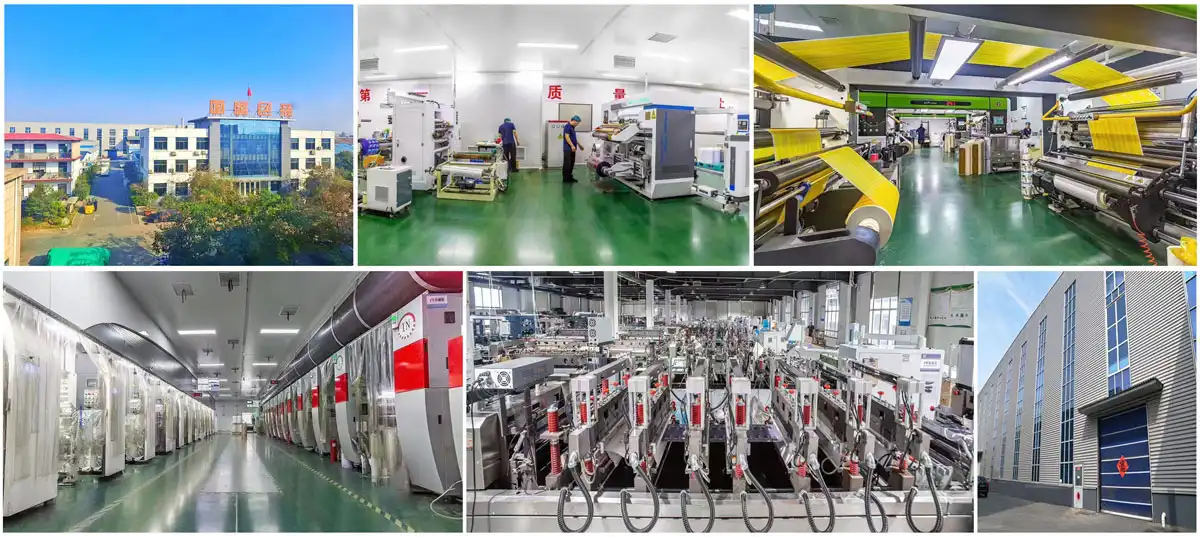
Guoshengli Packaging delivers reliable flexible packaging solutions backed by 25 years of manufacturing expertise serving food, pet food, and health supplement brands worldwide. Our production capabilities include 7 high-speed printing lines, 6 laminating machines, and 49 converting machines, ensuring consistent quality across repeat orders. We offer customizable stand up pouches with advanced VMPET construction providing superior barrier protection, premium spot UV printing for enhanced brand recognition, and fast delivery with lead times as quick as 7 days for urgent requirements. Certified under ISO 9001, BRC, and FDA standards, our food-grade packaging includes recyclable options supporting your sustainability commitments. Contact our technical team at sales@guoshengpacking.com to discuss material selection, design specifications, and production timelines tailored to your procurement requirements.
References
1. Robertson, Gordon L. Food Packaging: Principles and Practice (3rd Edition). CRC Press, 2012.
2. Marsh, Kenneth and Betty Bugusu. "Food Packaging—Roles, Materials, and Environmental Issues." Journal of Food Science, Vol. 72, Issue 3, 2007.
3. Selke, Susan E.M., John D. Culter, and Ruben J. Hernandez. Plastics Packaging: Properties, Processing, Applications, and Regulations (3rd Edition). Hanser Publications, 2016.
4. Yam, Kit L. The Wiley Encyclopedia of Packaging Technology (3rd Edition). Wiley-Interscience, 2009.
5. Coles, Richard and Mark Kirwan. Food and Beverage Packaging Technology (2nd Edition). Wiley-Blackwell, 2011.
6. Hotchkiss, Joseph H. "Food-Packaging Interactions Influencing Quality and Safety." Food Additives & Contaminants, Vol. 14, Issue 6-7, 1997.