- English
- French
- German
- Portuguese
- Spanish
- Russian
- Japanese
- Korean
- Arabic
- Greek
- German
- Turkish
- Italian
- Danish
- Romanian
- Indonesian
- Czech
- Afrikaans
- Swedish
- Polish
- Basque
- Catalan
- Esperanto
- Hindi
- Lao
- Albanian
- Amharic
- Armenian
- Azerbaijani
- Belarusian
- Bengali
- Bosnian
- Bulgarian
- Cebuano
- Chichewa
- Corsican
- Croatian
- Dutch
- Estonian
- Filipino
- Finnish
- Frisian
- Galician
- Georgian
- Gujarati
- Haitian
- Hausa
- Hawaiian
- Hebrew
- Hmong
- Hungarian
- Icelandic
- Igbo
- Javanese
- Kannada
- Kazakh
- Khmer
- Kurdish
- Kyrgyz
- Latin
- Latvian
- Lithuanian
- Luxembou..
- Macedonian
- Malagasy
- Malay
- Malayalam
- Maltese
- Maori
- Marathi
- Mongolian
- Burmese
- Nepali
- Norwegian
- Pashto
- Persian
- Punjabi
- Serbian
- Sesotho
- Sinhala
- Slovak
- Slovenian
- Somali
- Samoan
- Scots Gaelic
- Shona
- Sindhi
- Sundanese
- Swahili
- Tajik
- Tamil
- Telugu
- Thai
- Ukrainian
- Urdu
- Uzbek
- Vietnamese
- Welsh
- Xhosa
- Yiddish
- Yoruba
- Zulu

Stand up pouches deliver transformative advantages throughout the entire packaging supply chain, from production efficiency to end-user satisfaction. These flexible packages combine advanced barrier protection with consumer-friendly design, making them the preferred choice for food brands, pet food companies, and specialty product manufacturers seeking to enhance shelf presence while maintaining product freshness. The benefits span cost reduction through lightweight materials, improved logistics efficiency, extended product shelf life via superior barrier properties, and enhanced brand visibility through customizable printing options—ultimately creating value at every touchpoint from factory floor to consumer pantry.
What Are Stand-Up Pouches and Why They Are Revolutionizing Packaging
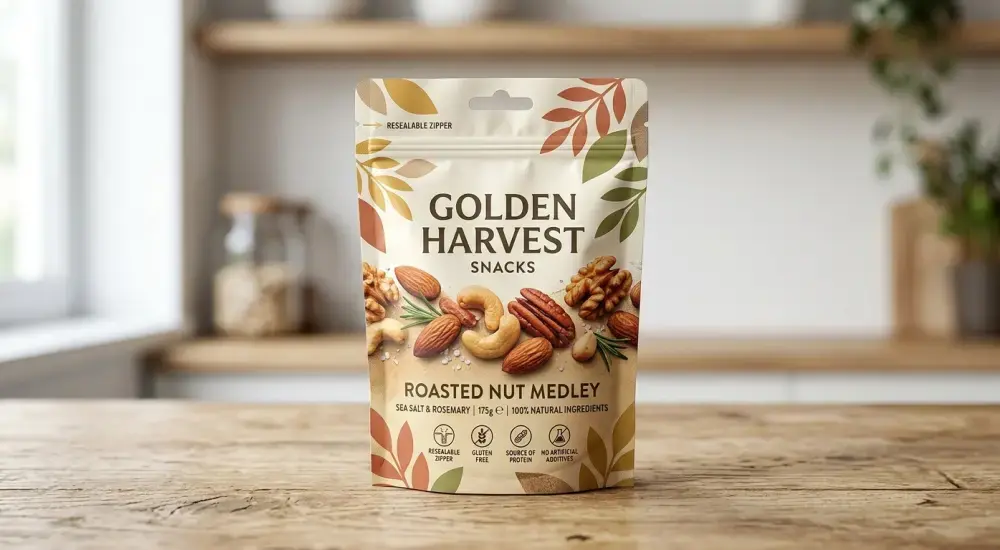
Stand-up pouches are a contemporary packaging choice. They are flexible in construction and feature a gusseted bottom which helps them stand upright on retail shelves. Unlike solid cases, these stand-up pouches are built from many layers of laminated films that combine diverse materials to obtain certain performance characteristics.
Multi-Layer Construction Delivers Performance
Polyester provides strength, aluminium or metalized sheets provide barrier protection and polyethylene provides heat seal. This kind of layering provides for packaging that is light and takes up little space but yet protects what's inside from moisture, oxygen and light. VMPET material is a vacuum-metallized polyester sheet. It’s a fantastic barrier, but not as heavy or hard to dispose of as regular aluminium foil.
Versatility Across Product Categories
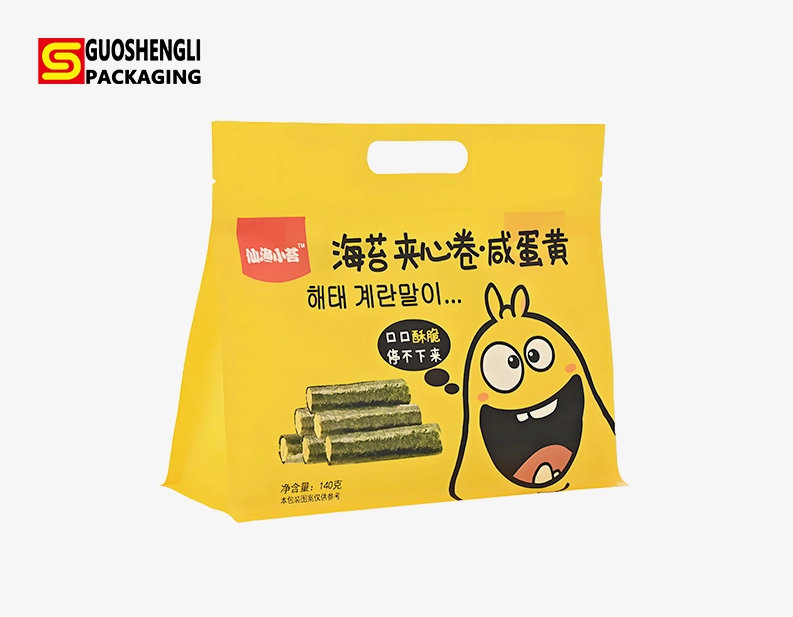
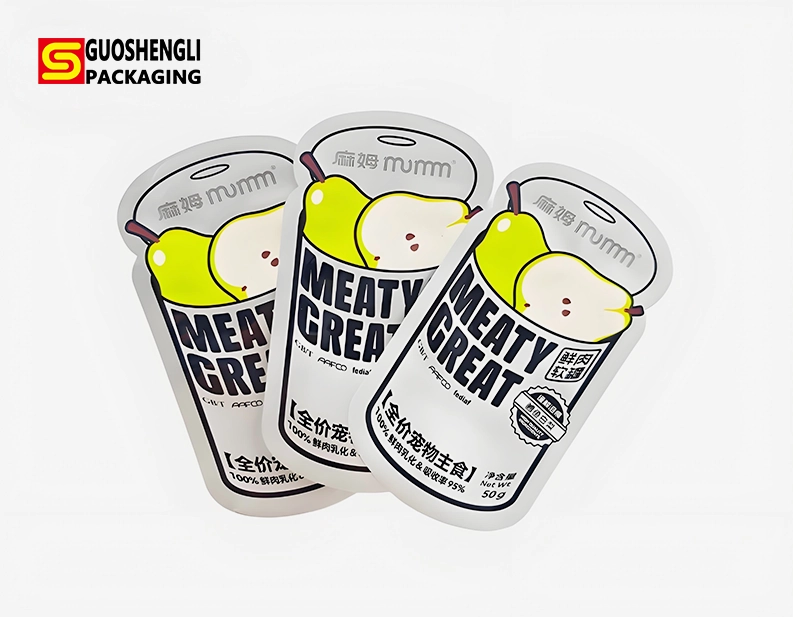
Lots of diverse sectors are adopting these stand-up pouches. They are used for preparing meals, coffee, nuts, dried fruits and snacks. Pet food producers love how re-usable and long lasting they are for treats and supplements. Manufacturers of health foods employ the barrier properties to protect sensitive ingredients such as vitamins and protein powders. The enhanced foot gusset design helps the brand stand out, providing the box a sturdy appearance on the shelf, like hard boxes, but with a lot less material.
Space and Cost Efficiency
Stand-up pouches are substantially lighter than glass jars or metal cans hence the shipping costs are much cheaper. These packages need minimal storage and transportation space before being filled, allowing manufacturers to maximise their warehouse space and lower their logistical expenses. This efficiency leads to lower costs , which is excellent for consumers and producers alike .
How Stand-Up Pouch Packaging Solves Common Packaging Challenges
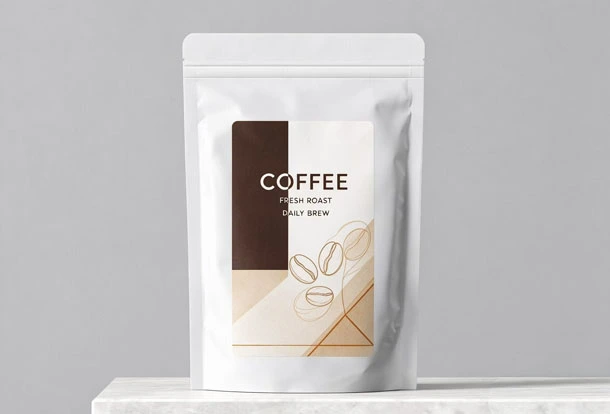
There are a number of challenges with the traditional ways firms pack their goods, particularly when launching new products or when they have many distinct SKUs to monitor. Rigid containers sometimes need vast storage areas, lengthy manufacturing periods and huge minimum order quantities.
Addressing MOQ Concerns for Emerging Brands
Traditional packaging suppliers have high minimum order quantities that make it hard for many new food brands to get started. Digital printing choices from stand-up pouch makers let brands test out new goods without having to buy a lot of inventory. Short runs of 500 to 3,000 units are possible. This gives companies the freedom to test the market and release seasonal products without putting too much money at risk.
Enhancing Consumer Convenience
Resealable zipper closures enable prolonged usage of the product once opened, which is particularly beneficial for snack foods and pet treats. Easy-tear notches make it simpler for the user since there is no need for scissors. It gives customers a way to assess how excellent a product is before they purchase it, which creates confidence and reduces the amount of returns. These helpful features address genuine concerns shoppers are facing, and help things stand out from the cluttered store shelves.
Superior Barrier Protection
Modern lamination technologies make strong shields against outside factors that hurt the quality of a product. Products that don't like moisture, like coffee and dried veggies, stay fresh longer. Oxygen barriers keep flavor compounds from going bad and keep nut-based foods from going rancid. Vitamins and supplements don't break down when exposed to light because they block light. These safe features make goods last longer, waste less, and make sure customers get the best quality.
Supporting Sustainability Objectives
In order to be made, stand up pouches need a lot less raw materials than hard packing. Because fewer materials are used, less energy is used in production, and less fuel is needed for transportation because the goods are lighter. Many companies now make recyclable single-material structures and compostable film choices that are in line with their promises to sustainability and the stricter environmental rules in North American and European markets.
Key Considerations for Procuring Quality Stand-Up Pouches
Choosing the right packaging partner has a big effect on the success of the product, the reliability of the supply chain, and the reputation of the brand. Professionals in procurement should judge providers based on a number of important factors.
Certifications and Compliance
Food-grade certifications are a must for products that are meant to be eaten by people or pets. FDA compliance makes sure that products meet safety standards in the United States. Getting BRC approval shows that you care about food safety management systems. Quality control systems that are strong are what ISO 9001 stands for. Testing by SGS makes sure that the safety and properties of a material are checked by a third party. These certifications lower the risk of regulatory problems and make it easier for people from different areas to get into markets.
Customization Capabilities
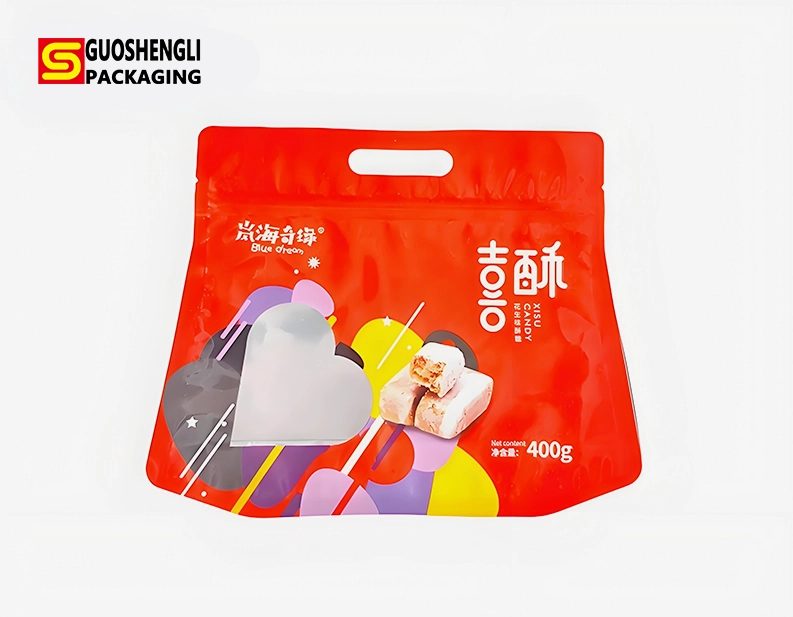
To differentiate a brand, the package needs to stand out both visually and functionally. Suppliers should let customers choose from a wide range of choices, such as different sizes, special barrier formulas, printing with up to 11 colors for complicated graphics, spot UV coating for high-end visual effects, and different ways to close the bags, such as zippers, spouts, and tear notches. Being able to add windows, hang holes, and different forms opens up more artistic options.
Production Speed and Flexibility
When it comes to seasonal or trend-driven products, time-to-market often determines a company's competitive edge. Digital printing manufacturers can send models within 7 to 10 days, which lets designers make changes to their ideas quickly. Standard rotogravure production takes 15 to 20 days to finish, which makes planning for bigger orders easier. Knowing production capacity and wait times helps buying teams plan product launches and keep shelves from running out.
Clear Communication and Technical Support
When buying packages internationally, there are technical requirements, design file needs, and quality standards that need to be communicated clearly. Suppliers who have worked with export markets before know how complicated these markets can be and can help you choose the right materials, make suggestions for the structure, and make sure you're following all the rules. Misunderstandings and production delays that cost a lot of money can be avoided by communicating quickly.
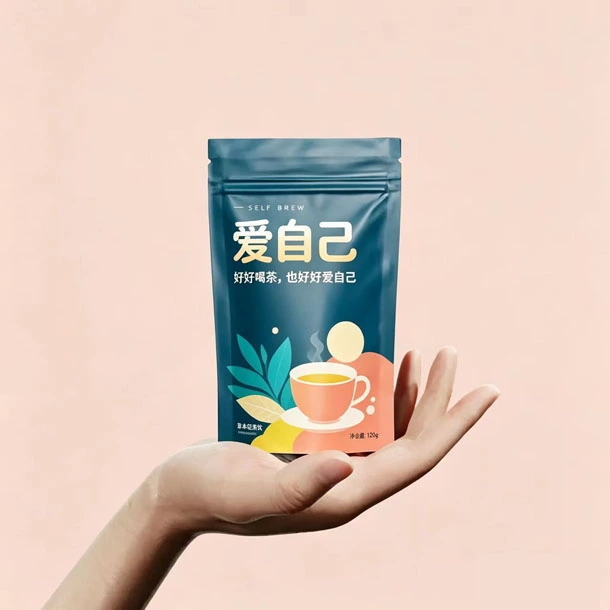
Sustainable Stand-Up Pouches: Aligning Procurement with Environmental Goals
Environmental responsibility used to be something that people could choose to do, but now it's a business must. Consumer study regularly shows that people, especially in European and North American markets, prefer brands that really care about the environment.
Recyclable Material Options
Constructions made of a single material polyethylene make recycling possible thru established programs that collect plastic film. Even tho these materials might not be as good at blocking light as multi-material laminates, with careful engineering, they can still protect a wide range of products. Brands can make it clear on packages that items can be recycled, which will appeal to eco-friendly customers and help them meet their green goals.
Compostable Solutions
Films made from PLA and PBAT can be composted in commercial composting sites. By breaking down totally in the right conditions, these bio-based products solve the problem of how to get rid of them when they're no longer useful. But procurement teams should carefully consider whether these materials offer enough barrier protection and mechanical strength for certain products. Failures of expensive products can be avoided by testing their performance over a long period of time.
Less material consumption
No matter what material is used, stand up pouches are better for the world because it is naturally efficient. Pouches need a lot less raw materials, produce fewer emissions during production, and use a lot less fuel for movement than rigid options. Because of these benefits, flexible packaging is a sensible choice for sustainability, even when using regular materials.
Long-Term Edge in the Market
Brands that use sustainable packaging early on will be in a better position as rules get stricter and buyer standards change. The European Union is still putting in place tighter rules for dealing with packaging trash. A number of U.S. states have passed laws that require producers to take on more responsibility. Today's procurement decisions should take these legal changes into account while still protecting products.
How to Maximize the Benefits of Stand-Up Pouch Packaging for Your Business
To successfully use stand-up pouches, you need to think about more than just choosing the right products. As part of their overall marketing strategy, brands that improve their packaging get big benefits.
Design Integration With Brand Strategy
Packaging is an important way for people to interact with a brand, especially for products that are sold in stores. Custom printing lets you make complex images that show off your brand's values, explain how to use the product, and list its benefits. Spot UV coating adds a tactile element and a sense of quality. Rotogravure printing ensures color precision, which keeps the brand's look consistent across production batches. Transparent windows show off the quality of a product, which makes customers more confident. To make brand experiences that flow together, these design features should work with bigger marketing plans.
Supply Chain Optimization
Adding stand-up pouches to an existing business means keeping track of inventory and planning production. Because empty bags are small and light, they can be used efficiently in warehouses. Figuring out the minimum order quantity helps keep cash flow and inventory needs in balance. Setting up the right reorder points keeps production from stopping. Working with makers that can smoothly increase production helps brands that are growing avoid supply problems during key stages of market expansion.
Testing and Validation
Before starting big production runs, it's safer to do a lot of testing. Samples let you check out how well the material works, how well it prints, and how well it works. Fill line testing makes sure that the new packing equipment will work with the old equipment or finds changes that need to be made. Shelf-life testing confirms how well the barrier works in real-life storage conditions. This validation phase takes time up front, but it saves a lot of money by avoiding problems during full-scale production.
Building Manufacturer Relationships
Long-term value comes from seeing package providers as strategic partners instead of just transactional vendors. Manufacturers with a lot of scientific knowledge can suggest ways to improve materials so that they work better and cost less without sacrificing performance. They can suggest changes to the structure that will make filling more efficient or use less material. Working together to solve problems faster and give priority care when resources are limited are two benefits of collaborative relationships.
Conclusion
Stand up pouches have measurable benefits all along the packaging value chain, from making manufacturing more efficient to making customers happy. The fact that they are bendable means that they use less material and cost less to ship. They also provide great barrier protection that keeps products fresh longer. Premium graphics and useful features like resealable closures help brands stand out thru customization options. Sustainable material choices are in line with customer tastes and environmental rules. These flexible options are much better than rigid ones for procurement workers who want reliable, cost-effective packing that works the same way on repeat orders. By choosing suppliers strategically based on certifications, production skills, and communication standards, you can be sure that the project will go smoothly and help your business grow.
FAQ
1.Are stand-up pouches safe for all food products?
Stand-up pouches made from materials that are approved by the FDA are safe for direct contact with food. The way the material is put together should match the needs of the product. For example, high-fat foods need layers that don't absorb oil, and products that are sensitive to moisture need good vapor barriers. Material safety data and compliance documentation are given by reputable manufacturers.
2.What are typical lead times for custom-printed orders?
Digital printing makes it possible to make samples in 7 to 10 days, which is great for testing designs or making small batches of tests. For bigger production runs, standard rotogravure printing usually takes 15 to 20 days after the drawing is approved. For emergencies, rush services may be available, but planning ahead is the best way to make sure you get the best schedule and the best deal on costs.
3.How do recyclable pouches compare in cost to traditional plastic versions?
When compared to regular multi-layer laminates, recyclable mono-material constructions usually cost a little more, anywhere from 5% to 15% more, based on the volume and specs. But when you look at the total cost, you should think about how it will increase the value of your brand, help you follow the rules, and maybe even protect you from future changes in environmental laws.
Partner With a Trusted Stand Up Pouch Manufacturer
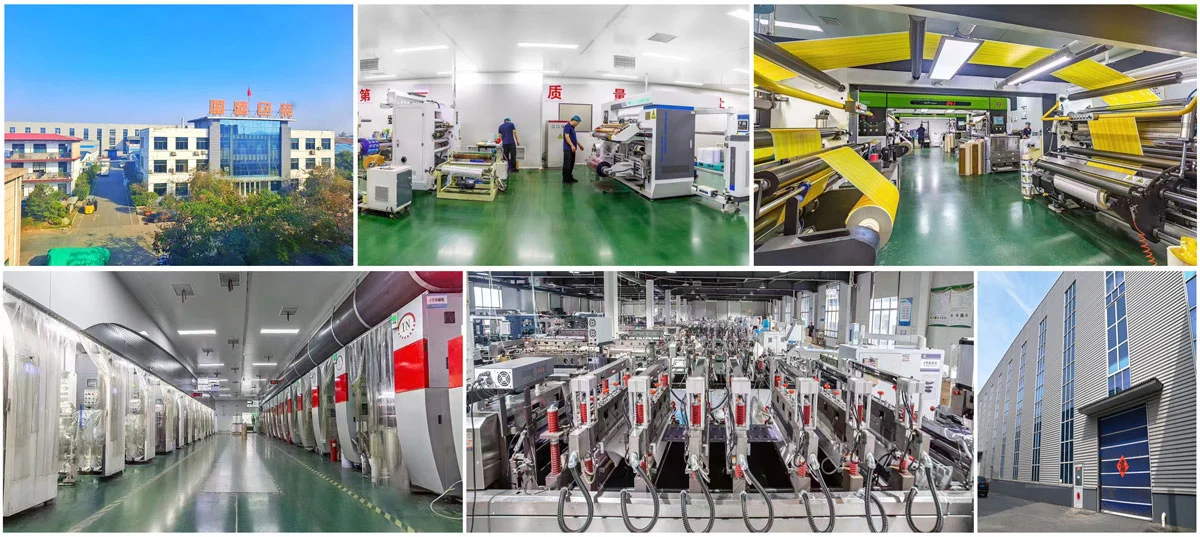
Guoshengli Packaging has been making flexible packaging for more than 25 years and can help brands that need dependable, high-quality packaging options. We can make things with 7 advanced printing lines, 6 laminating machines, and 49 converting machines, so the quality of each order is always the same. We are experts at making unique flexible packaging, like rollstock films and finished bags that are made to fit food, pet food, coffee, and health products.
Our stand up pouches are made of VMPET, which is a better barrier material. They can be printed in up to 11 different colors, and they have useful features like resealable zippers and easy-tear cuts. We keep our FDA, BRC, and ISO 9001 certifications up to date, which lets us provide the compliance paperwork that North American and European markets need. Our production capacity grows as your business does, and our flexible minimum order quantities help new brands get started.
Our team can help you choose the right materials, create the structure, and make sure it meets all the rules for packaging snacks, pet treats, coffee, or specialty foods. Email our packaging experts at sales@guoshengpacking.com to talk about your project needs, ask for samples, or find out how our solutions can help your product stand out on the shelf while keeping quality high.
References
1. Anderson, M. & Chen, L. (2022). Flexible Packaging Technologies: Material Science and Applications. Packaging Engineering Press.
2. Davidson, R. (2023). "Sustainability Trends in Food Packaging: Consumer Preferences and Regulatory Developments." Journal of Packaging Science and Technology, 18(3), 145-162.
3. European Flexible Packaging Association. (2023). Barrier Properties and Shelf Life Extension in Flexible Packaging. EFPA Technical Report.
4. Harper, J. & Williams, K. (2021). Modern Packaging Solutions for Food Safety and Brand Differentiation. Industrial Packaging Publications.
5. Peterson, S. (2024). "Cost-Benefit Analysis of Flexible Versus Rigid Packaging in Consumer Goods." Supply Chain Management Review, 28(1), 34-49.
6. Sustainable Packaging Coalition. (2023). Recyclability and Compostability Standards for Flexible Film Packaging. SPC Guidelines and Recommendations.