- English
- French
- German
- Portuguese
- Spanish
- Russian
- Japanese
- Korean
- Arabic
- Greek
- German
- Turkish
- Italian
- Danish
- Romanian
- Indonesian
- Czech
- Afrikaans
- Swedish
- Polish
- Basque
- Catalan
- Esperanto
- Hindi
- Lao
- Albanian
- Amharic
- Armenian
- Azerbaijani
- Belarusian
- Bengali
- Bosnian
- Bulgarian
- Cebuano
- Chichewa
- Corsican
- Croatian
- Dutch
- Estonian
- Filipino
- Finnish
- Frisian
- Galician
- Georgian
- Gujarati
- Haitian
- Hausa
- Hawaiian
- Hebrew
- Hmong
- Hungarian
- Icelandic
- Igbo
- Javanese
- Kannada
- Kazakh
- Khmer
- Kurdish
- Kyrgyz
- Latin
- Latvian
- Lithuanian
- Luxembou..
- Macedonian
- Malagasy
- Malay
- Malayalam
- Maltese
- Maori
- Marathi
- Mongolian
- Burmese
- Nepali
- Norwegian
- Pashto
- Persian
- Punjabi
- Serbian
- Sesotho
- Sinhala
- Slovak
- Slovenian
- Somali
- Samoan
- Scots Gaelic
- Shona
- Sindhi
- Sundanese
- Swahili
- Tajik
- Tamil
- Telugu
- Thai
- Ukrainian
- Urdu
- Uzbek
- Vietnamese
- Welsh
- Xhosa
- Yiddish
- Yoruba
- Zulu

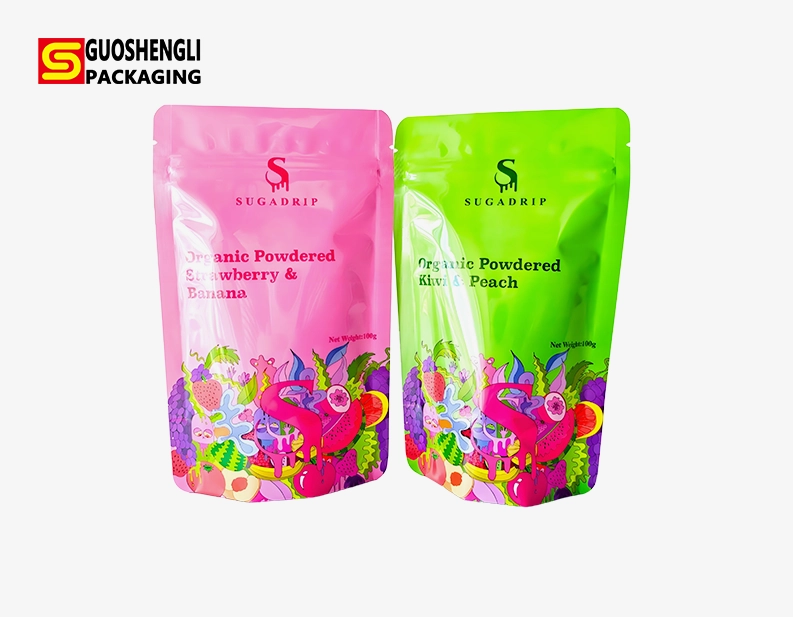
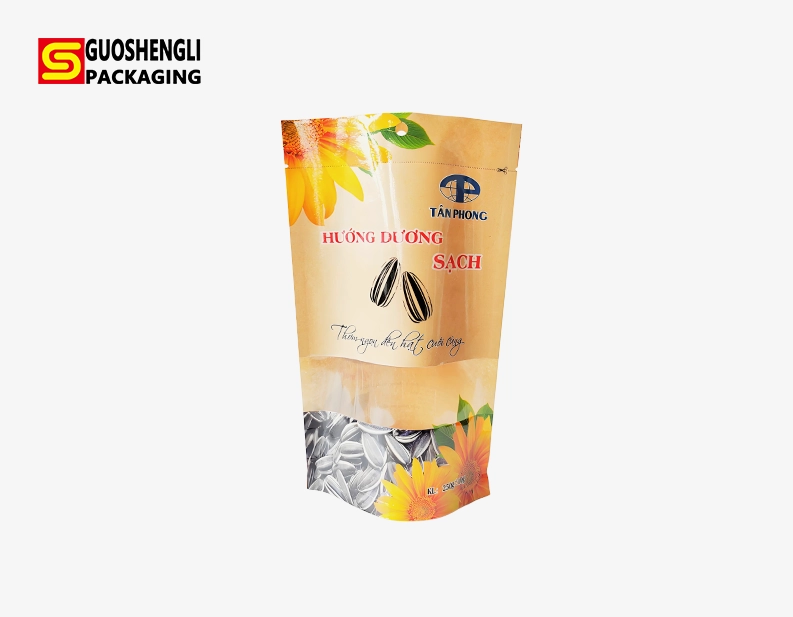
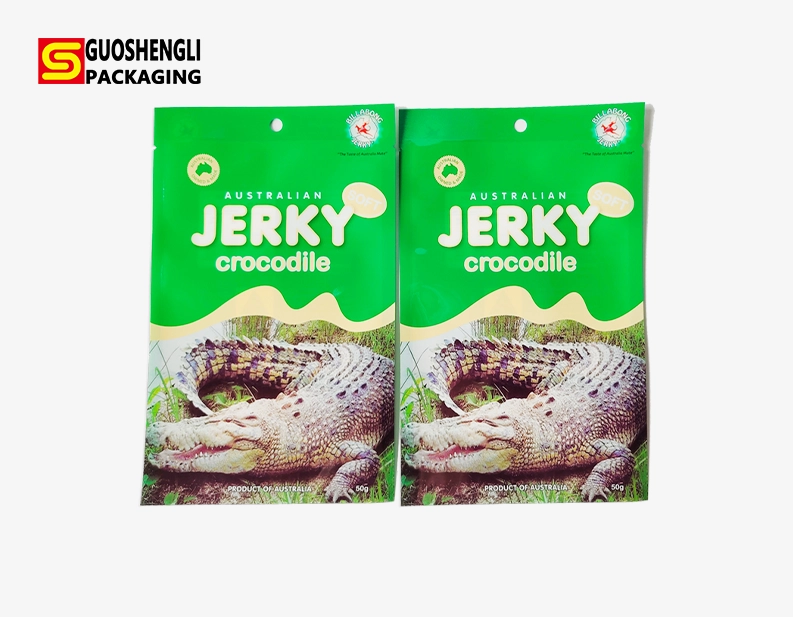
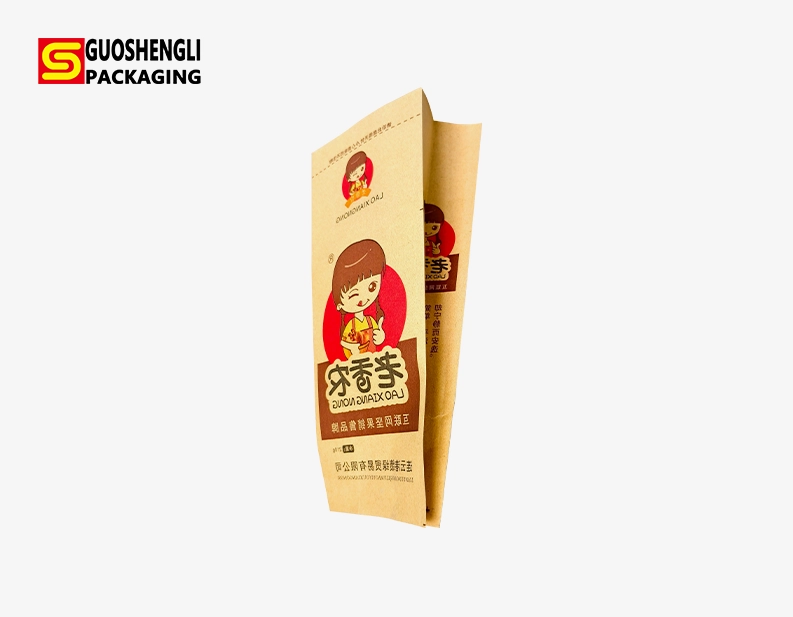
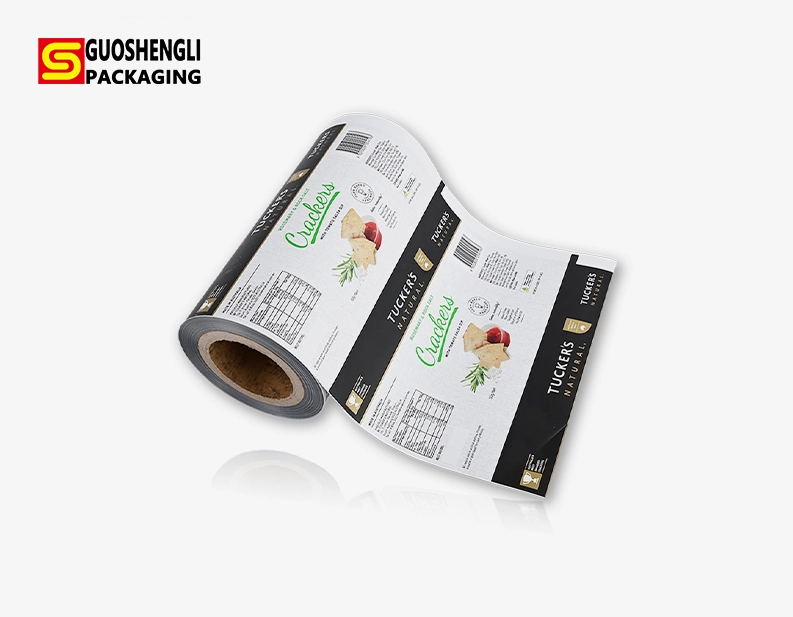
Rollstock packaging represents a sophisticated packaging solution supplied in continuous rolls for automated form-fill-seal operations. Unlike pre-made pouches, rollstock films enable manufacturers to create customized package sizes directly on production lines. High barrier film rollstock specifically refers to multi-layer flexible films engineered with advanced polymer structures—typically incorporating EVOH, metallized coatings, or specialized barrier layers—that dramatically restrict oxygen transmission rates (OTR) and water vapor transmission rates (WVTR). This technology addresses critical challenges in food preservation, extending shelf life for snacks, coffee, and dried goods by 3–9 months while reducing production costs by eliminating pre-made bag purchasing.


Understanding Rollstock Packaging: Definition and Key Properties
Rollstock packaging is now an important part of all automatic packing systems used in food factories around the world. This flexible filmcomes in big rolls that can be put straight into vertical form-fill-seal (VFFS) or horizontal form-fill-seal (HFFS) machines.
What Makes Rollstock Different from Pre-Made Packaging
The main benefit of high barrier film rollstock is that it can be easily added to production processes. Instead of buying thousands of pre-formed bags that take up store space and limit the sizes of packages that can be sent, companies that use rollstock can change the sizes of packages as needed. All of these steps are done automatically: the film unwinds, forms into the pouch shape, fills with product, and seals. This gets rid of the costs of handling and makes inventory simpler, which is especially helpful for medium- to large-sized food companies that have a lot of different SKUs.
Core Properties of High Barrier Film Rollstock
Advanced multi-layer high barrier film rollstock is a big step forward from regular packing materials. The tech behind these films is all about making a sealed space that keeps fragile items safe from damage from the outside world. Nuts and coffee go bad when they are exposed to oxygen, and dried snacks and powders lose their structure when water gets into them. High barrier film rollstock with OTR values below 1.0 cc/m²/24h and WVTR values below 1.0 g/m²/24h make secure boxes that keep the integrity of the product while it is being shipped and displayed in stores.
The choice of material depends on the needs of the application. EVOH layers are very good at blocking oxygen, but they need polyethylene layers around them to keep moisture out. Films that are metalized protect against both gas and moisture and are very good at hiding light. New covering technologies, like aluminum oxide (AlOx) and silicon oxide (SiOx) vapor deposition, make it possible to make structures out of a single material that can be recycled and still work well as barriers while also helping with environmental goals.
Technical Parameters That Impact Production Line Performance
Production managers put a high value on film uniformity because differences have a direct effect on how well the line works. The coefficient of friction (COF), film thickness tolerance, and physical stability of a material all play a role in how quickly it moves thru high-speed equipment or how often it stops. The temperature range for making leak-proof packages without hurting heat-sensitive items is set by the seal strength and the heat seal start temperature (SIT). Puncture resistance, which is measured using ASTM F1306 tests, makes sure that packages can handle the stresses of being handled in logistics and retail settings.
Uses and Benefits of High Barrier Film Rollstock in Packaging
High barrier film rollstock technology is very important for industries that work with products that are sensitive to moisture or oxygen to keep quality standards high and cut down on waste in the supply chain.
Food Manufacturing Applications
Coffee roasters have a hard time keeping the volatile aromatic compounds that make a product good. Standard packaging lets flavors go bad in just a few weeks, but properly designed high barrier film rollstock with built-in degassing valves keep food fresh for an extra 6 to 9 months. Nut makers also fight oxidative rancidity in lipid-rich foods, where oxygen entry leads to off-flavors that make customers complain and send the food back.
Manufacturers of dried snacks like chips, crackers, and dry veggies use moisture barriers to keep the textures from changing. Products that are crispy when they arrive must stay crispy for months on end. Powdered foods and drinks, like protein supplements, drink mixes, and nutritional formulas, need to be kept away from moisture that can cause them to clump and become useless.
Modified Atmosphere Packaging Integration
High barrier film rollstock and modified atmosphere packaging (MAP) methods work together to keep products fresh for longer. After the packages are filled, these systems flush them with a special mix of gasses, usually nitrogen or carbon dioxide, that get rid of air before they are sealed. The role of high barrier film rollstock is to keep this changed environment going for as long as the object is in the store. Without the right barrier qualities, air slowly seeps into the package, undoing the benefits of the original gas flush and causing the food to go bad too soon.
Comparing Performance with Alternative Solutions
When procurement specialists look at different packaging options, they compare how well the barriers work to how much they will cost overall. Standard films are cheaper up front, but they often need stronger gages or extra stabilizers to last as long as they should. Metalized films are great for blocking things out, but they can be hard to recycle in places with strict environmental rules. Although rigid containers offer better protection, they are very expensive to buy, store, and ship because they are so big and heavy.
High barrier film rollstock strikes a balance between these factors by achieving the best protection-to-weight ratio. Thin, light films can act as barriers, which used to require much heavier materials. This means lower costs for materials and shipping, as well as better sustainability measures without lowering the level of safety for the product.

How High Barrier Film Rollstock Works: Functionality and Mechanisms
When buying teams understand the science behind high barrier film rollstock performance, they can choose materials that meet the unique needs of protecting products.
Multi-Layer Construction Principles
High barrier film rollstock that works well uses strategic layering, where each part has a specific job to do. The outer layers give the product mechanical strength, resistance to punctures, and the ability to put brand images. Gas and wetness can't get thru middle barrier layers, which can be made of EVOH, PVDC, or metalized coats. The inner sealant layers provide consistent heat-sealing performance across the temperature ranges that are compatible with the production tools and the characteristics of the product.
How layers interact with each other is just as important as choosing which components to use. When these layers are sealed, the adhesive systems that hold them together must be able to handle thermal stress, mechanical stress, and environmental stress from changes in temperature during distribution. When the layers don't stick together well, delamination problems happen, which weakens the barrier and lets air into the package.
Gas Transmission Dynamics
Molecular oxygen and water move thru polymer films thru a process called diffusion, which is affected by temperature, humidity, and the structure of the material. Barrier layers work by containing materials with closely packed molecular structures that make pathways that are very difficult to move thru, greatly slowing down transmission rates. EVOH's polar structure makes it a great shield against oxygen, while polyethylene's non-polar structure makes it great at blocking wetness. Engineered structures that use a mix of these materials provide balanced protection against a number of environmental factors.
Seal Integrity and Package Performance
Even films with great barrier properties won't work if leaks can get thru the seals. When temperature, pressure, and dwell time are controlled, heat sealing forms molecular bonds between sealant layers. Seal strength testing using ASTM F88 protocols shows that bonds are stronger than the stresses that happen during filling, handling, and distribution. Using vacuum decay or dye penetration to test the security of a package proves that there are no tiny leaks that could let the product break down over time.
Cost Considerations and Purchasing Guide for High Barrier Film Rollstock
When making a procurement choice, you have to weigh the immediate costs of materials against the long-term effects on operations and market success. High barrier film rollstock prices depend on how complicated the material is, how much you need to customize it, how many you order, and when you need them delivered.
Pricing Structure and Cost Factors
When compared to regular films, multi-layer films that contain specialty barrier resins usually cost more. The price difference can be small for basic barrier structures or big for specific uses that need very high barriers or films with special qualities. Volume commitments have a big effect on unit prices. When it comes to well-known goods that people usually buy in bulk, manufacturers who offer these deals are more cost-effective. Due to setup costs and minimum production runs, small trial orders have higher per-unit costs. However, trustworthy sellers see these orders as investments in building long-term relationships.
Cost patterns are affected by the amount of customization. Stock structures with standard sizes and general printing are cheaper than fully tailored solutions that need special widths, different mixtures of materials, custom graphics that need new printing cylinders, and unique functional features. When it's possible, procurement teams try to keep costs as low as possible by using the same packaging platforms for all product lines. Only the most important parts of the packaging, like protecting the product or making the brand stand out, are customized.
Total Cost of Ownership Analysis
In smart buying, the total ownership costs are looked at in addition to the price of the item itself. High barrier film rollstock that keeps food from going bad gets rid of waste costs that cut into profits. A longer shelf life lets more products get to more markets without worrying about the quality of the products. Lessening the need for preservatives makes ingredient labels better, which affects what people choose. These benefits often make the higher prices of the materials worth it by improving the bottom line.
Another important cost factor is how efficiently the goods are made. Films that are designed to work best with machines have less downtime, less scrap during starting and changeovers, and allow for faster line speeds. A film that costs a little more but runs perfectly is more profitable than one that costs less but needs to be stopped a lot and wastes materials.
Supplier Selection Criteria
To find the best package partner, you need to look at more than just price. How well suppliers can grow with their customers and meet urgent needs depends on how much they can produce. Quality management systems, such as ISO 9001, BRC, and food safety standards, show that production processes are uniform and that differences between batches are kept to a minimum. Regulatory compliance documentation for FDA and EU food contact rules makes sure that materials are legal for the places they are meant for.
Technical support skills are important, especially when making new products or fixing problems with production. Suppliers with experienced application engineers can help you choose the right material, find the best seal parameters, and run tests on your production line. With this kind of knowledge, new goods can hit the market faster and production problems can happen less often, which saves money.

Comparing High Barrier Film Rollstock with Other Packaging Solutions
To choose the right packaging material, you need to know the pros and cons of the different methods on the market. When companies switch to designed high barrier film rollstock, they can add more shelf life to their products, use fewer preservatives, make the quality of their products more consistent, and reach more customers.
Barrier Rollstock Versus Standard Films
Standard consumer films made from single- or simple multi-layer polyethylene or polypropylene structures don't have very good barrier qualities, so they should only be used for items that need very little protection. Even tho these materials are cheaper, producers have to make up for it by saying that the food has a shorter shelf life, adding more preservatives, or accepting that the food will go bad faster. Products that are very sensitive to oxygen or moisture don't work well in standard packaging, which makes customers unhappy and hurts the brand's reputation.
Barrier Rollstock Versus Metallized Films
By vacuum-depositing aluminum onto polymer substrates, metallic films are made that have great barrier properties, block light well, and look good because they are metallic. These films work well for many uses, but they can be hard to recycle in places that put that value on it. The thin layer of metal makes recycling more difficult, which limits choices for ending life in places with strict rules about packaging. Modern clear high barrier film rollstock with oxide coatings or EVOH structures provide similar barrier performance while still being able to be recycled in existing polyethylene or polypropylene waste streams.
Sustainable Barrier Options
As brands try to meet consumer expectations and government regulations, environmental concerns are becoming more and more important in the packaging decisions they make. Using different types of polymers in traditional multi-material barrier designs makes recycling harder because it's hard or impossible to separate them with the infrastructure we have now. In response, the industry has come up with new ideas, such as mono-material structures where all the layers are made of compatible polymers that can be recycled.
Biodegradable films made from PLA, PBAT, or other bio-based polymers are another option that can be used in some situations. Industrial waste centers break these things down, which takes care of end-of-life issues. But right now they are more expensive and can't do as well, so they need to be carefully matched to the right application. To get the environmental benefits they promise, brands must also make sure that their target markets have the right infrastructure for composting.
Conclusion
Food companies that use automated production lines can really benefit from high barrier film rollstock. These materials are very important for uses in snacks, coffee, nuts, and dried goods because they keep sensitive items safe from air, wetness, and light while keeping production efficient and cost-effective. When procurement experts know about the technical properties, application needs, and supplier skills, they can make choices that protect the product, improve operating performance, and keep costs low. As the need for sustainability grows, new developments in recyclable barrier structures keep adding more choices for eco-friendly packaging that doesn't lower the standards of product security that make brands quality.
FAQ
1.Which products benefit most from high barrier rollstock films?
Products with oils, fats, or volatile compounds need extra protection from oxygen to keep them from breaking down. With the right high barrier film rollstock, coffee, nuts, snacks, and dried fruits have much longer shelf lives. Powdered foods and drinks, nutritional supplements, and dried ingredients need to be kept from getting too wet so they don't clump and lose their flowability. Quality packaging should be used for any product whose freshness has a direct effect on how customers feel about it and how likely they are to buy it again.
2.Are barrier films recyclable and how does this support sustainability goals?
Recyclability depends on how the material is made. Recycling is hard with traditional multi-layer films that are made of plastics that don't work well together. Modern high barrier film rollstock made entirely of polyethylene or polypropylene types can be recycled in the same way as other materials. Specialized processes, thin oxide coats, or the best layer patterns give these structures their barrier properties. When choosing materials, make sure that the promises of sustainability are based on real environmental results by asking for proof that the materials can be recycled.
3.What lead times should I expect for custom barrier rollstock orders?
Lead times depend on how complicated the design is and how schedules work for production. Fully customized solutions need new printing cylinders, unique combos of materials, or special testing methods. Standard structures with general printing finish faster. Digital printing makes it possible to print smaller amounts more quickly. Planning to place your first orders every three to six months gives you enough time to develop materials, test the line, and make any necessary changes before you commit to full production.
Ready to Optimize Your Packaging Performance with a Trusted High Barrier Film Rollstock Supplier?

Guoshengli Packaging has been making flexible packaging for more than 25 years and can help food producers who need reliable, consistent high barrier film rollstock solutions. Our multi-layer films keep your products safe from oxygen and moisture while working well with both VFFS and HFFS machines. We make sure that all of our products are consistent from batch to batch by following the rules set by the FDA and the EU, getting ISO 9001 and BRC certifications, and having 7 printing lines and 6 sealing machines for production. Our engineering team can help you with everything from choosing the right materials to making the most of your production line. You can talk to our team at sales@guoshengpacking.com about your unique needs, ask for samples, or set up line trials to see how well the product works in real life before committing to a large order.
References
1. Robertson, Gordon L. Food Packaging: Principles and Practice, 3rd Edition. CRC Press, 2012.
2. Selke, Susan E.M., Culter, John D., and Hernandez, Rafael J. Plastics Packaging: Properties, Processing, Applications, and Regulations, 3rd Edition. Hanser Publications, 2016.
3. Coles, Richard and Kirwan, Mark J. Food and Beverage Packaging Technology, 2nd Edition. Wiley-Blackwell, 2011.
4. Marsh, Kenneth and Bugusu, Betty. "Food Packaging—Roles, Materials, and Environmental Issues." Journal of Food Science, Vol. 72, No. 3, 2007.
5. Yam, Kit L. The Wiley Encyclopedia of Packaging Technology, 3rd Edition. John Wiley & Sons, 2009.
6. Brody, Aaron L. and Marsh, Kenneth S. Encyclopedia of Packaging Technology, 2nd Edition. John Wiley & Sons, 1997.