- English
- French
- German
- Portuguese
- Spanish
- Russian
- Japanese
- Korean
- Arabic
- Greek
- German
- Turkish
- Italian
- Danish
- Romanian
- Indonesian
- Czech
- Afrikaans
- Swedish
- Polish
- Basque
- Catalan
- Esperanto
- Hindi
- Lao
- Albanian
- Amharic
- Armenian
- Azerbaijani
- Belarusian
- Bengali
- Bosnian
- Bulgarian
- Cebuano
- Chichewa
- Corsican
- Croatian
- Dutch
- Estonian
- Filipino
- Finnish
- Frisian
- Galician
- Georgian
- Gujarati
- Haitian
- Hausa
- Hawaiian
- Hebrew
- Hmong
- Hungarian
- Icelandic
- Igbo
- Javanese
- Kannada
- Kazakh
- Khmer
- Kurdish
- Kyrgyz
- Latin
- Latvian
- Lithuanian
- Luxembou..
- Macedonian
- Malagasy
- Malay
- Malayalam
- Maltese
- Maori
- Marathi
- Mongolian
- Burmese
- Nepali
- Norwegian
- Pashto
- Persian
- Punjabi
- Serbian
- Sesotho
- Sinhala
- Slovak
- Slovenian
- Somali
- Samoan
- Scots Gaelic
- Shona
- Sindhi
- Sundanese
- Swahili
- Tajik
- Tamil
- Telugu
- Thai
- Ukrainian
- Urdu
- Uzbek
- Vietnamese
- Welsh
- Xhosa
- Yiddish
- Yoruba
- Zulu

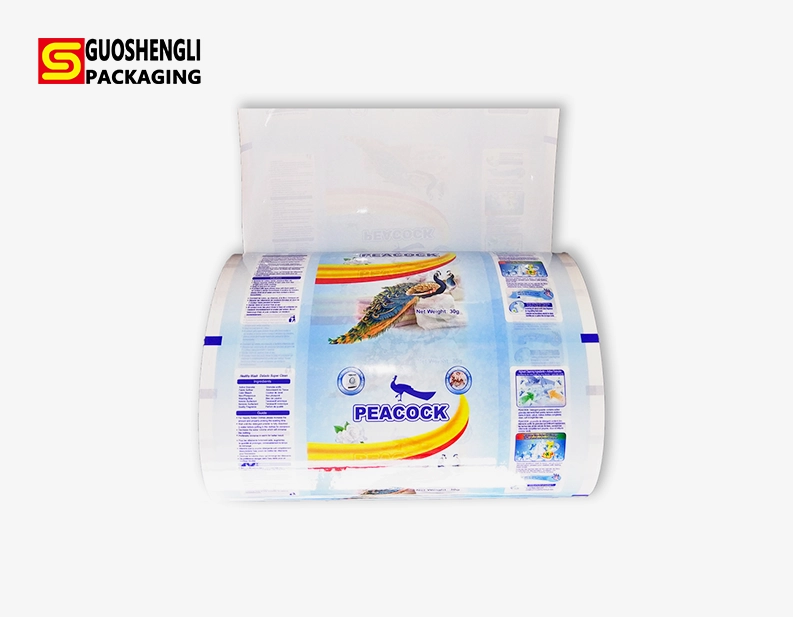
Strong choices for barrier film procurement are manufacturers that prove their performance with data, run stable production, and support your filling line. When buying high barrier film rollstock, look for measured oxygen and moisture transmission rates, consistent web width and thickness, food-contact compliance, and fast technical response. Integrated converters, custom specialists, and certified food packaging suppliers each fit different needs. I recommend testing every candidate on your own machine before you commit. Below, I explain how to judge each factor and where Guoshengli Packaging fits.

What Defines a Strong High Barrier Film Rollstock Company?
Measurable Barrier Performance
A good service provider will give you a list of the barrier numbers and the test method that was used to find them. People often use ASTM F1927 to find the oxygen transmission rate (OTR) and ASTM F1249 to find the water vapor transmission rate (WVTR). Only hearing "high barrier" in a quote is not enough. You need to see the data sheet. Coffee, nuts, and snacks will stay fresh longer if the numbers are lower. This is because air and water can't get in as quickly. Ask about the weather and humidity of the test as well. Things made of EVOH don't work the same way when the humidity is high. It's fair for your quality team to compare high barrier film rollstock deals if they have good data.
Manufacturing Control and Traceability
After two tries, a movie might not work the third time around. When someone buys something, they should find out if the supplier has a single quality system that does testing, printing, laminating, and slitting. It's important to keep track of batches in this case. If a roll is what's wrong, the plant should be able to connect it to a lot of different materials and a production date. Food packing approvals like ISO 9001 and BRC show that there are systems that have been checked out. The parameters on the line don't need to be changed as often when thickness and color don't change from batch to batch.
Machine Compatibility and Technical Support
It doesn't matter how strong the film is; a vertical or horizontal form-fill-seal machine can still go through it. Few of the most important checks are the coefficient of friction, the web-width tolerance, the seal initiation temperature, and the hot tack. A good company will ask about your machine type, bag size, and speed when they give you a price. A quick fix is also helpful, since every hour of downtime costs more than a small price difference per kilogram. A lot can be learned from the technical questions a provider asks during the quote process. These questions can help you plan the first trial well.
Which High Barrier Film Rollstock Materials Should Buyers Compare?
EVOH, Metallized Film, and Aluminum Foil
The strength of each barrier layer is different. Converters usually put EVOH between layers of polyethylene or polypropylene because it doesn't like water and blocks oxygen well. Metallic films are a cheaper way to protect against light and water than foil. Light, air, and water can't pass through aluminum foil laminates, which is why they're best for oily snacks and coffee. You can choose from a lot of options based on price, shelf life, and how sensitive the product is. You might have to pay too much for a machine that makes dry pasta if it works for potato chips.
Clear and Opaque Structures
Shoppers can see the item through clear films that block light or dark films that block light. Foods that aren't clear can help with nuts and coffee because light makes fat burn faster. If you use EVOH layers or coats like AlOx or SiOx, clear choices keep their barrier properties even without foil. A thin protective layer can get damaged during shipping if it bends and cracks a lot. This is something you should also check. When the film is flat and when it is bent, it still works as a shield. You should think about how something looks, how much it costs, and how safe it is all at the same time.
Recyclable Mono-Material Options
A lot of brands now want High Barrier Film Rollstock that can be used again and again. Recycling streams can go through structures made of a single material, like polyethylene or polypropylene, and barrier coatings. The level of barrier may be different from foil laminates, though. Before you move, it's smart to find out how long your product will last. Check the machine's speed and the seal's effectiveness as well, as single-material films may react differently with closing jaws. There are 100% reusable packing options at Guoshengli packing. Before making a large order, we suggest testing them out to make sure they work.

How Should Buyers Compare Suppliers and Spot Red Flags?
Parameters to Put in Your Comparison Sheet
You should make one sheet with the same questions on it so that you can give each seller a score. ATR and WVTR, test conditions, seal strength (often tested under ASTM F88), seal window, thickness and width tolerance, roll diameter, core size, and certifications should all be on this list. Give details about your business, like the minimum order quantity (MOQ), sample policy, lead time, and how the goods will be packed to be sent abroad. If you use the same criteria, price doesn't become the most important thing. They might charge a little more per square meter, but when stoppages and waste are taken into account, they may still charge less per finished package.
Warning Signs During Quoting
Be wary of a seller who says they have barrier results but doesn't say what test method or amount they used. Giving general answers about inks, food contact, or adhesives can show that people aren't following the rules. Cheap prices might be because the raw materials aren't even or the quality hasn't been checked well enough. People who respond slowly and make the same mistakes in specs during sampling often do the same things in production. It might be a good idea to ask each choice how it handles issues with the seal, stickers coming off, and print mistakes. The plant has a written corrective action process that shows how they fix problems in a planned way.
Total Cost Per Finished Package
The price per kilogram doesn't tell the whole story. Do not forget the film waste from the switchover, the rejected packs, the downtime, the freight, and the lost goods that went bad too soon. Some films can cut down on returns and stops. For example, films that make food last longer on the shelf can cut down on returns. Get a trial report from each supplier that shows how fast the machine works and how much waste it makes. You can find out how much each pack costs so that you can compare prices for high barrier film rollstock from different places.
Which Companies Are Strong Choices for Different Procurement Scenarios?
Integrated Manufacturers for Volume Programs
Printers that are integrated can print, seal, and convert all in one place. This set-up works well for food factories that make a lot of food because one partner controls the process and has the capacity to do so. People who use automated lines every day and can't afford rolls that aren't regular should buy from these sellers. Find out what kinds of tools are there and what the quality scores are. After that, check the site or watch a video to be sure. Also, it takes less time to talk to people about finding a flaw when production is integrated.
Custom Specialists for Complex Projects
For new goods, structures that aren't common, or smaller runs, custom experts can fit them. Most of the time, they change the layers, lengths, and finishes to fit a certain filling machine. They can test a number of designs for you before you choose one for your new coffee or snack line. However, there may not be much room, so find out ahead of time how long it will take to replace. Because the seller's MOQ can change, you can test a structure without having to keep a lot of stock.
Distributors and Certified Suppliers
It's helpful to have export wholesalers keep stock in the area when you need to restock fast. Keep an eye on the original papers from the plant, as the distributor may not be in charge of making the goods. Certified companies that package food should have FDA and EU food-contact declarations, records of traceability, and proof that they are ready for an audit on hand. People in the U.S. can check 21 CFR Part 177 to see if the materials they want to buy are in line with FDA rules for food-contact polymers. As much as possible, try to match the speed of the distributor with paperwork from the plant.
How Can Procurement Teams Qualify a Supplier?
Write a Clear RFQ
It saves weeks of work to have a clear request for quotes. You should list the type of product, the bag format, the shelf life goal, the structure, the thickness, the width, the OTR and MVTR goals, the seal strength, the printing needs, the machine model, the yearly volume, and the location. Then, providers can charge for the right film instead of a standard one. Technical fit, compliance, price, capacity, and service are some of the factors that can help your team agree on a choice. Plant managers, engineers, and quality staff can work together better when they share the scorecard within the company.
Run the Machine Trial
The trial is the most important gate. This is the first test to see how strong the shield and seal are in the lab. After that, make your own packing line and put them through it. Keep an eye out for waste, speed, film breaks, and leaky seals. Write down what the operator says about how the film runs. We may need to check the filling, shipping, and storage during this step, which can take two to four weeks. If the supplier helps with the test by suggesting parameters, that shows that they are a professional engineer.
Pilot Order and Reorder Planning
Before you place a big order, make a small one to see how consistent the rolls are, how well the delivery works, and how well the paperwork is done. Next, agree on predictions, reorder points, and rules for change alerts. This will make sure that the process never changes in a way that is important or unexpected. Having a backup supply plan makes it less likely that your line will go down while crossing the ocean. Check in with the supplier often to see how things are going. This makes sure that you always have enough High Barrier Film Rollstock as your business grows.
Why Is Guoshengli Packaging a Strong Choice?

Product Strengths
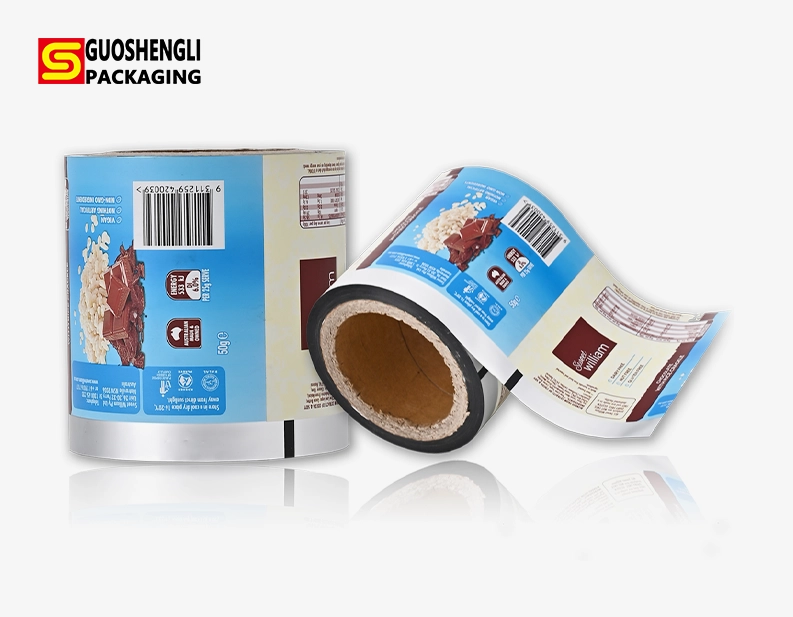
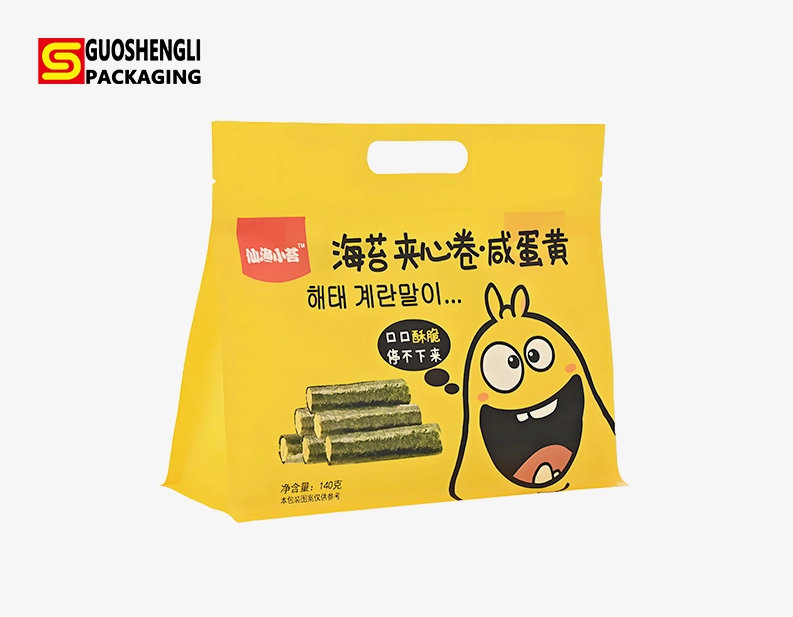
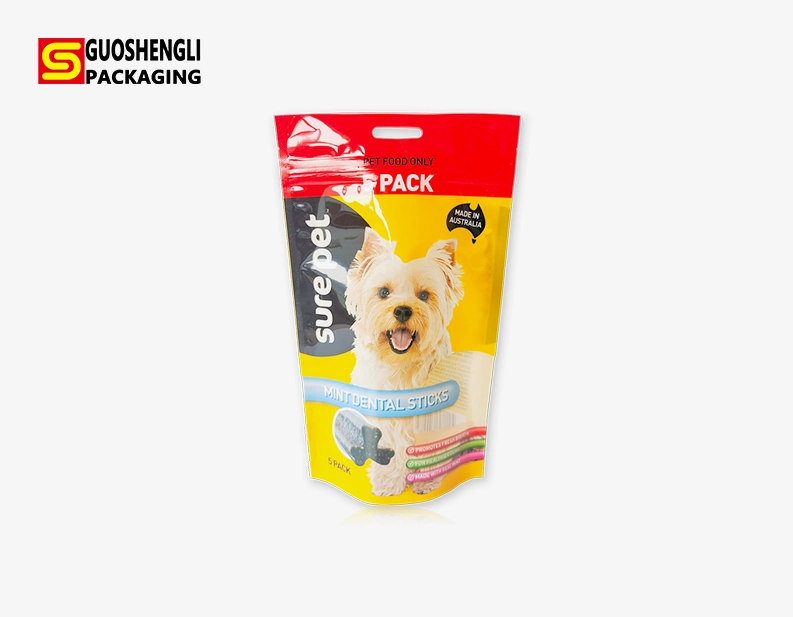
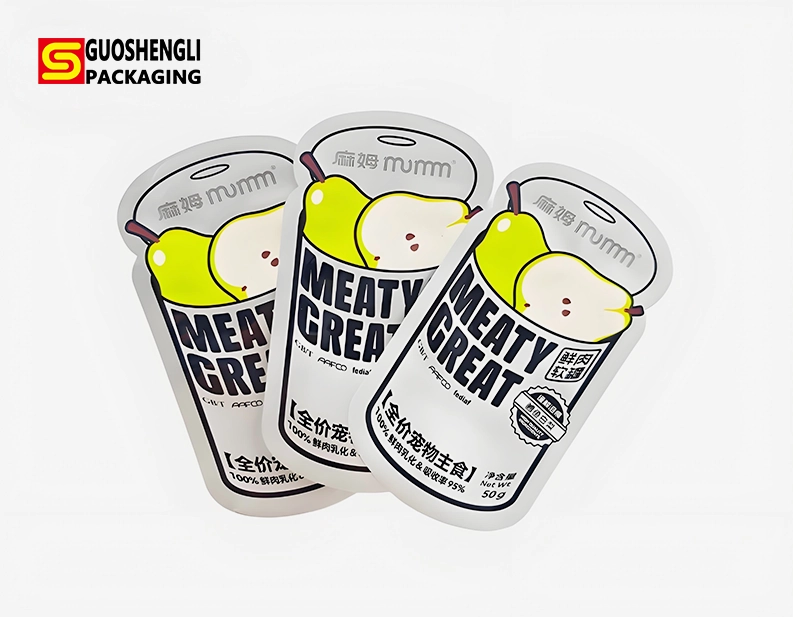
Guoshengli Packaging has been making flexible packaging for more than 25 years. Our high barrier film rollstock is made up of many layers that keep air and wetness out. You can put coffee, snacks, dry meals, and pet food in it. The film can be made with form-fill-seal machines, and it comes in a range of widths, thicknesses, and finishes. Following the rules for food contact meets the needs of both the FDA and the EU. We make sure that every detail of our rollstock fits your product and your tools. Food makers and brand filling lines use it as packaging.
Production Capacity and Lead Time
Our factory has 6 laminating machines, 7 printing lines, and 49 units that change the shape of things. Up to 11 colors can be used in rotogravure printing. You might get your rollstock in as little as 10–15 days. Rotogravure printing takes 15–20 days to finish, while digital printing only takes 7–10 days. You need to make sure you don't miss work because plane delivery takes 4–5 days. With these numbers, buyers can plan for test sales and quick restocking.
Quality Systems and Customers
We have ISO 9001, BRC, and SGS certifications, and we test every batch to make sure the barrier works well and the seal is strong. Responsible production is helped by the technology we brought in to treat RTO waste gas. Packers from the US, Europe, and Australia are people we've worked with for a long time. So that your line engineers can get clear technical answers before the first order, our team helps you pick the right materials, build barriers, and get ready for tests.
Conclusion
It's a good idea to buy barrier film from companies that test it for performance rather than just saying it's good. People who want to buy something should use certain test methods to check OTR and MVTR, find out how sensitive the product really is, and compare the price per kilogram to the total cost per finished package. Sometimes it's a good idea to work with integrated manufacturers, custom specialists, or certified distributors. There are red flags when test data is missing, compliance isn't clear, and expert answers take a long time. By going through an RFQ, lab test, machine trial, and pilot order in a certain order, the risk is smaller and the line stays open. The best partner gives you rollstock that you can use for more than one sale.
FAQ
1. How do I choose between EVOH and aluminum foil?
When you want to keep food from going bad and make it last longer, like with coffee, use foil. Pick EVOH or treated clear films if you want to see through them or keep their weight down. Try both of them out with your goods.
2. Which barrier values should I request?
Find out the test temperature and humidity, as well as the seal strength and friction coefficient. Also, ask for OTR and WVTR. They show how to keep machines safe and how they work.
3. Why should I run a machine trial?
A film's ability to follow your line speed, seal it, and handle it well is not shown by lab statistics. You can do a test run to find waste, film breaks, and seal leaks before you place a big order.
CTA

Are you ready to find a high barrier film rollstock source by using real data? Guoshengli Packaging has special rollstock, a flexible minimum order quantity, and designs that are okay with both the FDA and the EU. The product name, film width, machine type, and shelf life you want should be sent to sales@guoshengpacking.com. We'll help you pick out a structure and get samples ready for the line trial. Visit guoshengpack.com to find out more.
References
1. ASTM International, ASTM F1927 Standard Test Method for Determination of Oxygen Gas Transmission Rate, 2020
2. ASTM International, ASTM F1249 Standard Test Method for Water Vapor Transmission Rate Through Plastic Film and Sheeting, 2020
3. ASTM International, ASTM F88/F88M Standard Test Method for Seal Strength of Flexible Barrier Materials, 2021
4. U.S. Food and Drug Administration, 21 CFR Part 177 Indirect Food Additives: Polymers, 2023
5. Robertson, G.L., Food Packaging: Principles and Practice, CRC Press, 2012
6. Lange, J. and Wyser, Y., Recent Innovations in Barrier Technologies for Plastic Packaging, Packaging Technology and Science, 2003