- English
- French
- German
- Portuguese
- Spanish
- Russian
- Japanese
- Korean
- Arabic
- Greek
- German
- Turkish
- Italian
- Danish
- Romanian
- Indonesian
- Czech
- Afrikaans
- Swedish
- Polish
- Basque
- Catalan
- Esperanto
- Hindi
- Lao
- Albanian
- Amharic
- Armenian
- Azerbaijani
- Belarusian
- Bengali
- Bosnian
- Bulgarian
- Cebuano
- Chichewa
- Corsican
- Croatian
- Dutch
- Estonian
- Filipino
- Finnish
- Frisian
- Galician
- Georgian
- Gujarati
- Haitian
- Hausa
- Hawaiian
- Hebrew
- Hmong
- Hungarian
- Icelandic
- Igbo
- Javanese
- Kannada
- Kazakh
- Khmer
- Kurdish
- Kyrgyz
- Latin
- Latvian
- Lithuanian
- Luxembou..
- Macedonian
- Malagasy
- Malay
- Malayalam
- Maltese
- Maori
- Marathi
- Mongolian
- Burmese
- Nepali
- Norwegian
- Pashto
- Persian
- Punjabi
- Serbian
- Sesotho
- Sinhala
- Slovak
- Slovenian
- Somali
- Samoan
- Scots Gaelic
- Shona
- Sindhi
- Sundanese
- Swahili
- Tajik
- Tamil
- Telugu
- Thai
- Ukrainian
- Urdu
- Uzbek
- Vietnamese
- Welsh
- Xhosa
- Yiddish
- Yoruba
- Zulu

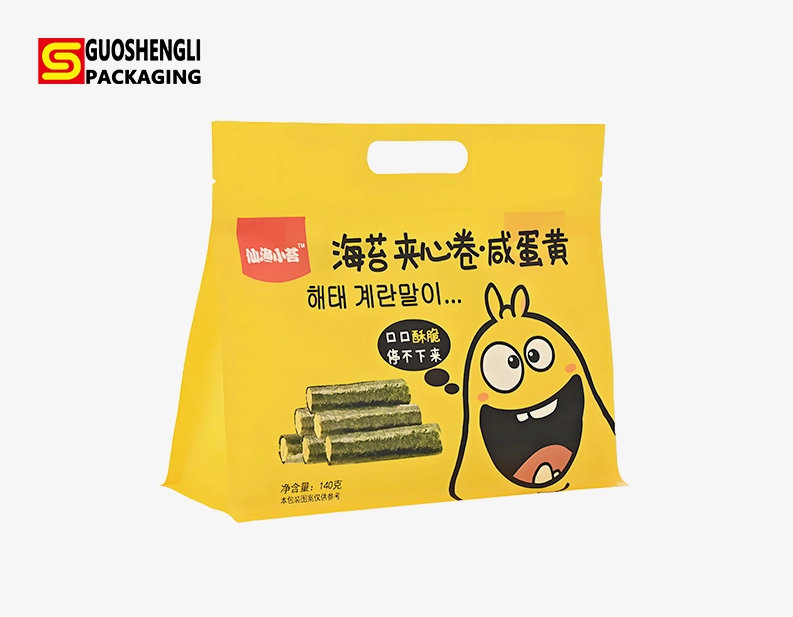
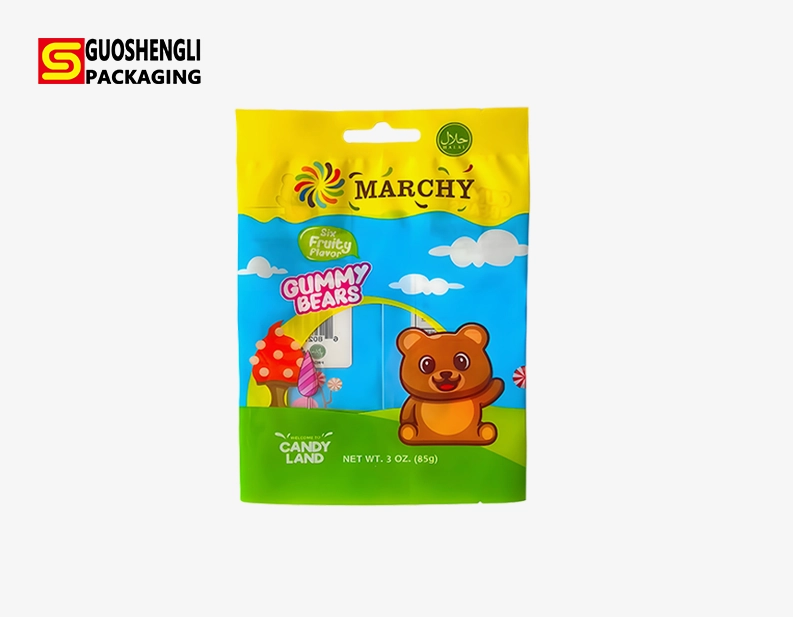
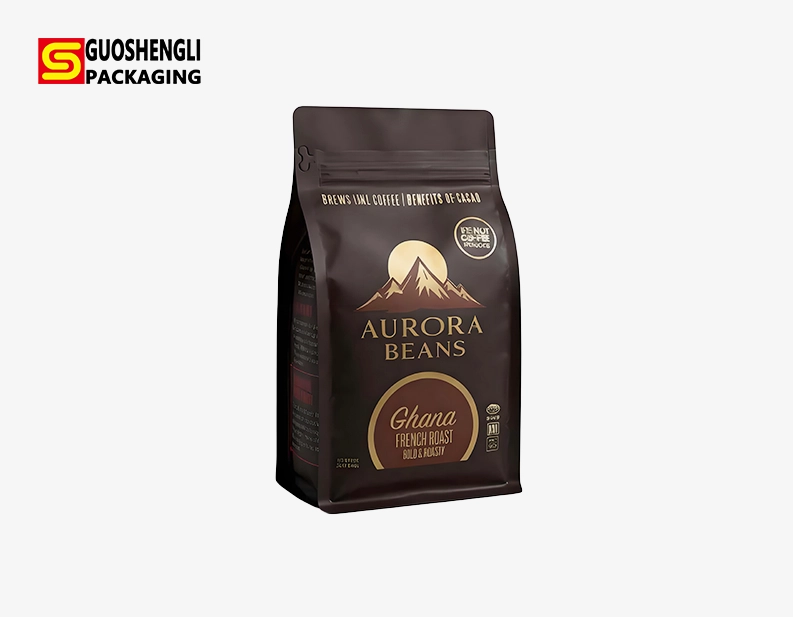
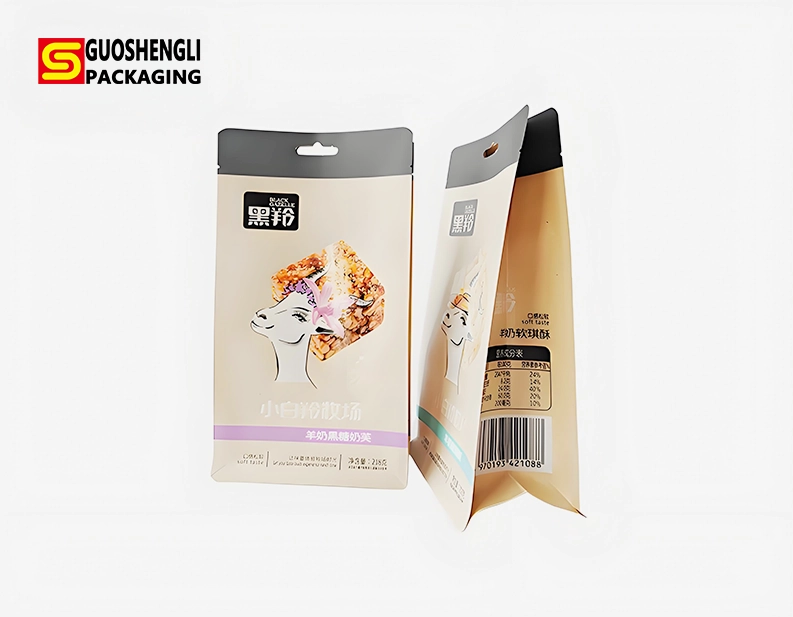
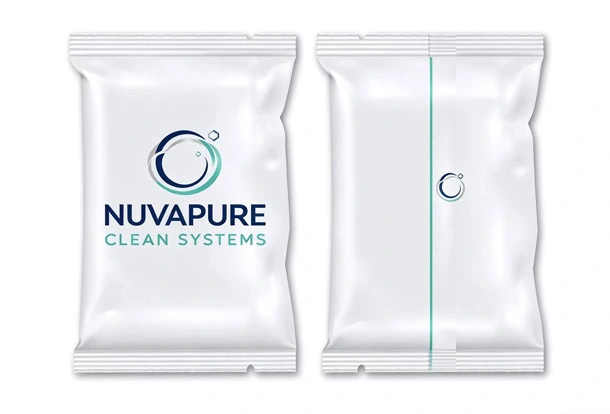
A fin seal pouch — also called a pillow pouch or back seal pouch — is a flexible packaging format where film is folded and the inner surfaces are bonded together, creating a protruding "fin" seam along the back panel. This interior-to-interior seal method delivers a more robust atmospheric barrier than traditional lap seals, making it the go-to format for food manufacturers running high-speed VFFS and HFFS lines. From candy and chips to protein powder and frozen foods, the fin seal pouch combines hermetic protection, high-speed machine compatibility, and full 360-degree print real estate in one efficient structure.
Understanding Fin Seal Pouches
What Sets This Seal Apart
The upper layer of a lap seal connects to the inner layer. The inner surfaces of two fin seal pouches are joined together. With this set-up, your barrier layers will face inward, keeping areas where the product will touch other things clean. This makes the seal stronger and more uniform, and it works well during nitrogen flushing and modified atmosphere packing (MAP). ASTM F88 testing standards say that well-designed fin seal pouches usually have higher burst and peel strengths than lap seal options. This is very important on a line that is going 100+ packs per minute.
Material Structure: What Goes Into Each Layer
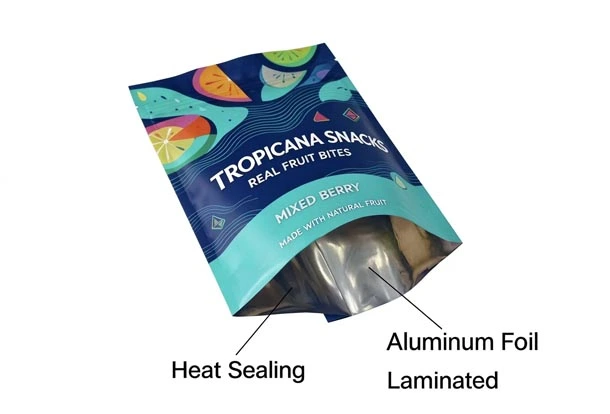
There are three useful zones built into the laminate structure of a fin seal pouch. This is how the layers fit together:
- Outer Layer (PET / Matt PET / BOPP): This layer supports printing, has good tensile strength, and looks good. It can hold your artwork through up to ten colors of rotogravure printing without losing its rigidity.
- Middle Barrier Layer (NY / MET-PET / AL / EVOH): This is the structure's main part that does all the work. Depending on how long you need your product to last, aluminum foil, metalized PET, nylon, and EVOH all have different oxygen transmission rates (OTR) and water vapor transmission rates (WVTR).
- Inner Sealant Layer (PE / CPP / LLDPE / Recyclable PE): This layer needs to be able to reliably close against heat within a certain temperature range. In this case, the coefficient of friction (COF) also controls how easily film moves over forming collars on automated packing lines.
Brands that have to be environmentally friendly can choose from recyclable mono-PE structures and compostable PLA/PBAT films, all without affecting the seal's strength or the speed of the run.
Key Benefits of Fin Seal Pouches for B2B Applications
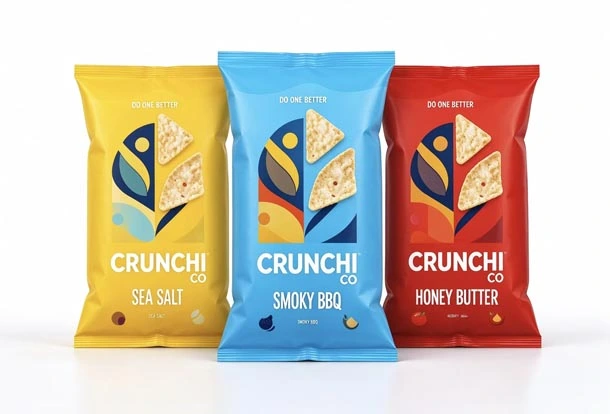
Pillow pouches are good for business in more ways than one for procurement managers who are looking for packaging for large-scale food production. Because of its speed benefits, this style is always a good choice for large-scale use:
- High-Barrier Freshness Protection: Multiple layers of laminates stop the movement of oxygen, moisture, and smells. This has a direct effect on lowering the number of spoilage claims and returns, which has a measured effect on the net profit for companies that make sweets and snacks.
- High-Speed Line Compatibility: Fin seal pouches are designed to work with VFFS and HFFS automation. Static charge control, tight dimensional limits, and consistent film flatness all work together to cut down on stoppages and reel switching time on lines that run at high cycles per minute.
- Lower Per-Unit Packaging Cost: Roll-fed technology and efficient use of materials cut down on trash and labor costs. When the MOQ is as low as 10,000 pieces, the cost per unit drops by a lot compared to ready-made options.
- Retail-Ready Customization: This style works with clear windows, euro holes for peg display, tear cuts, and zippers that can be closed and opened again. Without having to change the type of bag, these features make it easier to see what's on the shelf.
- Sustainability Alignment: PE structures made of a single material that can be recycled and films that can be broken down by nature help purchasing teams meet their companies' environmental goals and follow the changing rules for packaging in the US and EU markets.
All of these benefits lower the total cost of ownership at every stage of production, from making the line run more smoothly to making sure customers are happy with the result.
Comparing Fin Seal Pouches with Other Pouch Types
Choosing the right flexible packaging format requires understanding where each option performs best. The table below provides a practical comparison for B2B procurement decisions:
| Pouch Type | Seal Position | Resealable | Best For | Relative Cost |
|---|---|---|---|---|
| Fin Seal (Pillow) | Back center | Optional zipper | High-speed FFS lines, snacks, powders | Low–Medium |
| Stand-Up Pouch | Bottom gusset | Yes (zipper) | Retail shelf presence, larger fills | Medium–High |
| Side Seal | Both sides | No | Sachets, single-serve formats | Low |
| Vacuum Pouch | Three or four sides | No | Meat, cheese, dense products | Medium |
| Gusset Pouch | Side gussets | Optional | Bulkier products, coffee | Medium |
Fin seal pouches lead on machine compatibility and unit cost. Stand-up pouches look better on the shelf, but they cost more to make and use the materials for. The back seal pillow format is typically the strongest choice for businesses that care most about throughput and cost-per-pack.
Procuring Fin Seal Pouches: What B2B Buyers Need to Know
Finding packing for a fast production line comes with real practical risk. It costs a lot more to fix a film roll that won't run straight because of changes in tension, problems with flatness, or mismatched seal windows than it saves in unit price. To properly qualify a provider, you should look at their production capacity (annual tons, not just samples), certifications (ISO 9001, BRC, and FDA compliance), and how well they've worked with your unique film structure in the past. It is common to ask for line trial samples before placing a full order, and any reputable supplier will back this. MOQ freedom is also important. Before committing to annual framework agreements, brands that want to add more SKUs may need to start with smaller amounts. Digital printing choices can make it much easier to start small runs while keeping the print quality high.
Fin Seal Pouch Manufacturing Process Explained
From Film to Finished Pouch
A good flexible packaging maker has a set process for making the products: extruding or laminating the film, printing precisely, curing, slitting, pouch-forming, die-cutting, checking, and finally export packing. There are clear quality checkpoints at each stage. Before the goods leave the facility, they are checked for seal integrity, barrier performance (OTR/WVTR), laminate bond strength, and ink rub resistance. Automation investments in new converting equipment have made dimensional consistency much better. This is important for pouches that run on fast FFS lines, where even small width differences can lead to tracking and seal registration errors.
Conclusion
When it comes to practical efficiency and business flexibility, the fin seal pouch is still one of the best flexible package forms. It can handle high-speed automation thanks to its back seal architecture, and its multi-layer laminate options can meet a wide range of barrier and sustainability needs. It can also be customized with things like clear windows, euro holes, and recyclable films, which makes it useful for food, candy, powder, and more. For procurement professionals in charge of big production runs, making smart sourcing decisions starts with knowing the format's material structure, seal mechanics, and seller qualifications.
FAQ
1. Can a fin seal pouch handle liquid products?
This format is mostly made for solids and powders, but it can handle thick liquids or sauces when paired with high-barrier nylon (BOPA) laminates and special sealing layers. To stop leakers, the seal jaw dwell time and pressure settings need to be precisely calibrated at the T-junction.
2. Why does the fin sometimes curl or wrinkle during production?
Fin curl is usually caused by uneven web strain or a difference in the coefficient of friction between layers of film. Most problems can be fixed by precisely controlling the tightness on the forming collar. This is a problem with the machine parameters, not with the film on rolls that were made correctly.
3. How do I match barrier structure to my product's shelf-life needs?
Match the sensitivity of your goods to the OTR and WVTR goals. Snacks that are sensitive to oxygen usually need OTR below 5 cc/m²/day. Powders that don't like water need WVTR below 1 g/m²/day. Talk to your provider early on in the design process about how long you need the product to last.
4. Are recyclable fin seal pouches commercially viable for high-speed lines?
Yes, buildings made of a single material have come a long way. They work with standard VFFS equipment and can be recycled according to rules in most major markets, such as the US's How2Recycle guidelines.
5. What certifications should I require from a fin seal pouch supplier?
Food companies in the US and EU must follow ISO 9001 for quality management, BRC for food packaging safety, and FDA food contact compliance as a minimum in order to buy things.
Partner with Guoshengli Packaging for Your Next Fin Seal Pouch Order
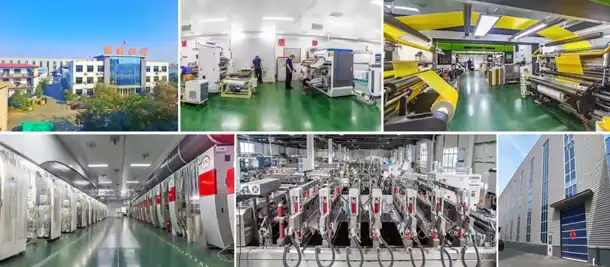
Every order comes from Guoshengli Packaging, which has been making flexible packaging for 25 years and can make up to 20,000 tons of it every year. As a licensed fin seal pouch maker that follows ISO 9001, BRC, and FDA rules, we offer stable quality, high-speed line compatibility, and full customization — from choosing the material to rotogravure printing and export-ready delivery. Contact our team today at sales@guoshengpacking.com to request samples and discuss your production requirements.
References
1. Packaging Technology and Science — John Wiley & Sons, 2021
2. Food Packaging: Principles and Practice — CRC Press, 2012
3. Flexible Packaging Association Annual Industry Report — Flexible Packaging Association, 2023
4. ASTM F88 Standard Test Method for Seal Strength of Flexible Barrier Materials — ASTM International, 2022
5. Packaging Digest: Trends in High-Speed Form Fill Seal Technology — Packaging Digest, 2022
6. Sustainability in Flexible Packaging: Recyclable Mono-Material Structures — Pack Expo International Conference Proceedings, 2023