- English
- French
- German
- Portuguese
- Spanish
- Russian
- Japanese
- Korean
- Arabic
- Greek
- German
- Turkish
- Italian
- Danish
- Romanian
- Indonesian
- Czech
- Afrikaans
- Swedish
- Polish
- Basque
- Catalan
- Esperanto
- Hindi
- Lao
- Albanian
- Amharic
- Armenian
- Azerbaijani
- Belarusian
- Bengali
- Bosnian
- Bulgarian
- Cebuano
- Chichewa
- Corsican
- Croatian
- Dutch
- Estonian
- Filipino
- Finnish
- Frisian
- Galician
- Georgian
- Gujarati
- Haitian
- Hausa
- Hawaiian
- Hebrew
- Hmong
- Hungarian
- Icelandic
- Igbo
- Javanese
- Kannada
- Kazakh
- Khmer
- Kurdish
- Kyrgyz
- Latin
- Latvian
- Lithuanian
- Luxembou..
- Macedonian
- Malagasy
- Malay
- Malayalam
- Maltese
- Maori
- Marathi
- Mongolian
- Burmese
- Nepali
- Norwegian
- Pashto
- Persian
- Punjabi
- Serbian
- Sesotho
- Sinhala
- Slovak
- Slovenian
- Somali
- Samoan
- Scots Gaelic
- Shona
- Sindhi
- Sundanese
- Swahili
- Tajik
- Tamil
- Telugu
- Thai
- Ukrainian
- Urdu
- Uzbek
- Vietnamese
- Welsh
- Xhosa
- Yiddish
- Yoruba
- Zulu

The best coffee and tea packaging is a high-barrier flexible pouch that matches your product, your shelf-life goal, and your filling method. For roasted coffee, I usually recommend a flat bottom or stand-up bag with a PET/AL/PE or PET/VMPET/PE structure and a one-way degassing valve. For tea, a resealable high-barrier pouch blocks moisture, light, and outside odors. No single format fits every brand, so the right choice depends on product sensitivity, sales channel, and order volume. Below, I walk through properties, formats, materials, custom options, and supplier checks so you can decide with confidence.

What Packaging Properties Matter Most for Coffee and Tea Packaging?
Oxygen, Moisture, Light, and Aroma Protection
Coffee or tea tastes worse when outside air, humidity, light, or smells get into it. Oxygen is what turns roasted coffee grounds black and tea leaves tasteless. When tea gets wet, it can get soft. When instant coffee and drink powders get wet, they can clump together. It takes less time for weak compounds to break down in light. The smell of both items makes them stand out, so the film must also keep chemicals inside that are easily lost. This is the reason why good coffee and tea packaging uses laminates with more than one layer. Many people use PET/PE, PET/VMPET/PE, and PET/AL/PE. The best way to protect against light and moisture is with layers made of foil. For less fragile items, metalized film is a good choice.
Degassing Valves for Freshly Roasted Coffee
Coffee that has just been roasted keeps putting off carbon dioxide for several days afterward. If the bags can't let that gas out, they will get bigger and could even break while they're being shipped. There is a valve that only lets carbon dioxide out and not oxygen in. This keeps the bag from getting too big on the shelf and keeps the smell inside. A valve can help people who work in small roasteries and pack their beans right away keep their bags from getting swollen, which makes customers unhappy. How good the valves are is just as important as how good the picture is. If the valve is already on the bag, I think you should ask for leak and seal test results. This is because a weak valve weld can't stop leaks. After that, try it with your own beans.
Food-Contact Safety and Functional Features
The safety of the whole machine, not just the film, is important. Inks, glues, sealants, zippers, and valves are in or close to the food zone. In the United States, Title 21 of the Code of Federal Regulations, Parts 174 through 178, tell the FDA how to handle things that become dirty with food. Every company that sells coffee and tea packaging should be able to give you papers that fit your market. The quality management system used by Guoshengli Packaging is called ISO 9001, and the company is approved by BRC to package food. Our products that come into touch with food are FDA-approved and have been tested by SGS and other outside groups. Functions that make your product work come next. When looks are important, tea boxes that can be used for more than one thing should have clear windows, buttons that can be resealed, and tear notches that make it easier to open bags.
Which Formats Work Best for Coffee and Tea Packaging?
Roasted Beans and Ground Coffee Formats
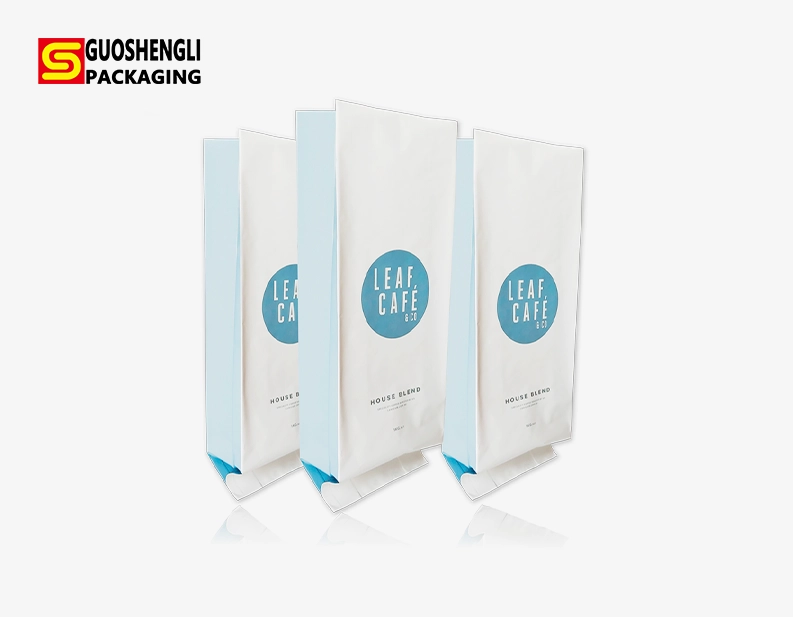
You can store roasted coffee in a stand-up case, a flat bottom bag, a side gusset bag, or a quad seal bag. They don't weigh much, are easy to ship, and have big print areas that work well for both in-store and online shopping. When specialty brands want to show how good they are, they often choose flat-bottom bags. These bags stay put on a shelf and have several sides that can be printed on. To be safe, side gusset bags are always the best choice for beans. Premium packs are even stronger when they come in quad seal bags. To keep air out of ground coffee, pick a film that has a high barrier and a tight seal. A one-way valve can fit in any of these types of coffee and tea packaging that you order.
Loose Leaf Tea, Herbal Blends, and Tea Bags
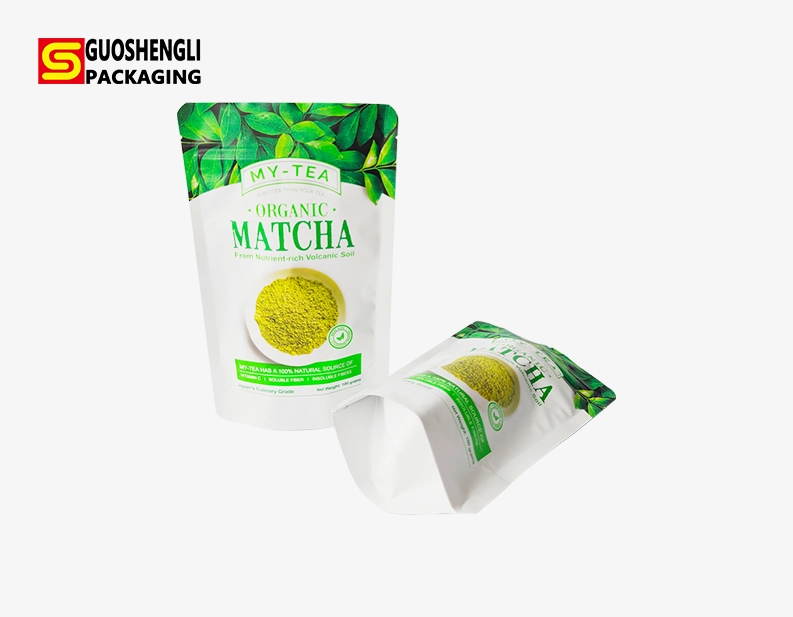
Most herbal mixes and loose leaf tea come in high-barrier stand-up bags that can be closed over and over. Water, light, and smell can't get through because of the barrier layers, and the zipper lets people close the pack after each use. Some tea cups and tea bags come in flat boxes that are covered on each side. This lets you control how much you eat and keeps things clean. Though folding boxes can help you arrange sachets better and make them look better on the shelf, you should still use an inner bag to keep them fresh. Light and water can't get through structures made of aluminum foil, and finishes that look like wood give them a natural look. If you pick the paper, find out what kind of barrier layer is behind it.
Coffee Bags Versus Coffee Cans
When it comes to coffee and tea packaging, bags and cans are different. You can save money on freight costs, take up less warehouse space, and shop online with flexible bags because they don't weigh as much or take up as much space. They also have big areas that can be used to print stories about brands. The inside of a can is hard and feels high-end. People can use them again, but they're heavy and need to be put away. In both types, the valves, seals, and ways of filling change how fresh the food is. A high-barrier pouch inside a custom box or sleeve looks good if you want it to look like a gift pack. The outer pack will carry the presentation while that keeps it safe.
Materials and Sustainable Options for Coffee and Tea Packaging

Choosing a Barrier Structure
It's up to you to decide what kind of coffee and tea packaging to use based on how fragile the goods are and how long you want them to last. What PET/PE does is protect things that don't last long, but not very well. A layer of metal is put to PET/VMPET/PE to help control light and water better. Aluminum foil is the best protection because it is used in PET, AL, and PE. Laminates made of more than one material are harder to recycle, but they are better in some ways. It is possible to measure how well barriers work. In ASTM F1927, the rate of oxygen transmission is talked about. In ASTM F1249, the rate of water vapor transmission is talked about. Get these numbers for the building you want to buy first. Then, before you place your order, compare them to the shelf life you want.
Recyclable and Compostable Choices
The first part of eco-friendly coffee and tea packaging should have enough cover to keep the goods fresh. Guoshengli Packaging makes MONO-PE and MONO-PP bag structures that can be returned. They also make designs that are light and reduce pollution during shipping, as well as PLA/PBAT-based solutions that break down naturally. The use of structures made of a single material can make recycling more likely in places where collection systems pick them up. It is important to think about how long compostable films last, how well they seal, and how easy they are to get to waste sites. Just because a bag is made of Kraft paper doesn't mean it can be recycled or broken down. So that your goods are safe, we don't push designs that haven't been tried, and we help you figure out which barrier will work best for you.
Verifying Environmental Claims
Words like "biodegradable" and "eco-friendly" need proof to back them up. From 1992 to 2012, the Federal Trade Commission's Green Guides were the last changes made to the US Green Guides. They tell marketers how to talk about the environment without confusing people. They say not to make broad claims that can't be proven. Make sure that the claims made on the coffee and tea packaging are consistent with the way the people you want to sell to throw things away. Don't trust the words on the front of the package; instead, ask for a full list of the materials, such as the valve, lock, ink, and glue. Our plant uses foreign RTO exhaust gas treatment technology, and if your product barrier needs it, we can give packaging that is 100% recyclable.
Custom Options and Supplier Selection for Coffee and Tea Packaging
Digital and Gravure Printing for Multi-SKU Brands
The print method for Coffee & Tea Packaging should depend on the size of the order. Digital printing starts at 500 to 1,000 items, and the lead time is usually 7 to 10 days. A brand test or a quick launch can go well with it, as can roasters who use a different design for each single-origin coffee. It takes 15–20 days to print gravure, and the price starts at 20,000 pieces. If you need to print a lot of things that need to be the same color and look good on the shelf, our gravure lines can do that. With either method, you can get a sleek or smooth finish. A lot of businesses start their new SKUs with digital and then switch their best-selling items to gravure. Always check a printed copy to make sure it's okay before making a lot of copies.
Samples, Testing, and Supplier Checks
An honest company that sells coffee and tea packaging will let you see how well their goods work before you buy a lot of them. Bring in samples that have the final film, valve, and zipper on them, and then put your item inside them. ASTM F88 seal strength tests, leak tests, drop and compression tests, and storage tests to see how long something will last are all useful tests. Wait a few months after putting away a sample before opening it to smell it for yourself. You should also look at the business side, such as the minimum order size, tools, wait time, freight, payment terms, and the ability to keep track of the goods. We use seven printing machines, six laminating machines, and 49 machines that change the shape of things. We check every important step in-house, which is why we always get return orders.
Matching Packaging to Your Business Scenario
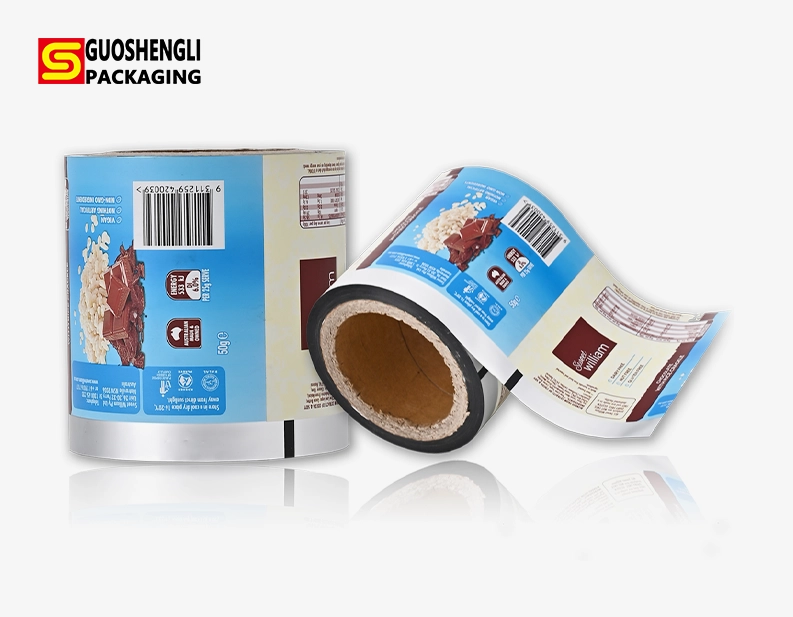
What works best for a business when it comes to coffee and tea packaging is different. A lot of specialty roasters that sell only one type of coffee can fit flat-bottom bags with valves and digital printing. If a tea brand makes both gift and daily tea, they should plan their production ahead of time to avoid the busy holiday season. Boxes for gift sets are often paired with gravure-printed cases for everyday packs. Businesses that co-pack and contract roast coffee need rollstock film for automatic tools or bags that are already made. Their own line should test the film before they place a full order. Food service and bulk packs need to be the same size, have clear batch codes, and have strong seals so that they can be put on pallets. There are both rollstock films and pouches that are already full that Guoshengli Packaging sells.
Procurement Checklist and Final Recommendation for Coffee and Tea Packaging

Information to Prepare Before You Request a Quote
You can quote faster if you have a full brief, and you won't have to deal with practice rounds that don't work. Tell us what kind of product you want, how much you want to fill it, what shape you want the bag to be, and how long you want it to last. Write down how it is filled and how it is kept. Pay attention to how it reacts to oxygen and water. Write down the things you need, like a clasp, window, valve, or finish. Tell them how many orders you expect, where they will go, and if you have any artwork files. Tell us about your automatic machine and the film it can use. Our team needs to know more about your process so they can give you a price for your coffee and tea packaging and help you choose the best material, pouch style, and printing method.
Quality Checks to Confirm Before Bulk Production
Before you approve the mass production of coffee and tea packaging, look at an accepted proof to make sure the size, color, function of the valve, strength of the seal, and resistance to leaks are all right. Make sure that each lot can be traced back to the batch it came from and that the supplier knows how to fix issues. Repeat-order consistency is most important for brands that buy more than once a month. Look at your first order and second order next to each other. Samples rarely have problems with how they are packed. They show up when the order is processed and when it is made again. That's why we keep track of orders from raw materials to finished goods and check each important step.
How to Identify the Best Option for Your Product?
Putting coffee and tea packaging next to each other is the best way to compare them. Pick out two or three good buildings and put your item inside each one. You should think about how it will protect food, how long it will last, how well it fits, how much it will cost, how happy the customer will be, how well it will do in terms of the world, and how much it will cost overall. Pick something not just because it looks good or costs a lot. First, make the barrier that your item needs. Then, add the valve or zipper that it works best with. The last step is to pick the format and printing method for your book. A good manufacturer can help you figure out what you can do and what your options are. The best choice works the same way on the tenth order as it did on the first.
Conclusion
For coffee and tea packaging, there isn't always a best style. You can choose how long you want it to last and what you fill it with. Coffee needs to be well sealed off from air and have a valve that only lets carbon dioxide out. Tea, on the other hand, needs to be able to handle light, smell, and moisture. You can buy bags in bulk or for retail use. Some types of bags are stand-up, flat bottom, side gusset, and quad seal. Most of the time, bags that bend are lighter than cans. Structures made of PET/PE, PET/VMPET/PE, and PET/AL/PE are getting more and more barrier protection. Green choices, like pictures made from just one material, need to prove that they work and are what they say they are. Digital printing is best for small runs, while gravure printing is best for large ones. To make a choice, it is best to try samples with real product and check that the documents for seal, leak, and food contact are right.
FAQ
1. Does coffee need a one-way valve?
Coffee that has just been roasted gives off carbon dioxide for days afterward. Air can't get out through a one-way valve, but that gas can. This keeps the bags from getting bigger.
2. How low can the minimum order be for coffee and tea packaging?
The minimum order for this kind of printing is 500 to 1,000 items, and the lead time is usually 7 to 10 days. It takes 15–20 days to print gravure, and the price starts at 20,000 pieces.
3. Is kraft packaging automatically recyclable?
No, because Kraft paper bags often have plastic coatings or layers on top that make them impossible to recycle. Check to see what materials are being recycled and make sure you can do it where you live before you file a claim.
4. Which barrier structure suits tea?
Al foil is used in PET/AL/PE. It is very good at blocking light and water, so it's a good choice for delicate teas. It is lighter than PET/VMPET/PE and can be used as a buffer for less sensitive mixes. Give them both a try with your item.
Start Your Coffee and Tea Packaging Project with Guoshengli Packaging

More than 25 years ago, Guoshengli Packaging began producing coffee and tea packaging. They are certified by BRC to do business, and they print both gravure and digitally. Send an email to sales@guoshengpacking.com telling them what you want to order, how many pouches, and what size they are. After that, our team will talk about a structure, valve, and print plan. Go to guoshengpack.com to find out more. Now is the time to tell us about your coffee and tea packaging project.
References
1. Espresso Coffee: The Science of Quality (Elsevier Academic Press), 2005
2. Food Packaging: Principles and Practice, Third Edition (CRC Press), 2012
3. Food Packaging Technology (Blackwell Publishing), 2003
4. Guides for the Use of Environmental Marketing Claims, Green Guides (Federal Trade Commission), 2012
5. Code of Federal Regulations Title 21, Parts 174–178, Indirect Food Additives (U.S. Food and Drug Administration), 2023
6. ASTM F88/F88M, Standard Test Method for Seal Strength of Flexible Barrier Materials (ASTM International), 2021