- English
- French
- German
- Portuguese
- Spanish
- Russian
- Japanese
- Korean
- Arabic
- Greek
- German
- Turkish
- Italian
- Danish
- Romanian
- Indonesian
- Czech
- Afrikaans
- Swedish
- Polish
- Basque
- Catalan
- Esperanto
- Hindi
- Lao
- Albanian
- Amharic
- Armenian
- Azerbaijani
- Belarusian
- Bengali
- Bosnian
- Bulgarian
- Cebuano
- Chichewa
- Corsican
- Croatian
- Dutch
- Estonian
- Filipino
- Finnish
- Frisian
- Galician
- Georgian
- Gujarati
- Haitian
- Hausa
- Hawaiian
- Hebrew
- Hmong
- Hungarian
- Icelandic
- Igbo
- Javanese
- Kannada
- Kazakh
- Khmer
- Kurdish
- Kyrgyz
- Latin
- Latvian
- Lithuanian
- Luxembou..
- Macedonian
- Malagasy
- Malay
- Malayalam
- Maltese
- Maori
- Marathi
- Mongolian
- Burmese
- Nepali
- Norwegian
- Pashto
- Persian
- Punjabi
- Serbian
- Sesotho
- Sinhala
- Slovak
- Slovenian
- Somali
- Samoan
- Scots Gaelic
- Shona
- Sindhi
- Sundanese
- Swahili
- Tajik
- Tamil
- Telugu
- Thai
- Ukrainian
- Urdu
- Uzbek
- Vietnamese
- Welsh
- Xhosa
- Yiddish
- Yoruba
- Zulu

Coffee and tea brands consistently choose side gusset pouches with degassing valves because these packages solve critical preservation challenges while maximizing brand visibility. Specifically, the 1kilo side gusset pouch with valve has become the industry standard for specialty roasters and wholesale distributors. This packaging format addresses the unique problem of CO₂ degassing in freshly roasted coffee beans—releasing internal gas pressure without allowing oxygen infiltration—thereby extending shelf life to 12-18 months. The expanded side panels create a box-like structure when filled, offering generous printable surfaces on front, back, and gusset areas that strengthen brand recognition on retail shelves and in B2B supply chains alike.
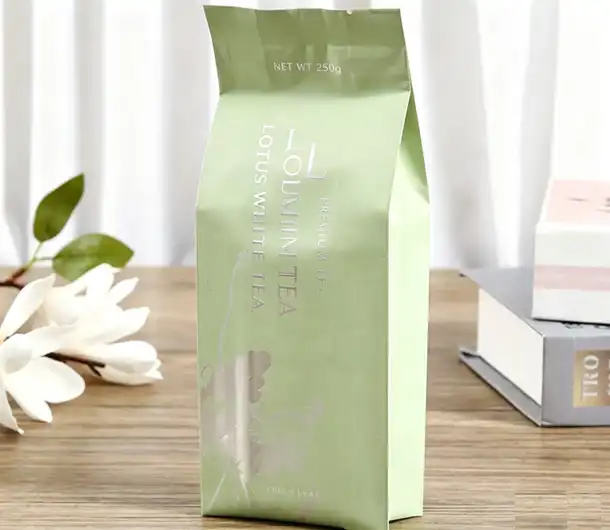
Understanding Side Gusset Pouches with Valve: Features and Benefits
Side gusset pouches are the next step in flexible packing technology. They combine improved protection with structural economy. These bags have vertical growth pleats on both sides. When they are empty, they fold flat, but when they are full, they open up into a stable rectangle shape. One-way degassing valve is built in and has a specific job to do: it lets internal gasses, like the CO2 released by freshly roasted coffee, escape while blocking oxygen and moisture from the outside.
Multi-Layer Barrier Construction
Making a 1kilo side gusset pouch with valve usually involves using multi-layer laminate structures made of PET, aluminum foil, and polyethylene films. This layer lets less than 0.1 cc/m³/day of oxygen thru and less than 0.1 g/m³/day of water vapor thru. This kind of barrier action keeps the flavor of coffee and tea's volatile aromatic compounds from oxidizing and absorbing water, so the flavors stay the same throughout the distribution cycle.
One-Way Valve Technology
The degassing valve is set to open at 2-8 mbar of internal pressure and works on the concept of differential pressure. When roasted coffee beans release CO₂, which can happen up to several days after roasting, the valve lets go of the gas buildup, which keeps the pouch from bending or bursting. At the same time, the membrane on the valve stops reverse airflow and oxygen from getting in, which would speed up the reactions that cause staling and flavor degradation.
Space Optimization and Stability
The side gusset design makes it easier to move things around. When these boxes are filled with one kilogram of goods, they stand up straight and have a stable base. This shape makes the best use of box density while shipping and makes the best use of shelf space in stores and warehouses. Compared to rigid containers or stand-up pouches, empty pouches take up less space in storage and cost less to ship because they are flat.
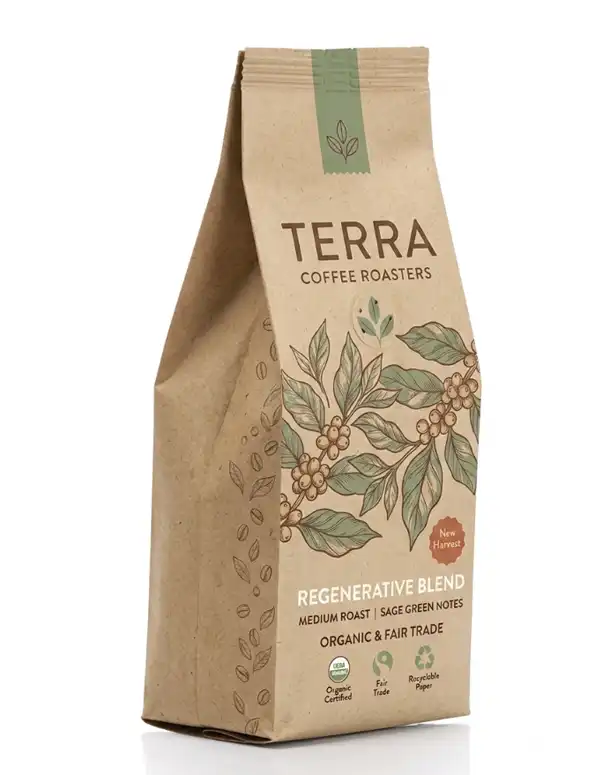
These pouches have multi-layer laminates that allow for different finish choices. Matte surfaces show that the product is high-quality, while shiny finishes make colors stand out more. Brands that care about natural looks like the outside layers of Kraft paper, but the barrier performance depends on choosing the right inner film.
Side Gusset Pouch vs Other Packaging Types: Making the Right Choice
To choose the best packaging, you need to know how the different formats meet different operational needs. Brands of coffee and tea often compare side gusset pouches to flat pouches, stand-up pouches, and bottom gusset forms.
Structural Comparison
Flat pouches are easy to use and don't cost much, but they don't have the self-supporting structure that is useful for storage and display. Stand-up pouches have bottom gussets that make them stand out on a shelf, but their raised shoulders make it harder to print on them than side gusset designs' four flat panels. Bottom gusset pouches are also good for stability, but they usually need more material to hold the same amount of stuff.
When degassing functionality is needed, the 1kilo side gusset pouch with valve performs admirably. Flat pouches without valves could get distorted if gas builds up, which would make them hard to handle and look bad. Different types of pouches can have valves added to them, but side gusset forms make the best use of material for holding one kilogram while still keeping the structure strong under internal gas pressure.
Material and Valve Selection Factors
Buyers need to compare the designs of aluminum foil and metalized film. Aluminum foil laminates are great at blocking light and acting as a barrier, which is important for products that are sensitive to light. Metalized films lower the cost of materials and support recycling efforts while protecting products that need to be kept for a shorter time.
The quality of the valve has a big effect on performance. Premium valves have long-lasting membranes that don't let oil from coffee lipids leak out and keep their seal even when the temperature changes during shipping. It's possible for inferior valves to fail too soon, letting air in or stopping the pressure release function.
Cost-Effectiveness Analysis
Buyers need to think about more than just the unit price when making decisions about what to buy. Side gusset pouches with valves cost more per piece than basic flat pouches, but they keep products from going bad, keep customers from complaining about stale products, and improve brand image by making products seem fresher. Proper degassing and barrier protection increase the shelf life of food, which lowers the need to markdown and turn over goods.
As part of the evaluation process, compatibility with existing filling equipment should be looked at. Side gusset pouches work well with vertical form-fill-seal machines when they are provided as rollstock or as ready-made pouches that can be filled by hand or partially automatically. Making sure that the dimensions are within acceptable ranges and that the seal is strong enough keeps production from stopping during implementation.
How to Store and Reseal Coffee & Tea in Side Gusset Pouches with Valve
To get the most protection out of valve bags, they need to be stored and handled properly throughout the distribution chain. Extreme temperatures or humidity during storage and transport can't be fixed by even the most advanced packaging.
Optimal Storage Environments
Coffee and tea in 1kilo side gusset pouches with valve should be kept somewhere cool and dry, out of direct sunlight. Conditions that should be met include temperatures below 25°C and humidity levels below 60%. Heat speeds up oxidation processes and the evaporation of volatile compounds. On the other hand, wetness can weaken seals and cause condensation to form inside packages.
The degassing valve keeps working, letting CO2 out of freshly roasted coffee without any help from a person. It is important that this passive method keeps the package's structure in the first few weeks after roasting, when degassing rates are highest. Checking to see if storage areas are stable in terms of temperature stops the rounds of expansion and contraction that put stress on package seals.
Resealing Considerations
The 1kilo side gusset pouch with valve is mostly used in trade and business settings where the contents are used up quickly. Some forms come with resealable closures like zip locks or tin ties. The right way to reseal something is to get rid of any extra air before closing it so that there is less oxygen in the headspace, which speeds up staling.
After being opened, the valve keeps the quality of the product safe by letting any leftover CO2 escape while blocking oxygen from getting in thru the valve port. But once the package is opened, the primary seal area becomes the most important barrier. This means that effective reclosure is needed to keep partly used packages fresh.
Applications Beyond Coffee and Tea
Side gusset pouches with valves can be used for many different products that need to keep moisture out and manage gasses. When nuts are stored, they need to be degassed in the same way. Moisture barrier features are good for protein shakes and health supplements. Specialty spice mixes keep their aromatic strength inside these safe layers.
Pet food companies are using 1kilo side gusset pouches with valve more and more for premium treats and kibble, where freshness has a direct effect on how good the food tastes. The structural stability supports the weight of the product, and the valve functionality controls the release of gas from natural ingredients during storage.
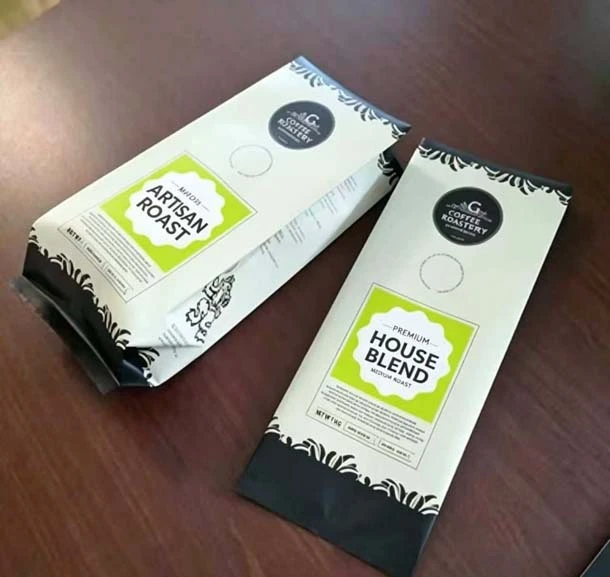
Procurement Guide: How to Source High-Quality 1 Kilo Side Gusset Pouches with Valve
When choosing a provider for valve bags, you have to look at more than just the unit price. Long-term partnership success depends on consistent quality, the ability to make changes, and reliable supply plans.
Supplier Evaluation Criteria
Reliable companies that make 1kilo side gusset pouch with valve keep a number of quality certifications, such as ISO 9001 for process management, BRC for food safety standards, and FDA compliance for materials that come into contact with food products. Instead of testing each batch separately, these certifications show that quality control is done in a planned way.
Ask for specific details, such as information on how well the barrier works, how strong the seal is, and the opening pressure parameters for the valve. Reliable sellers show proof of testing from SGS or similar labs that backs up what they say about the product's performance.
Customization and Branding Capabilities
Rotogravure printing is better at keeping colors and details the same over long runs of prints. When you print in up to 11 colors, as some suppliers do, you can use complicated graphics and photos that help your brand stand out. Digital printing options are better for shorter runs and faster turnaround, but for runs of more than 10,000 pieces, the cost per unit is usually higher than with rotogravure.
Specifications for the artwork should be set early on in the buying process. Suppliers with in-house design help make sure that files are prepared perfectly for printing, so there are no color changes or clarity problems. Giving technical advice on bleed areas, where to put text in relation to seals and gussets, and choosing the right finish makes sure that the finished products meet brand standards.
Minimum Order Quantities and Lead Times
Knowing the minimum order quantity (MOQ) and the schedule for output helps keep supplies running smoothly during busy times. For custom-printed 1kilo side gusset pouches with valve, many makers set minimums of 10,000 to 50,000 units. However, some offer lower minimums at higher per-unit costs.
Rotogravure printing usually takes between 15 and 20 days after the art is approved, while digital printing can be done in 7 to 10 days. Shipping method has a big effect on total delivery time. For example, air freight delivers in 4–5 days but costs more, while ocean shipping takes 3–4 weeks for most international routes.
Strategic buyers place advance orders three months before seasonal demand peaks to lock in production capacity and avoid paying higher prices when demand is high across the whole industry.
Pricing Structure Transparency
Quotes that are complete should list the costs of all the materials used, printing, shipping, and any other fees that apply. This openness makes it possible to compare suppliers in a meaningful way and finds hidden cost factors. Payment terms, like a 30–50% deposit and the rest due before shipment, affect how cash flow is planned for purchase budgets.
Volume price tiers reward customers who commit to bigger orders, but buyers must weigh the savings on unit costs against the costs of keeping supplies and the length of time a product will last on the shelf. Setting up blanket purchase orders with scheduled releases is a good way to get volume discounts and keep your working capital under control.
Why Leading Coffee & Tea Brands Trust Side Gusset Pouches with Valve
Professional tea traders and roasters know that valve pouches are important for keeping product quality high thru complicated delivery networks. The packing itself is part of their program to make sure the standard of their products.
Measurable Freshness Retention
When specialty coffee roasters test the shelf life of their products, they always find that 1kilo side gusset pouches with valve keep the taste quality longer than options that don't have valves. When the right barrier materials are used, cup tests show that aromatic complexity stays the same and staleness development slows down over 12 to 18 months.
This longer shelf life makes it possible to distribute the product to more places, cuts down on waste from products going bad, and makes inventory management more fluid. When demand changes, brands can keep their products available without having to speed up production plans.
Operational Efficiency Gains
Side gusset formats are durable and easy to handle, which is good for wholesale businesses that sell to restaurants, cafes, and retail partners. The strengthened construction can handle being moved around during distribution without holes or broken seals that cause customers to complain and send the product back.
Compatibility between filling lines makes sure that production runs smoothly. Quality 1kilo side gusset pouches with valve have uniform sizes and seal integrity, so they reduce downtime and rejected units. They can be used with automatic VFFS equipment that uses rollstock film or with semi-automated stations that use pre-made pouches.
Market Differentiation Through Packaging
To get a premium place in the coffee and tea markets, which are very competitive, packing needs to show quality before the buyer even buys it. Side gusset bags look and feel solid, which shows that they were made with care and attention to detail. The large printable areas can hold information about the beans' origins, roasting notes, and brewing instructions that tell a story and justify the higher price.
Sustainability efforts are having a bigger effect on packing choices. Brands can meet their environmental obligations without losing protection when suppliers create buildings made of one material that can be recycled or alternatives that can be broken down and used again. These new ideas reflect how consumers' needs are changing, while keeping the useful features that made valve pouches standard in the industry.
Conclusion
There is a unique mix of protective performance, operational practicality, and brand presentation capabilities that makes side gusset pouches with degassing valves very popular in the coffee and tea industries. The 1kilo side gusset pouch with valve is designed to meet the needs of specialty roasters, wholesale wholesalers, and luxury brands that see packaging as an important part of the quality of the product rather than just a container. As material science improves and barrier performance is proven, these pouches will continue to be the best choice for products that need to stay fresh for a long time. This is because keeping products fresh has a direct effect on customer satisfaction and brand reputation.
FAQ
1.How do side gusset pouches with valves compare to stand-up pouches for coffee packaging?
Side gusset pouches have four flat sides that can be printed on continuously, while stand-up pouches have curved shoulders. Although both forms can support degassing valves, side gusset designs make better use of space when stacking full 1kilo side gusset pouches with valve during storage and shipping. Stand-up bags work great in stores that want to emphasize their vertical shelf presence.
2.Are recyclable options available for 1 kilo valve pouches?
More and more, packaging companies are making structures out of a single material called polyethylene. These structures keep their barrier properties and can be recycled thru existing programs that collect plastic film. Traditional multi-layer laminates with metal foil offer better safety, but they are hard to recycle. When buyers are sourcing materials, they should make sure to include standards for recycling so that they get the right suggestions that balance security and environmental concerns.
3.What certifications should I verify when sourcing valve pouches for food products?
Suppliers you can trust keep their ISO 9001 quality control certification, follow BRC food packaging standards, and have FDA-approved materials that come into touch with food. Ask SGS or a similar third-party testing company to confirm the barrier properties and migration testing results. These certifications show that the quality control goes beyond just making sure the product works.
Partner with Guoshengli Packaging for Your Valve Pouch Requirements
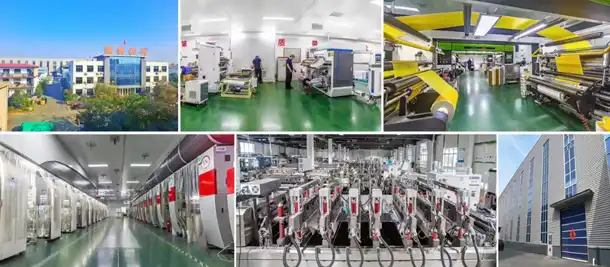
Guoshengli Packaging specializes in manufacturing 1kilo side gusset pouches with valve engineered specifically for coffee roasters, tea merchants, and specialty food producers requiring dependable freshness protection. Our 25 years of experience with flexible packaging means that the quality is the same across all production runs. This means that there are no batch-to-batch differences that slow down filling and make it harder to protect products. We keep our ISO 9001, BRC, and FDA certifications and offer 100% reusable materials that help you stick to your environmental goals. We offer custom solutions that help your brand stand out, with rotogravure printing that can handle up to 11 colors and production wait times as short as 15 to 20 days. You can talk to our team at sales@guoshengpacking.com about your needs and ask for sample 1kilo side gusset pouch with valve supplier options that show how well we make things.
References
1. Marsh, K. & Bugusu, B. (2007). "Food Packaging—Roles, Materials, and Environmental Issues," Journal of Food Science, 72(3), R39-R55.
2. Robertson, G.L. (2016). Food Packaging: Principles and Practice, Third Edition. CRC Press, Boca Raton.
3. Specialty Coffee Association. (2019). "Best Practices for Coffee Packaging and Storage," SCA Technical Standards Committee Report.
4. Coles, R., McDowell, D. & Kirwan, M.J. (2003). Food Packaging Technology. Blackwell Publishing, Oxford.
5. Brody, A.L. & Marsh, K.S. (Eds.). (1997). The Wiley Encyclopedia of Packaging Technology, Second Edition. John Wiley & Sons, New York.
6. Yam, K.L. (Ed.). (2009). The Wiley Encyclopedia of Packaging Technology, Third Edition. John Wiley & Sons, Hoboken.