- English
- French
- German
- Portuguese
- Spanish
- Russian
- Japanese
- Korean
- Arabic
- Greek
- German
- Turkish
- Italian
- Danish
- Romanian
- Indonesian
- Czech
- Afrikaans
- Swedish
- Polish
- Basque
- Catalan
- Esperanto
- Hindi
- Lao
- Albanian
- Amharic
- Armenian
- Azerbaijani
- Belarusian
- Bengali
- Bosnian
- Bulgarian
- Cebuano
- Chichewa
- Corsican
- Croatian
- Dutch
- Estonian
- Filipino
- Finnish
- Frisian
- Galician
- Georgian
- Gujarati
- Haitian
- Hausa
- Hawaiian
- Hebrew
- Hmong
- Hungarian
- Icelandic
- Igbo
- Javanese
- Kannada
- Kazakh
- Khmer
- Kurdish
- Kyrgyz
- Latin
- Latvian
- Lithuanian
- Luxembou..
- Macedonian
- Malagasy
- Malay
- Malayalam
- Maltese
- Maori
- Marathi
- Mongolian
- Burmese
- Nepali
- Norwegian
- Pashto
- Persian
- Punjabi
- Serbian
- Sesotho
- Sinhala
- Slovak
- Slovenian
- Somali
- Samoan
- Scots Gaelic
- Shona
- Sindhi
- Sundanese
- Swahili
- Tajik
- Tamil
- Telugu
- Thai
- Ukrainian
- Urdu
- Uzbek
- Vietnamese
- Welsh
- Xhosa
- Yiddish
- Yoruba
- Zulu

Stand up pouches deliver exceptional food packaging safety through advanced barrier technology and purposeful design. These flexible packages protect contents from moisture, oxygen, light, and external contamination — the four primary factors that compromise food quality. Their multi-layer construction, featuring materials like VMPET and FDA-approved polyethylene, creates a protective shield that preserves freshness far longer than conventional packaging. When combined with resealable closures and precision manufacturing standards, these pouches minimize contamination risks throughout the supply chain, making them the preferred choice for brands prioritizing product integrity and consumer health.


Understanding the Role of Stand Up Pouches in Food Packaging Safety
Barrier defense that works well is the first step to food safety. Stand up pouches with multiple laminated layers protect against environmental threats that cause food to go bad faster and lower the quality of the food.
How Barrier Properties Protect Your Products
Modern stand up pouches are made by carefully laminating different kinds of films together. VMPET materials are made up of protective polymers and vacuum-metallized polyester. Together, they make a strong shield against air and wetness getting in. This structure stops the growth of germs and oxidation, which are two main things that make food go bad. When coffee roasters switch from paper bags to high-barrier flexible packaging, the coffee stays fresh for 12 to 18 months longer. Manufacturers of snacks see lower rates of moisture absorption below 0.5%, which keeps the snacks' crispy texture throughout the distribution cycles.
Polyethylene terephthalate (PET) layers make goods more resistant to punctures and protect them while they are being handled and shipped. This is especially important for brands that ship abroad, since packages go through a lot of hands-on steps before they reach store shelves. The combination of chemical resistance and mechanical strength makes sure that the integrity of the package stays the same from the factory to the consumer's pantry.
Material Composition Matters
Material choice has a direct effect on how well a package works. Food-contact materials that have been approved by the FDA make sure that safety standards are in line with what is required by law in North America and Europe. Our production process uses approved raw materials that are put through a lot of tests to make sure they don't migrate harmful substances into packaged foods.
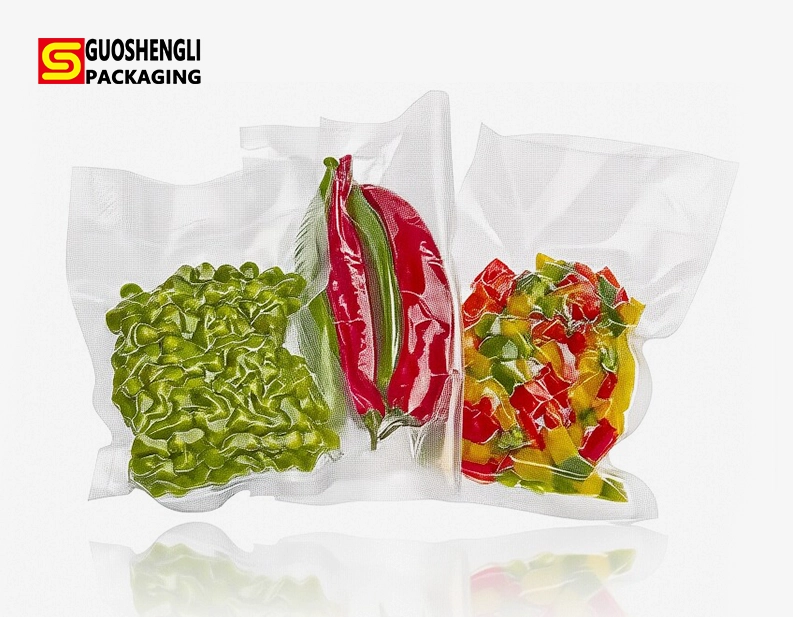
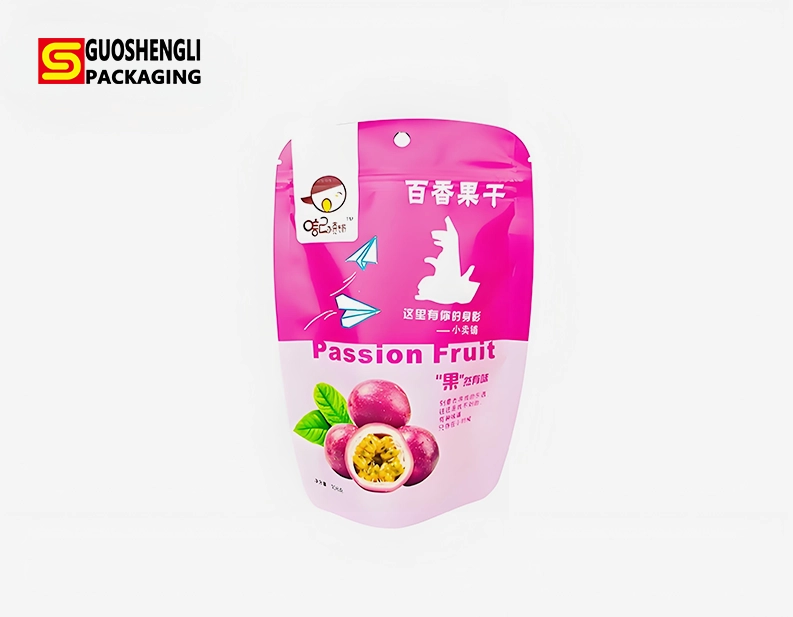
Foil laminates protect very fragile products like matcha powder, freeze-dried fruits, and specialty coffee blends the best. Other structures made of clear films work well for products where sight is important for buying decisions. For example, window panels that show off the quality of dried fruits, bright candies, and pet treats are good examples.
New biodegradable options now have competitive barrier properties for brands that care about the environment. These materials meet standards for compostability without losing the safety features needed for food safety. This is a big step forward for buying teams that care about the environment.
Core Components and Design Elements That Enhance Food Safety
Long-term product safety is directly affected by engineering choices made during the package design phase. Each useful part has a specific protective purpose that goes beyond how it looks.
Resealable Closures Prevent Contamination
With zipper closures, single-use bags become containers that can be used more than once. This feature keeps food fresh by keeping it from contacting outside air between uses. It also cuts down on waste. When you open something and use it more than once, like coffee, protein powder, or pet food, reusable features make it last a lot longer.
Our zipper systems are put through pressure tests to make sure that the lock stays in place after thousands of opens and closes. This dependability stops seal failures that let product get out and cause customers to complain. When the zipper will be used more than once, the difference between standard and expensive zippers becomes clear, since cheap closes stop working after 10 to 15 opens.
Strategic Transparency Supports Quality Assurance
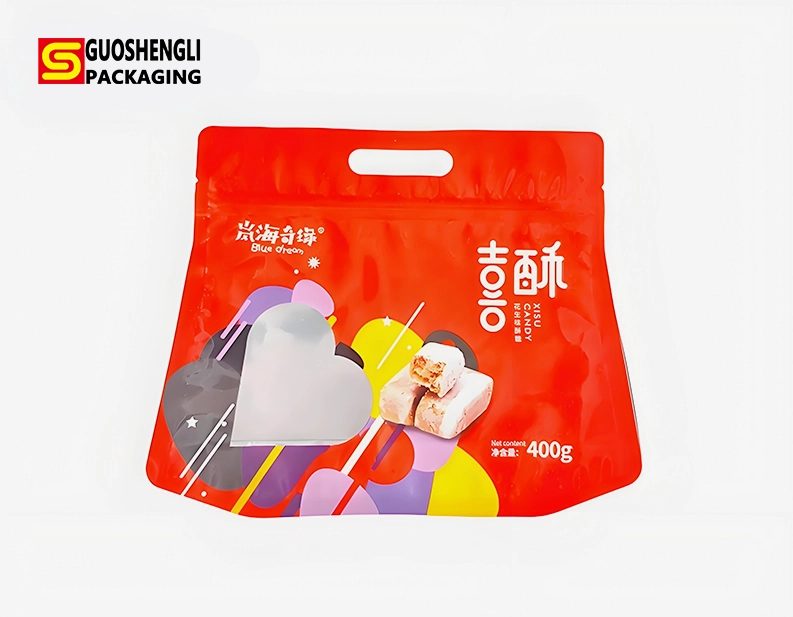
Window panels do two things: they give customers confidence and keep an eye on quality. Transparent parts let you see what's inside without opening the package, so both sellers and customers can check the state of the goods. This transparency cuts down on returns and boosts faith in the quality of the product.
For safety reasons, windows make it easier to check things during the receiving and storing processes. Damaged goods can be found in distribution centers before they reach shelves. This keeps faulty goods from getting into the supply chain for consumers. This openness makes everyone in the logistics network responsible.
Functional Features That Support Safe Handling
Easy-tear notches make it less likely that the package will be damaged by rough handling. People who are having trouble opening packages often use knives or scissors, which can make things dirty if the package breaks open accidentally. Precision-engineered tear holes allow controlled opening, which keeps the structure of the package and limits the amount of pollution that gets out.
Hang holes make it easier to store things in the right way, which is especially important for things that don't like to settle or get compacted. Placing displays correctly also improves air flow in storage areas, which lowers the risk of condensation that helps microbes grow.

Comparing Stand Up Pouches with Other Packaging Solutions for Food Safety
Choosing the right package format affects safety throughout the lifecycle of a product. When procurement teams know about comparative benefits, they can make better choices that meet the needs of a specific product.
Structural Advantages Over Flat Packaging
The structure of traditional flat bags isn't stable enough to make them safe to handle. Self-standing designs stay straight while they are being filled, stored, and shown off. This makes it less likely that packages will fall over and get damaged. This stability is especially helpful for automated filling lines where the position of the package affects how well it seals.
The gusset design spreads the pressure inside evenly across the seams, which lowers the stress levels in places where problems usually start. This engineering detail explains why, in high-volume production settings, stand up pouches have lower defect rates than flat alternatives.
Performance Relative to Rigid Containers
Both glass jars and metal cans work well as barriers, but they pose different safety issues. Concerns about responsibility arise when things break during travel, and heavier loads raise freight costs and carbon footprints. Thanks to advances in material science, flexible forms completely get rid of the risk of breaking while still providing the same level of barrier performance.
Another safety benefit is that it saves space. When compared to rigid options of the same amount, lightweight flexible packaging cuts down on hauling needs by 60 to 70%. When there are fewer shipments, there are fewer points where they can be handled and contaminated or damaged.
Distribution centers like the higher storage densities because they allow better inventory rotation, which is important for first-in, first-out practices that keep products fresh.
Matching Features to Product Characteristics
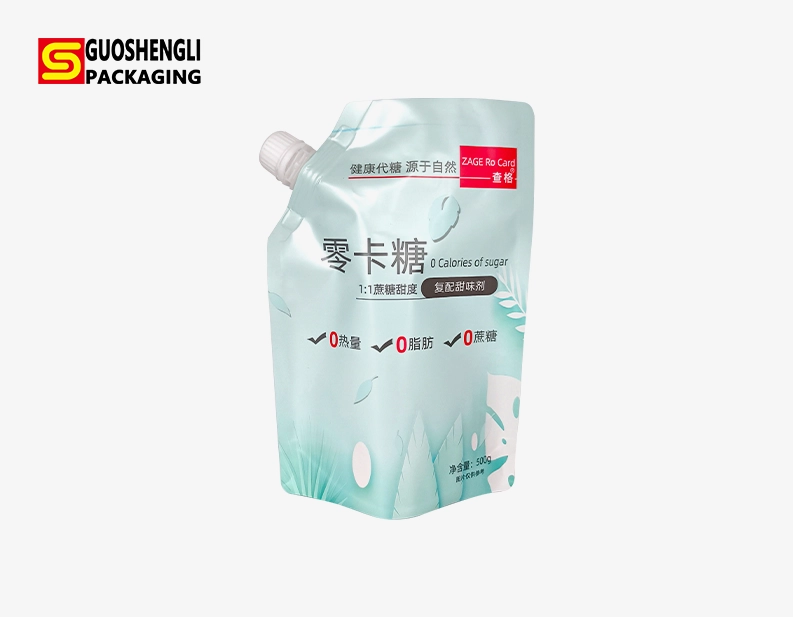
Different types of products need different kinds of packaging. Spout designs for liquid products that allow controlled release keep spills from happening, which is good for hygiene. Standard zippered bags that are easy to open and close are good for dry goods like nuts and cookies. Powdered goods need anti-static treatments that keep them from sticking to the inside of the package. This makes sure that the product is fully dispensed and cuts down on waste.
Our technical team looks at the product's moisture level, particle size, oil level, and handling needs to figure out the best way to package it. This feedback method finds possible safety issues before production starts, so changes made in the middle of production or performance problems after launch are avoided.
Procurement Insights: How to Choose and Source the Best Stand Up Pouches for Food Packaging
Choosing the right supplier has a big effect on both the safety of the product and the long-term security of the business. When you do smart procurement, you look at more than just prices. You also look at the capabilities that support consistent quality.
Certification Requirements Protect Your Brand
FDA compliance sets the minimum standards for packing that comes into touch with food in North American markets. BRC certification shows a structured way of managing food safety, which includes clean facilities, process controls, and systems for tracking food. Having ISO 9001 certification means that you have organized quality control that helps you get the same results from each production run.
These certifications are useful in the real world. Certified facilities keep written processes for managing changes, making sure that any changes to recipes or updates to equipment are properly tested before they are put into action. This practice stops the quality differences that happen with uncertified suppliers. It protects brands from differences in quality from batch to batch that hurt buyer trust.
Evaluating Production Capacity and Flexibility
Small and medium-sized brands that are testing new goods are greatly affected by minimum order amounts. Digital printing suppliers let you make small batches of 500 to 3,000 units, which lets you test the market without having to buy too much inventory. This versatility is especially helpful for seasonal or limited edition products where predicting demand is harder to do accurately.
Production lead times affect how quickly the market responds. For digitally produced orders, our plant can turn them around in 7–10 days. For rotogravure production, it takes 15–20 days. This speed makes it easier for flexible brands to come out with new products that match popular flavors or changing dietary tastes. When you know how much a supplier can handle, you can avoid cases where great product launches have stock-out times that cause competitors to gain market share.
Long-Term Partnership Considerations
Repeat order consistency is what sets great suppliers apart from average ones. Color matching across production runs helps people remember the brand. Accurate measurements make sure that the parts will work with the filling equipment, which keeps the line from stopping, which can throw off production plans. Computerized color management and precise cutting equipment that gives ±1mm tolerance on key measurements are used in our manufacturing systems for stand up pouches.
When dealing with unexpected problems, being able to provide technical support is important. Access to material scientists and packaging experts who know about barrier needs, optimizing seal strength, and the regulatory landscape is useful for more than just production. This knowledge helps brands figure out what materials to use when there are problems in the supply chain that make it hard to get raw materials. This way, the protection of the product stays the same even though the input conditions change.

Future Trends and Sustainability in Food Packaging
As regulations change and consumer tastes change, environmental responsibility plays a bigger role in packaging decisions. Procurement teams that are ahead of the curve combine sustainability goals with food safety standards that can't be changed.
Recyclable Structures Without Safety Compromises
Mixed-material structures make sorting more difficult, but mono-material structures make recycling easier by getting rid of those structures. New developments in polyethylene-based barriers provide protection levels that used to require aluminum foil, but now they can be recycled without losing their effectiveness. Because of these changes, brands can now advertize that their products are better for the environment while still giving customers the longer shelf life they expect.
Our 100% recyclable choices go through the same barrier tests as regular buildings, which makes sure that safety standards don't change. This proof gives people faith that making things more environmentally friendly doesn't mean sacrificing safety in ways that could hurt the quality of the product or people's health.
Compostable Materials for Specific Applications
Films made from PLA and PBAT that can be composted are good for products that need to last less time. Single-serve snacks, coffee pods, and tea bags all work well in recyclable forms if they are eaten within a few weeks of being made. In these uses, biodegradable materials don't have to deal with the long barrier requirements that make their performance harder.
Realistic evaluation of material limits stops misuse that causes products to fail. Compostable structures are currently sensitive to wetness, which means they can't be used in places with a lot of humidity or for goods that need to last more than one month. Being clear about these limits helps brands choose the right situations where compostable packaging works well for both the environment and the customer.
Balancing Multiple Objectives
Effective packaging strategies take into account safety, sustainability, cost control, and brand positioning all at the same time. Because of this, trade-offs need to be evaluated in a planned way. Adding recycled content could make materials cost 15-20% more, but it would also help companies meet their sustainability goals. Switching from rotogravure to digital printing lowers setup costs and waste, but at high volumes, it costs a little more per unit.
During our consultation process, we help brands figure out how much these trade-offs really cost by modeling the total cost effects of different production volumes and reorder frequencies. This analysis helps make strategic choices that match the needs of the packaging with the goals of the business. This way, both under-engineered solutions that put product safety at risk and over-engineered solutions that hurt profits can be avoided.
Conclusion
The safety of food packaging depends on how well the barriers work, the choice of materials, the accuracy of the manufacturing, and the way the packaging is designed to work. When properly designed, stand up pouches with properly engineered structures protect against moisture, oxygen, light, and contamination. They also offer practical benefits in terms of saving space, lowering shipping costs, and improving handle safety. By choosing providers with the right certifications, production skills, and technical know-how, you can be sure that all of your orders will be completed correctly the first time. As concerns about sustainability change how packaging is chosen, new materials and structures make it possible to be environmentally friendly without sacrificing the safety features needed for food. Flexible packaging solutions give brands that care about both product integrity and operational efficiency measurable benefits all along the supply chain.
FAQ
1.Are flexible pouches suitable for all food product types?
Most types of food do well in stand up pouches that are designed correctly. Products that don't like being wet, like coffee, nuts, and dried fruits, can fit in high-barrier structures. Designs that work with liquids and have stronger seals are good for sauces, drinks, and pet food gravies. For frozen uses, you need films that are resistant to cold and stay flexible at temperatures below zero. Our technical team looks at the product's properties, like its pH, particle size, moisture content, and fat levels, to suggest the best material combinations and structural features.
2.How do flexible packages compare to rigid containers for product protection during shipping?
Flexible forms get rid of the risk of breaking that comes with glass and hard plastic cases. Constructions that don't tear can handle the normal handling loads that come up in shipping operations. Transport damage from too much vibration or impact is lessened by lighter weights. Distribution data shows that the rate of defects in properly made flexible packaging is less than 0.3%. This is compared to the rate of breakage for glass cases in similar situations, which is between 2% and 5%.
3.Can small brands access custom printed flexible packaging economically?
Digital printing technology lets you customize products at a low cost for orders of 500 to 3,000 units. This makes it easy for new brands to see how the market reacts before committing to bigger production runs. When compared to standard rotogravure printing, which becomes cost-effective at rates above 10,000 units, setup costs stay low. Both ways produce food-safe, esthetically pleasing packaging that can be sold in stores.
Partner with Guoshengli Packaging for Superior Flexible Solutions

Guoshengli Packaging brings 25 years of flexible packaging manufacturing expertise to brands seeking reliable stand up pouches that protect product integrity across complex supply chains. Our facility operates 7 rotogravure printing lines, 6 laminating machines, and 49 converting machines under ISO 9001, BRC, and FDA compliance standards. Whether launching new products requiring flexible minimum order quantities or scaling established brands demanding consistent quality across repeat orders, our technical team guides material selection, design optimization, and production planning. Contact our sales team at sales@guoshengpacking.com to discuss your specific packaging requirements. We provide sample development, barrier testing consultation, and customized solutions tailored to your product characteristics and market positioning. Visit guoshengpack.com to explore our complete range of flexible packaging options including rollstock films, flat bottom pouches, and spouted formats. As an experienced stand up pouches manufacturer, we deliver the manufacturing stability, regulatory compliance, and responsive communication that transforms packaging from operational necessity into competitive advantage.
References
1. Robertson, Gordon L. Food Packaging: Principles and Practice. 3rd ed. CRC Press, 2013.
2. Marsh, Kenneth and Betty Bugusu. "Food Packaging—Roles, Materials, and Environmental Issues." Journal of Food Science 72.3 (2007): R39-R55.
3. Coles, Richard, Derek McDowell, and Mark J. Kirwan. Food Packaging Technology. Blackwell Publishing, 2003.
4. Yam, Kit L. The Wiley Encyclopedia of Packaging Technology. 3rd ed. John Wiley & Sons, 2009.
5. Selke, Susan E.M., John D. Culter, and Ruben J. Hernandez. Plastics Packaging: Properties, Processing, Applications, and Regulations. 3rd ed. Hanser Publications, 2016.
6. Han, Jung H. Innovations in Food Packaging. 2nd ed. Academic Press, 2014.