- English
- French
- German
- Portuguese
- Spanish
- Russian
- Japanese
- Korean
- Arabic
- Greek
- German
- Turkish
- Italian
- Danish
- Romanian
- Indonesian
- Czech
- Afrikaans
- Swedish
- Polish
- Basque
- Catalan
- Esperanto
- Hindi
- Lao
- Albanian
- Amharic
- Armenian
- Azerbaijani
- Belarusian
- Bengali
- Bosnian
- Bulgarian
- Cebuano
- Chichewa
- Corsican
- Croatian
- Dutch
- Estonian
- Filipino
- Finnish
- Frisian
- Galician
- Georgian
- Gujarati
- Haitian
- Hausa
- Hawaiian
- Hebrew
- Hmong
- Hungarian
- Icelandic
- Igbo
- Javanese
- Kannada
- Kazakh
- Khmer
- Kurdish
- Kyrgyz
- Latin
- Latvian
- Lithuanian
- Luxembou..
- Macedonian
- Malagasy
- Malay
- Malayalam
- Maltese
- Maori
- Marathi
- Mongolian
- Burmese
- Nepali
- Norwegian
- Pashto
- Persian
- Punjabi
- Serbian
- Sesotho
- Sinhala
- Slovak
- Slovenian
- Somali
- Samoan
- Scots Gaelic
- Shona
- Sindhi
- Sundanese
- Swahili
- Tajik
- Tamil
- Telugu
- Thai
- Ukrainian
- Urdu
- Uzbek
- Vietnamese
- Welsh
- Xhosa
- Yiddish
- Yoruba
- Zulu

It shouldn't feel like a risk to find the right package partner. The 250g custom flat bottom pouch has become a popular choice for companies that want reliable packaging that looks good and works the same way every time. This detailed guide tells procurement managers, brand owners, and sellers everything they need to know to choose, customise, and get these useful pouches, from the types of materials and printing choices to how to evaluate suppliers and keep track of long-term costs. These basics will help you avoid making mistakes that cost a lot of money and create packing solutions that support long-term growth, whether you're packaging coffee, pet treats, or health products.
Understanding 250g Custom Flat Bottom Pouches
What Makes Flat Bottom Pouches Different
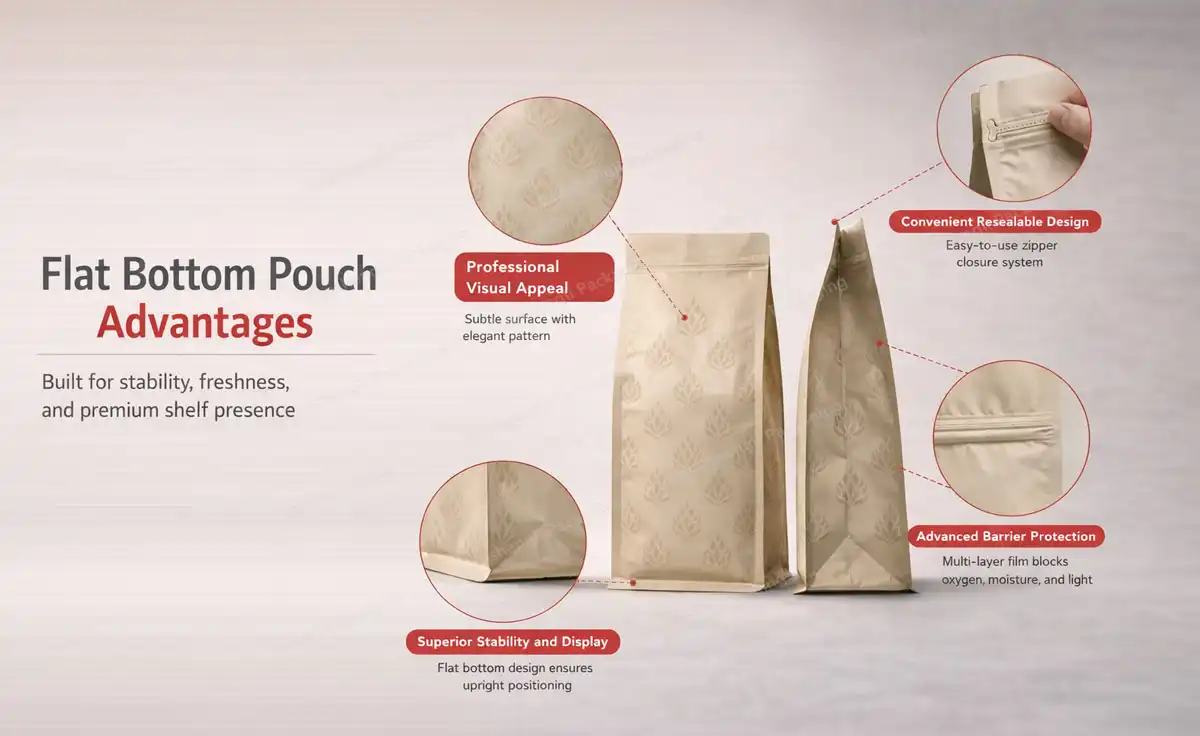
Because it is made of five panels, a flat bottom pouch is also called a box pouch. Traditional stand-up pouches only have side gussets, but flat bottom versions have a separate base piece that makes them very stable. Because of this difference in structure, your packaging can stand straight on shelves before it is even filled. The box-like shape makes the inside space as big as possible while keeping the overall size small. This makes the pouches perfect for stores where appearance is key to making a sale.
The physics behind this design includes gussets that are folded very exactly and a base that is completely flat and strong. The pouch stays in shape when it's full of 250 grams of something, like coffee beans, pet food, or protein powder. It doesn't lean or tip over. This security isn't just for looks; it comes from carefully choosing the materials and making sure the product is made correctly, which means that the filling line isn't interrupted as often and the product works the same way on different orders.
Material Compositions and Performance Characteristics
Material selection directly impacts shelf life, product security, and environmental effect. The multi-layer laminate structures used in most 250g custom flat bottom pouches are made of PET for strength, aluminium foil or metallized films for barrier protection, and PE for heat sealing. These mixtures give better protection against wetness, air, and light, which are important for keeping food fresh longer and stopping it from going bad.
Global procurement teams are giving more weight to sustainable options along with performance options. When designed correctly, structures made of a single material that can be recycled, films made of recyclable PLA, and high-barrier paper laminates are all good for the earth. But sustainability is only important if the shelf life needs are met. Working with experienced makers makes sure that the materials used are both environmentally friendly and protect the product in the real world, so that it doesn't break down too soon and cause loss and customer complaints.
Capacity and Dimensional Considerations
As a practical middle ground, the 250-gram capacity works well for many uses. It's big enough to give customers value while still being small enough to ship and store. Usually, they are between 140mm and 180mm tall and 100mm to 140mm wide, but special sizes can be made to fit the needs of certain brands and filling equipment.
Knowing the density of your product and the level of filling you want can help you figure out the best pouch dimensions. Overfilling makes it hard to finish and doesn't look good, while underfilling makes it look bad and loses material. Packaging partners with a lot of experience can give you advice on the right dimensions based on the features of your product. This makes sure that the pouches work well during automated filling processes and look good on store shelves.
Comparing 250g Flat Bottom Pouches with Other Packaging Types
Structural Advantages Over Stand-Up Pouches
Standard stand-up pouches are stable thanks to bottom gussets, but they often lean or need extra support when there isn't much room on the shelf. With its dedicated base panel, the flat bottom pouch gets rid of this problem, making a structure that looks like rigid boxes and can stand on its own. In busy stores, where every millimetre of shelf space counts, this difference becomes important.
The five-panel form also has more space for printing than the three-panel stand-up styles. There are branding possibilities on the front, back, two side panels, and bottom. These areas can hold a lot of information about the product and have images that catch people's eyes from different viewing points. This bigger space is worth the small extra cost over basic forms for high-end goods where the package communicates quality.
Side Gusset and Quad Seal Comparisons
Side gusset pouches are great for saving space but don't have the premium shelf presence of flat bottom designs. They work well for big pouches and uses that need to save money and don't need to be very stable. There are some structural similarities between quad seal pouches and flat bottom styles. However, quad seal pouches don't usually look like boxes and may not stand as strongly when they're only partly full.
Your priorities will help you decide which of these formats to use. Coffee brands often choose flat-bottom pouches because they look more expensive and keep smells out. Pet food companies might choose side flap designs because they can make more food at a lower cost. Knowing these trade-offs helps make sure that the product you choose fits with how you want to place your brand and your business's needs, instead of just following general suggestions.
Resealable and Valve Options
Structure is not the only thing that is functional. Zippers that can be resealed let people keep food fresh for more than one use, which is important for coffee, snacks, and pet treats. 250g custom flat bottom pouches can have different zipper styles, such as standard 'press-to-close' options or sliders that make the user experience better and support the premium positioning.
There are specific uses for degassing valves, like in coffee packaging where freshly roasted beans give off CO2. These one-way valves keep the package from expanding and keep oxygen from getting in from the outside, which keeps the smell inside and extends the shelf life. To choose the right functional features, you need to know about the problems your product solves and how customers usually use it, not just copy the packaging of your competitors.
Cost Dynamics and MOQ Considerations
Prices depend on the type of material, size, complexity of the print, and number of orders. Due to more steps and materials used in production, flat bottom pouches usually cost 15–30% more than basic stand-up versions. But this extra cost usually pays off in a measured way, like less wasted product, fewer stops in the filling line, and a better reputation for the brand, which supports the extra cost.
Another important thing to think about is the minimum order quantity. Digital printing can do runs as small as 5,000 to 10,000 pouches, and the lead time is only 7 to 10 days. This makes it a good way to test the market and launch new products. Rotogravure printing needs more pouches—usually at least 50,000—but it produces more consistent colours and costs less per unit for well-known pouches. Knowing how these things work helps you find the right balance between initial investment and long-term cost savings.
Key Benefits and Use Cases of 250g Custom Flat Bottom Pouches
Enhanced Branding and Shelf Impact
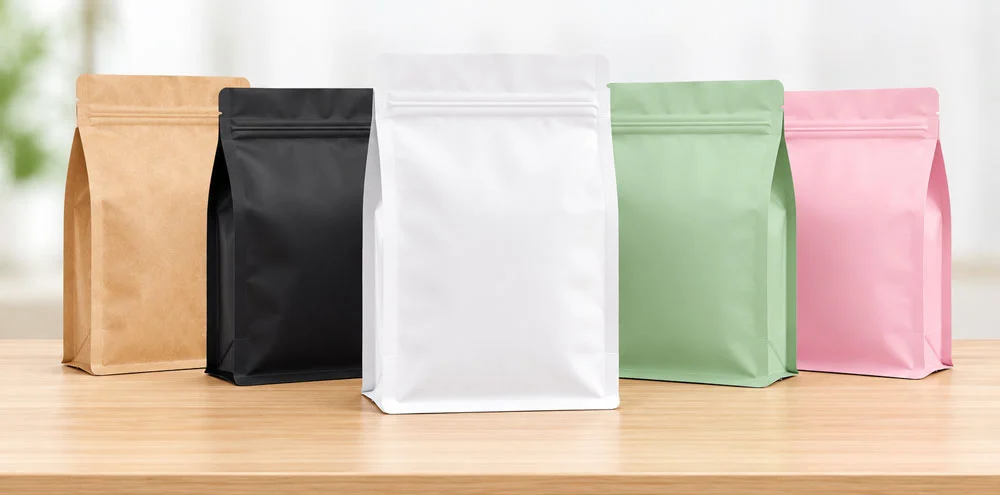
Packaging is like a quiet seller, and flat bottom pouches are great at getting people's attention in busy stores. The stable, straight position makes sure that your brand's message stays visible and doesn't get lost among rivals who are leaning or falling. There is plenty of room on the four vertical panels for interesting graphics, product stories, and regulatory information without making the page look crowded.
Working with companies that can do up to 11 colours of rotogravure printing lets you use complex designs that make your brand stand out. Matte and glossy finishes, soft-touch coatings, and metallic effects all make things feel good to the touch, which tells customers about the quality of the product before they even open the box. When your goods are up against well-known names with big marketing funds, these things matter.
Industry-Specific Applications and Performance
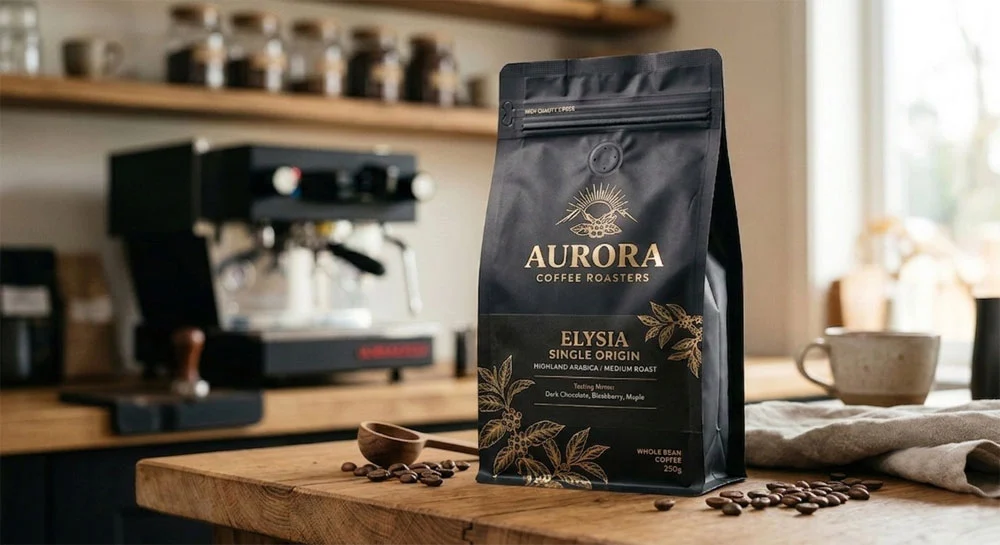
To keep the flavour and smell of coffee, the packing needs to be very good at blocking air and water. The multi-layer design of custom flat bottom pouches, along with degassing valves and reusable locks, meets these needs and gives the coffee a high-end look that supports its higher price. The 250-gram size is great for how people usually use a product at home.
Brands of pet food and treats benefit from the structural stability that keeps the package's integrity during shipping and stops spills. The easy-tear notch makes things easier for customers, and the resealable closures keep food fresh between feedings. Food-grade certification under FDA and BRC standards makes sure that pets are safe, which is one of the main reasons pet owners decide to buy something.
Protein powders, supplements, and superfood ingredients are all examples of health and wellness products that need to be able to reliably keep moisture out and keep contaminants out. Engineered flat bottom pouches have protective properties that make them last longer on the shelf. They also support clean-label branding through clear windows or simple patterns that show quality and purity.
Sustainability and Environmental Responsibility
Sustainability promises made by businesses are having a bigger impact on packaging choices. Many companies now make one-piece materials, such as 250g custom flat bottom pouch, that can be recycle-ready and keep their blocking properties thanks to new film technologies. These buildings support the ideas of a circular economy because they allow materials to be reused instead of going to landfills.
Environmental duty goes beyond the materials we choose and includes how they are made. The carbon footprint of your package supply chain is smaller when factories use Regenerative Thermal Oxidizer (RTO) technology to cut down on emissions during production. Asking for proof of environmental certifications and manufacturing practices shows that you are doing your research and helps your customers believe the sustainability messages you send them.
Operational Efficiency and Filling Line Compatibility
During production, problems with packaging that doesn't work consistently cost a lot of money. Accurate measurements make sure that custom flat bottom pouches go through automated filling equipment without getting stuck or out of place. When the seal is strong enough, it stops leaks during filling, sealing, and transport, but it's still easy for customers to open.
Working with manufacturers who have strong quality systems (backed by ISO 9001 certification and in-process inspection protocols) lowers the chance that packaging defects will stop production. Consistency from batch to batch is more important than having perfect samples, because inconsistent packaging causes ongoing operational problems that eat away at the cost savings that come from competitive pricing.
Custom Design and Printing Solutions for 250g Flat Bottom Pouches
Advanced Printing Technologies and Quality Standards
Digital printing lets you make small amounts of pouches quickly, which makes it perfect for limited editions, seasonal pouches, and testing the market. The process is flexible and produces good quality, but the colour may not be the same across large volumes. Lead times of 7 to 10 days allow for quick product launches and market plans that adapt to changing conditions.
Rotogravure printing is the best way to make sure that the colours of well-known products are exactly the same in every production run. The engraved cylinder process gives you a lot of detail and consistency. Some manufacturers even let you use up to 11 colours, which can handle complex gradients and photos. Even though there are higher setup costs and minimum order quantities, the cost savings per unit and consistent quality make the investment worth it for high-volume goods.
Design Principles for B2B Market Success
Good package design strikes a balance between how it looks and what it does. Colours are used in a smart way to draw attention to important brand messages and product benefits. Typography must be readable in a range of lighting conditions and viewing distances. This is to make sure that legal information is included while still keeping the purity of the design.
More and more, security measures are important to fight fraud and build user trust. QR codes make it possible to track goods through the supply chain and engage customers with digital content. Tamper-evident stickers and hologram elements stop people from copying them without permission. These features help protect the value of the brand and support premium placement, especially in health and fitness categories where fake goods are common.
Sealing Methods and Closure Technologies
For flat-bottom pouches, heat sealing is still the most common way. The PE layer in laminate designs is used to make effective airtight covers. Temperature, pressure, and dwell time must be optimised for your specific material structure and filling equipment in order to get the best sealing results. By offering technical support during line trials, manufacturers can avoid problems that could cost a lot of money later on in production.
Resealable zip locks make things more complicated, but they give customers a lot of value. Press-to-close zippers are simple and cheap, but slider zippers offer better functionality and should be more expensive because of it. The zipper needs to fit properly into the structure of the pouch so that the barrier properties and seal integrity stay the same after many opening and closing cycles.
How to Procure Your 250g Custom Flat Bottom Pouches Efficiently
Identifying Reliable Suppliers and Manufacturing Partners
One of the most important choices you can make about your packing plan is which supplier to use. Manufacturers who have been making flexible packaging for 25 years or more have seen material changes, regulatory changes, and technological advances. This institutional knowledge helps you spot problems early and solve them before they slow down production.
Certifications are an objective way to prove that quality systems and food safety practices work. ISO 9001 shows a mindset of process control and constant growth. BRC approval is all about making sure that food packaging is safe and that quality control is done right. FDA compliance makes sure that products meet US market rules for food interactions. Testing results from SGS are an independent way to check that barrier qualities and material safety claims are true.
Understanding MOQ and Lead Time Dynamics
Minimum order quantities have a direct effect on planning your inventory and your cash flow. Digital printing lets you print fewer pouches at a time, which is good for new products, seasonal changes, and niche markets, such as 250g custom flat bottom pouch. Rotogravure printing needs more materials, but it's more cost-effective for well-known goods that will always be in demand. For example, some manufacturers use a combination of rotogravure and digital printing to make bigger batches while still keeping smaller runs.
Lead times depend on the type of printing, the supply of materials, and the amount that can be made. Digital printing is usually done 7–10 days after the artwork is approved. Rotogravure takes 15 to 20 days because the barrel has to be prepared and set up. By planning procurement cycles around these dates, you can avoid rush orders that cost more and increase the chance of making mistakes.
Sample Approval Workflows and Quality Validation
Don't go ahead with full production runs before getting sample approval. Samples in the real world show how fabrics feel, how prints look in different lighting, and how well pouches work during filling tests. By using samples on your real filling equipment, you can find fit problems before they become production problems.
Along with samples, you should ask for material specifications and data on how well the barrier works. Tests done by a separate lab back up the claimed oxygen transmission rates, moisture vapour transmission rates, and seal strength values. This paperwork backs up shelf life studies and regulatory submissions and gives people a way to get their money back if production batches don't meet the agreed-upon standards.
Negotiating Pricing and Volume Discounts
Knowing how costs are structured helps you negotiate more effectively. Costs are mostly affected by the cost of materials, the difficulty of printing, and the number of orders. Asking for detailed quotes that break down the prices of materials, printing, and production can help you find ways to save money without lowering the quality.
When you make a volume promise, you can get deals that are worth it, but don't make too many commitments because you think sales will be good. Setting up framework agreements with graduated pricing tiers lets you plan your costs while still allowing for flexibility. Some manufacturers have inventory management tools that let you split up production into multiple packages. This lowers your need for working capital and helps you get better prices on larger orders.
Conclusion
When choosing the right 250g custom flat bottom pouches, you need to think about a lot of things, such as the structural performance, barrier qualities, branding possibilities, environmental goals, and the total cost of ownership. The 250-gram size is flexible and can be used for a wide range of things, including food, pet care, and health and fitness. It also has the right amount of space for customers and businesses to work efficiently. For your business to be successful, you need to work with experienced makers who know how to meet international quality standards, keep their production skills stable, and help your business through times of growth and changes in the market. This guide gives you the information you need to make smart choices that lower risk, keep costs down, and support the long-term success of your brand.
FAQ
1. What lead times should I expect for 250g custom flat bottom pouches?
Lead times vary by printing method and order volume. Digital printing typically requires 7-10 days after artwork approval, making it suitable for product launches and small batch needs. Rotogravure printing takes 15-20 days due to cylinder preparation but offers superior color consistency for established products. Factor in additional time for sample approval, material testing, and shipping when planning procurement cycles. Experienced manufacturers provide detailed production schedules that help coordinate packaging arrival with your filling operations.
2. Are biodegradable materials available for flat bottom pouches?
Yes, several sustainable options exist. Compostable structures utilizing PLA and PBAT films offer end-of-life benefits when properly disposed of through industrial composting facilities. Recyclable mono-material designs maintain functionality while supporting circular economy principles. Paper-based laminates with minimal plastic content appeal to brands prioritizing natural materials. However, sustainable materials must still meet shelf life requirements, so barrier testing and shelf life studies remain essential. Discuss your sustainability goals with manufacturers who can recommend validated solutions rather than unproven materials that risk product failures.
3. How do I choose between resealable and non-resealable options?
This decision depends on your product characteristics and consumer usage patterns. Resealable zippers benefit products consumed over multiple occasions—coffee, snacks, pet treats—by maintaining freshness and convenience. The feature justifies premium pricing for quality-focused consumers. Non-resealable designs reduce costs and complexity for single-use products or bulk pouches transferred to storage containers immediately after opening. Consider conducting consumer research to validate whether resealability influences purchase decisions in your category before adding the cost premium.
Partner with Guoshengli Packaging for Your Custom Flat Bottom Pouch Needs
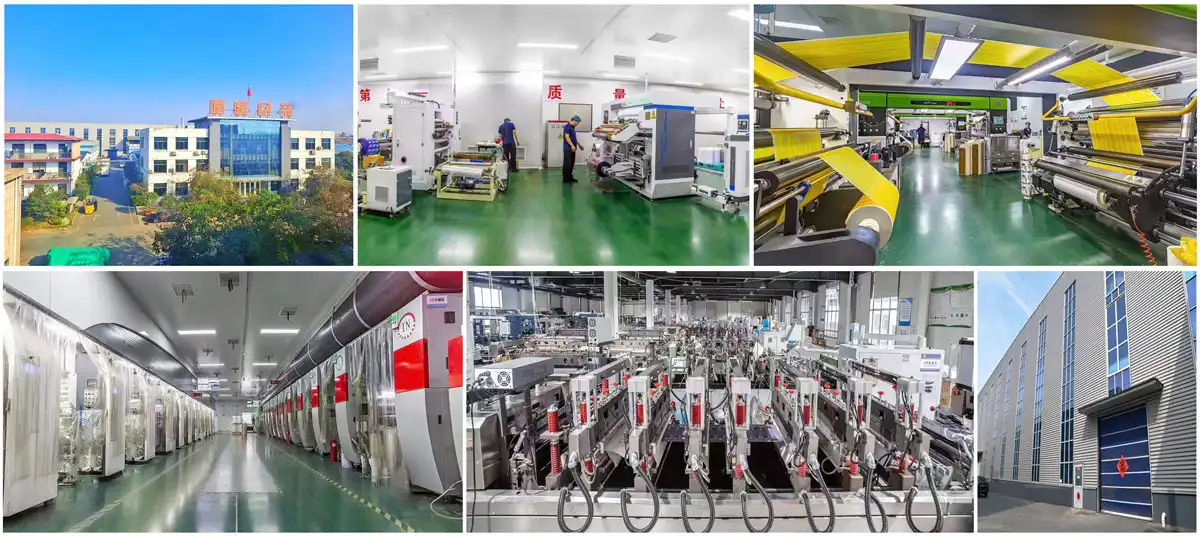
Guoshengli Packaging brings 25 years of flexible packaging expertise to your procurement strategy, specializing in 250g custom flat bottom pouch manufacturing for global markets. Our ISO 9001, BRC, and FDA-certified facility operates 7 printing machines, 6 laminating lines, and 49 converting machines, ensuring production capacity that meets demanding delivery schedules without compromising quality. We serve food brands, pet food manufacturers, health supplement companies, and beverage producers across North America, Europe, and Asia-Pacific with solutions engineered for automated filling lines and consistent repeat order performance. Choose from rotogravure printing up to 11 colors or digital printing for shorter runs, with lead times as fast as 7-10 days. Our technical team supports material selection, barrier optimization, and sustainable packaging development aligned with your corporate responsibility goals. Contact our specialists at sales@guoshengpacking.com to discuss your requirements, request samples, or receive detailed quotations. As an established 250g custom flat bottom pouch supplier, we reduce procurement risk through proven manufacturing capabilities and transparent communication that supports long-term partnerships.
References
1. Robertson, G.L. (2024). Food Packaging: Principles and Practice (5th ed.). CRC Press.
2. Marsh, K. & Bugusu, B. (2023). "Flexible Packaging Materials and Sustainability in Food Systems." Journal of Food Science and Technology, 60(4), 1245-1258.
3. Soroka, W. (2025). Fundamentals of Packaging Technology (7th ed.). Institute of Packaging Professionals.
4. Singh, P., Wani, A.A., & Langowski, H.C. (2024). "Barrier Properties and Material Selection in Flexible Packaging for Extended Shelf Life." Packaging Technology and Science, 37(2), 89-104.
5. Emblem, A. & Emblem, H. (2023). Packaging Technology: Fundamentals, Materials and Processes (3rd ed.). Woodhead Publishing.
6. Yam, K.L. (2024). The Wiley Encyclopedia of Packaging Technology (4th ed.). John Wiley & Sons.